







































Updated July 16, 2026

Inland Marine Insurance in Little Rock
Pulaski County supports 12,229 business establishments. That density raises the odds a landlord, GC, or project owner asks for proof of coverage on mobile property before a job starts. If you are shopping for inland marine insurance in Little Rock, the local difference is not the definition of the coverage. It is the pace and density of handoffs: tools moving between offices and job sites, diagnostic equipment that travels to client locations, or stock sitting briefly in a van while schedules shift. In a market this active, a vague equipment schedule can slow down a contract review or leave a gap when property is away from your main address. You usually want the quote built around what actually travels, where it is kept between stops, and who has custody during delivery, setup, or service calls. Before you request terms, line up a current equipment list, replacement values, and the addresses where property is most likely to be loaded, unloaded, or stored overnight.
Inland Marine Insurance Risk Factors in Little Rock
Local movement and temporary staging are the real pressure points here. In a compact metro workday, property may leave your main location in the morning, sit at a customer site through the afternoon, and spend the night in a vehicle, trailer, or borrowed storage space before the next stop. That pattern matters because inland marine claims often turn on where the item was, who controlled it, and whether the scheduled description matches what actually traveled. Arkansas weather risk is already addressed on the state page, so the city layer is more practical: review how often equipment is left unattended between appointments, whether materials are dropped at one address and installed later, and whether employees use personal vehicles for transport. If your operation depends on fast rescheduling, ask whether your form is better suited to **named items, broader classes of property, or a mix of both**. The goal is to match the policy to your real chain of custody, not just your mailing address.
Arkansas has a high climate risk rating. Top hazards: Tornado (Very High), Severe Storm (High), Flooding (High), Ice Storm (Moderate). The state's expected annual loss from natural hazards is $920M, which influences inland marine insurance premiums and may affect coverage availability in high-risk areas.
What Inland Marine Insurance Covers
In Arkansas, this coverage is designed for business property that is mobile, in transit, or stored away from your primary location, rather than equipment sitting permanently at one address. That means tools, job-site equipment, building materials, and goods being transported between locations can be insured under one policy form that follows the property to a customer site, a temporary storage unit, or a project location. For Arkansas businesses, that flexibility matters because high winds and heavy rain can affect a job trailer, a construction laydown area, or materials staged before installation.
The main coverages in this product are tools and equipment, goods in transit, contractors equipment, installation floater, and builders risk. Because coverage requirements differ by industry and operation size, it pays to request quotes from several carriers and compare what each one actually schedules. A policy may respond differently depending on whether the item is owned, rented, being installed, or temporarily stored, so read the exclusions and endorsements carefully rather than relying on the product name alone.
The Arkansas Insurance Department regulates the market, but the state does not set one universal inland marine form for every business. That means exclusions, scheduled items, and coverage extensions can vary by carrier. If your property routinely moves between counties, the policy should be checked for off-premises protection, job-site exposure, and any installation-related terms before you bind coverage.
Coverage Included
Tools & Equipment
Can help repair or replace hand tools, power tools, and gear that are stolen or damaged on the job or in transit.
Goods in Transit
May cover products, materials, and merchandise while they are being shipped or hauled between locations in your care.
Contractors Equipment
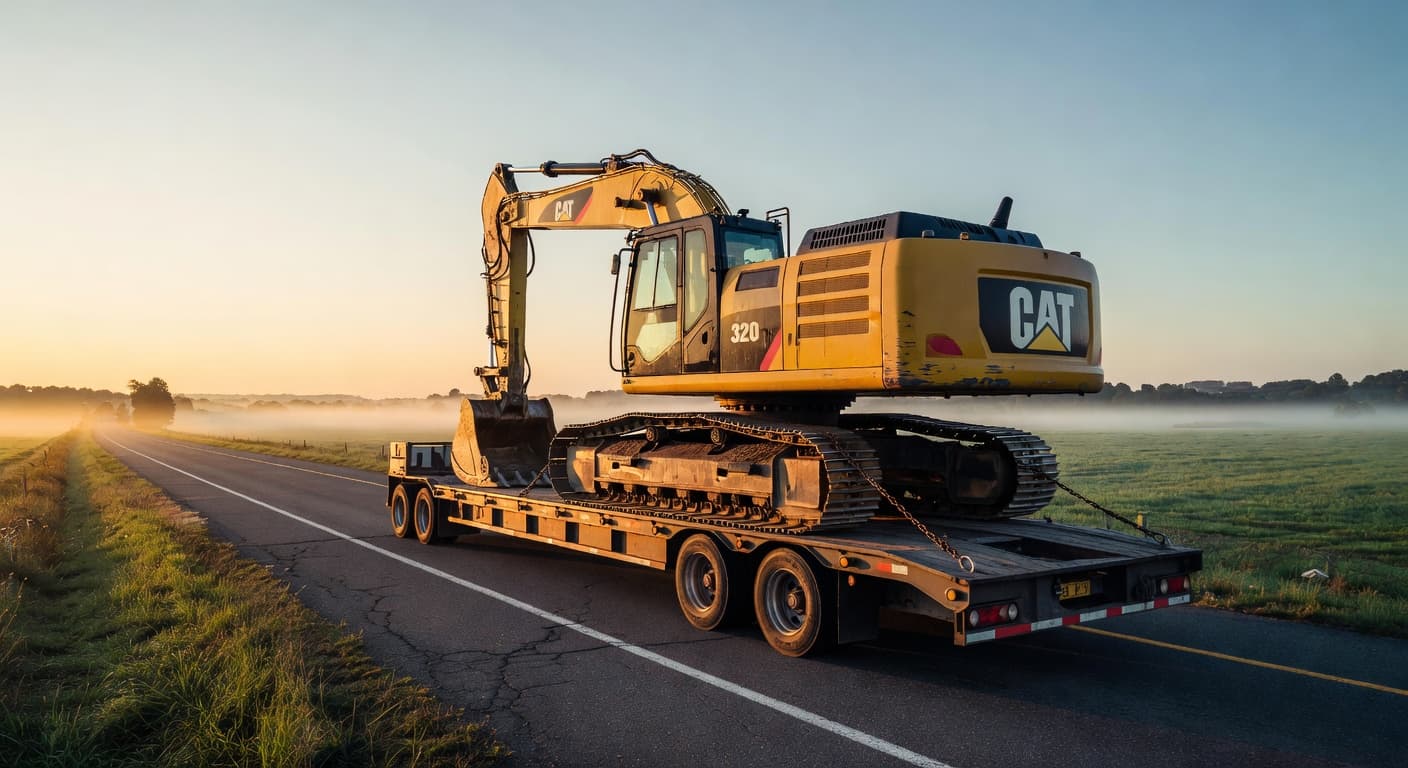
Typically covers heavy machinery like excavators, loaders, and generators against theft or damage at job sites and between them.
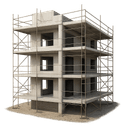
Installation Floater
Can help cover materials and fixtures from the moment you buy them until they are installed and accepted at a project.
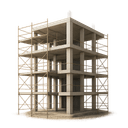
Builders Risk
May cover a structure under construction, along with materials on site, against damage from fire, wind, theft, and vandalism.
Inland Marine Insurance Cost in Little Rock
Average Cost in Arkansas
$20 - $100
per month
Businesses in Arkansas typically see inland marine insurance premiums of $20 - $100 per month, which tends to run close to the national range of $20 - $100 per month.
- Total insured value of the scheduled property
- Type and age of the equipment
- Where it is stored and how far it travels
- Jobsite security and theft prevention
- Per-item limits and deductibles
- Prior theft and in-transit losses
Contact CPK Insurance for a personalized quote.
Prices shown are general estimates, not guaranteed rates or quotes. Your actual premium will depend on the insurer, coverage selected, business details, location, claims history, and other underwriting factors. Learn about our pricing methodology.
The average premium range for this coverage in Arkansas starts at about $20 to $100 per month, depending on limits, deductibles, endorsements, and the type of property insured. The state's premium index of 91 is a benchmark insurers use to compare state-level pricing, and a score below 100 suggests you may pay below the national average, though inland marine pricing still varies by risk profile, especially for equipment that travels frequently or is stored in higher-exposure locations.
Several Arkansas-specific factors can push pricing up or down. Storm exposure is a major one because the state's overall climate risk rating is high, and severe weather losses can affect how carriers view mobile property and job-site storage. Location also matters because a policy for equipment moving through dense urban areas, rural job sites, or counties with higher theft exposure may price differently. Claims history is another important factor, along with coverage limits, deductibles, and policy endorsements.
Arkansas has 280 active insurance companies competing for business in the broader market. That many carriers means you can often find differentiated terms, endorsements, and pricing if you shop across several providers. For a small business in Arkansas, the final premium will also reflect whether you need tools and equipment coverage, contractors equipment insurance, or goods in transit coverage as a standalone policy or part of a package.
Industries & Insurance Needs in Little Rock
Pulaski County's business mix changes who most often needs this coverage and how schedules should be described. Retail trade accounts for 13.8% of establishments, health care and social assistance 13.1%, and professional, scientific, and technical services 12.6%, so a lot of local businesses move property that is valuable, portable, and used away from a single fixed premises. That can mean display stock and point of sale equipment in transit, mobile diagnostic or service gear going to patient or client locations, or specialized instruments and electronics traveling between offices and field appointments. For those operations, the buying question is less about whether property moves at all and more about how often, by whom, and under what storage conditions. When you ask for a quote, separate inventory for sale from tools and equipment you use to perform work, then note any items that travel daily, any property kept in vehicles, and any equipment borrowed, rented, or carried to third party sites.
What Makes Little Rock Different
The exposure here comes from movement between addresses, temporary custody, and short term storage. In a smaller market, you might get by with a rough list of tools and a single operating address. Here, that approach is more likely to break down when a customer asks for certificates, a lease limits overnight storage, or a loss happens while property is off premises but not yet installed. Walk through the property that moves, who handles it, and which items would be hardest to replace without interrupting revenue.
Our Recommendation for Little Rock
Start with the property that would disrupt work fastest if it were stolen, damaged, or delayed in transit. For some businesses, that means a small set of high value instruments. Others carry a broad class of tools, materials, or electronics that move every day. If your team serves clients across offices, homes, or commercial sites, ask for wording that matches those routine stops instead of assuming your commercial property policy follows the equipment automatically. Pulaski County's leading sectors include retail trade, health care and social assistance, and professional, scientific, and technical services. In practical terms, that means a scanner, testing device, laptop, or display unit may need different treatment depending on whether it is inventory, leased equipment, or a tool of the trade. Before binding, review valuation, deductible fit, any unattended vehicle concerns, and whether newly acquired items are handled in a way that matches how fast you add or rotate equipment.
Get Inland Marine Insurance in Little Rock
Enter your ZIP code to compare inland marine insurance rates from carriers in Little Rock, AR.
Business insurance starting at $25/mo
FAQ
Frequently Asked Questions
Little Rock buyers usually need a closer look when property leaves the main premises regularly. Retail trade, health care and social assistance, and professional, scientific, and technical services make up large shares of local establishments. The result is that portable stock, instruments, and service equipment are common exposures here.
Pulaski County businesses often move quickly between contracts, deliveries, and site access. A detailed schedule helps your quote match the property in transit, the storage points along the way, and the items that would interrupt work if they were lost.
Little Rock claims involving overnight vehicle storage often depend on policy terms and how the property is described. If tools, materials, or electronics stay in vans or trailers between jobs, ask specifically how off premises and unattended situations are handled.
Little Rock service businesses often need it even without a traditional job site. Mobile diagnostic gear, laptops, testing devices, and specialized instruments can create the same away from premises exposure that contractors face with tools and materials.
Little Rock quote requests go more smoothly when you bring an itemized equipment list, replacement values, and notes on how property moves between locations. If cash flow is a concern, start with the items that would halt a job or a client visit if they disappeared tomorrow.
It may help cover tools, equipment, materials, and other mobile business property while they are in transit, at job sites, or in temporary storage in Arkansas, subject to your policy's scheduled items and terms.
If your property regularly goes to job sites, customer locations, or temporary storage in Arkansas, this coverage can fill the gap left by a fixed-location commercial property policy. Occasional movement still creates exposure that a standard property policy may not address.
Arkansas's high severe-storm and tornado exposure can influence pricing and carrier underwriting, especially when tools, materials, or equipment are stored at job sites or in temporary locations. Carriers may adjust terms or charge more for property that sits in higher-risk areas during storm season.
Sources
- 1.U.S. Census Bureau, County Business Patterns, Pulaski County(Pulaski County supports 12,229 business establishments, so buyers, landlords, and project partners often expect tighter documentation around mobile property before work starts, equipment is delivered, or materials are staged off site.; Pulaski County's business mix changes who most often needs this coverage and how schedules should be described. Retail trade accounts for 13.8% of establishments, health care and social assistance 13.1%, and professional, scientific, and technical services 12.6%, so a lot of local businesses move property that is valuable, portable, and used away from a single fixed premises.)
Updated July 16, 2026





