







































Updated July 10, 2026

Why Aerobics Instructor Businesses Need Insurance
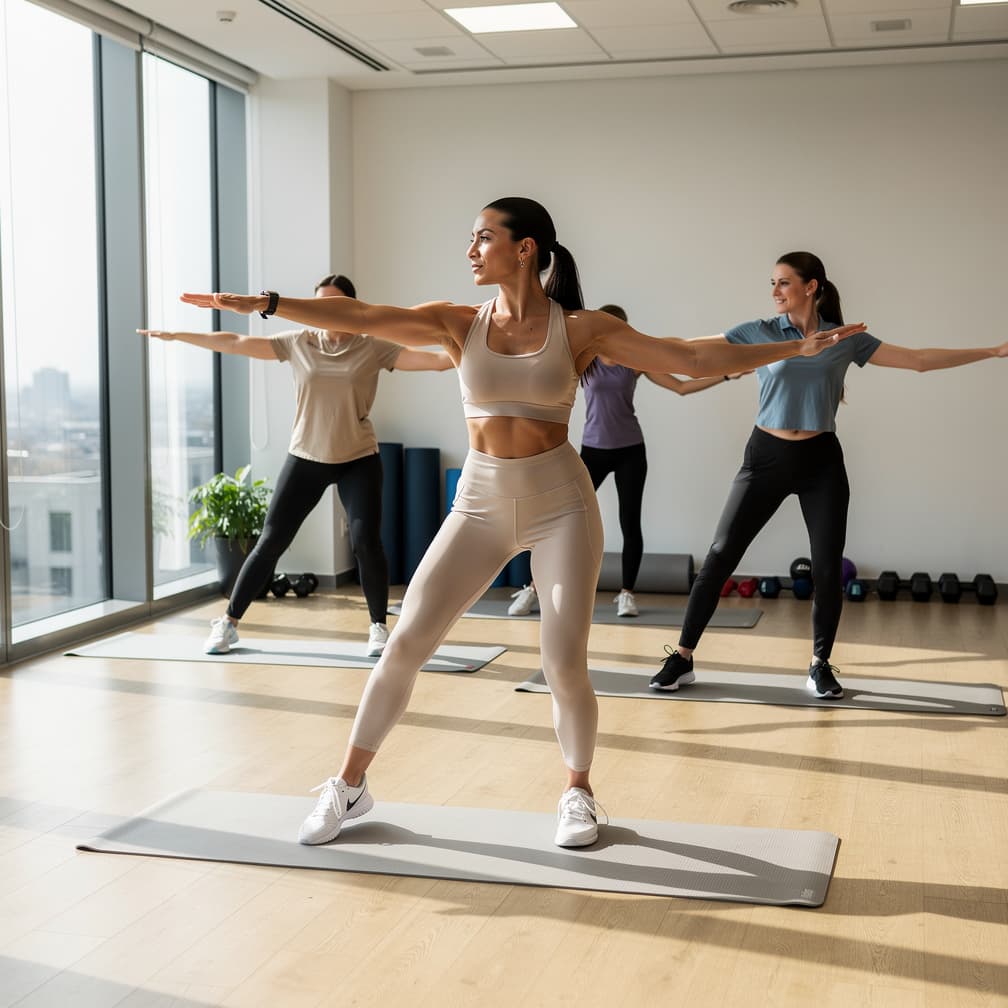
Most aerobics instructors do not face one single exposure. You may teach a morning class at a health club, cover an evening session at a community center, run a weekend bootcamp in a park, and stream a virtual class from home. Each setting changes the claim picture. The floor surface, participant mix, pace of movement, use of props, music setup, and who maintains the premises all affect what should be reviewed before you bind coverage.
General liability insurance is often the starting point because many venues ask for proof before they put you on the schedule. That policy addresses third-party bodily injury and property damage claims tied to your operations. If a participant says they slipped entering your class area, or you damage a rented room while setting up equipment, this is the coverage many instructors look at first. It also matters for contract compliance, because facility managers often want certificates issued correctly and on time.
Professional liability insurance becomes important when the allegation focuses on your coaching judgment. Aerobics classes move quickly. You demonstrate combinations, cue tempo changes, suggest modifications, and monitor form across a group with different fitness levels. If someone claims your instruction was unsafe, your progression was too advanced, or you failed to offer appropriate modifications, the issue may fall closer to professional liability than general liability. Instructors who market specialized formats, high-intensity sessions, or one-on-one coaching usually need to review this carefully.
A business owners policy can make sense if your operation is more than occasional contract teaching. Once you advertise under your own business name, manage recurring classes, collect client payments, and keep business equipment, packaging core business coverages together may be more practical than handling each need separately. It is especially relevant if you lease a small studio space, share a training room, or keep inventory and records tied to your instruction business.
Commercial property insurance is more situational, but it matters when your equipment is essential to earning income. Aerobics instructors often rely on portable speakers, microphones, mats, steps, resistance tools, storage racks, and branded teaching materials. If you own those items, you should review where they are stored, how often they travel, and whether your policy terms fit equipment that moves between locations. A property discussion is also useful if you have signage, furnishings, or other business personal property at a fixed site.
The underwriting conversation usually turns on how you actually teach. Carriers may ask about class formats, participant age groups, whether you provide hands-on correction, how often you teach, whether you use subcontractors, and whether you operate from a home office or rented space. Cost is typically shaped by those operating details, along with limits, deductibles, claims history, and the number of locations involved.
Before buying, read your venue agreements closely. Some contracts ask for specific liability limits, additional insured status, or primary and noncontributory wording. Others shift responsibility for the premises back to the facility while expecting you to insure your instruction. Those details affect how you compare quotes. Bring every contract, certificate request, and class description into the review so the policy you choose matches the way your aerobics business runs day to day.
Recommended Coverage for Aerobics Instructor Businesses
Based on the risks aerobics instructor businesses face, these coverage types are essential:

General Liability
Essential coverage for every business, protect against third-party bodily injury, property damage, and advertising claims.

Professional Liability
Protect your business from claims of negligence, errors, and omissions in your professional services.

Business Owners Policy
Bundle property and liability coverage into one convenient, cost-effective policy for small businesses.

Commercial Property
Safeguard your business property, equipment, and inventory against damage and loss.
Common Risks for Aerobics Instructor Businesses
- A participant slips during a high-energy routine and makes a third-party claim for bodily injury.
- A client says your cueing or exercise modifications caused a strain, leading to a professional errors claim.
- A studio or gym asks for proof of coverage before it will put you on the class schedule.
- A student’s personal item is damaged during a crowded class, creating a property damage dispute.
- A venue alleges your class setup caused a slip and fall in a shared lobby, hallway, or workout area.
- Portable speakers, mats, or props are stolen, vandalized, or damaged while you teach at multiple locations.
Get Your Aerobics Instructor Insurance Quote
Compare rates from multiple carriers. Free quotes, no obligation.
What Happens Without Proper Coverage?
Group exercise produces a specific kind of claim: fast movement, mixed ability levels, and a participant who says a cue reached them late or not at all. A twisted knee in a directional change or an injury blamed on a progression that outpaced the back row can become an allegation about your teaching, and defending your class plan takes records, time, and money even when you did everything right.
Access is the more mundane pressure. Facilities that host independent instructors typically want acceptable proof of insurance before the first class, and each location can demand different certificate wording. Instructors who rotate among several venues lose real teaching dates when paperwork stalls, which is why the certificate process deserves as much attention as the premium.
The business case sharpens as you grow. Adding outdoor sessions, in-home training, virtual classes, or assistant instructors changes your exposure faster than an annual renewal notices, and when income depends on portable class equipment, a theft or a broken speaker is a canceled class rather than an inconvenience. Line up your contracts, class formats, equipment list, and teaching locations, then request a quote built around those details.
Insurance Tips for Aerobics Instructor Owners
Review general liability and professional liability together, because a participant's injury allegation may turn on both the class environment and the way you instructed the movement.
Ask every venue for its insurance requirements before you accept the class slot, so you can confirm certificate wording and additional insured requests without delaying your start date.
List each place you teach, including parks, homes, rented rooms, and virtual setups, because off-site and multi-location work can change how your operations should be described.
If you own speakers, mats, steps, resistance tools, or storage equipment, prepare a current equipment list so commercial property needs can be reviewed accurately.
Compare policy limits against your venue contracts and your class intensity, especially if you teach high-energy formats with rapid transitions and mixed participant ability levels.
Spell out whether you teach one-on-one sessions, group classes, or both, because supervision patterns and instruction allegations can differ between those formats.
Revisit your policy when you move from contractor teaching to operating under your own business name, since a business owners policy may fit the broader operation better.
How Much Does Aerobics Instructor Insurance Cost?
Aerobics Instructor Insurance is a bundle of separate policies, priced separately. The ranges below are typical figures nationally for each line; a quote prices each one against your own operations.
| Coverage | Typical range | What moves your price |
|---|---|---|
| General Liability Insurance | $45 - $130 per month | Industry and risk classification, annual revenue, number of employees |
| Professional Liability Insurance | $30 - $110 per month | The services you actually perform, annual revenue or billed fees, limit and retention selected |
| Business Owners Policy Insurance | $50 - $160 per month | Annual revenue and industry class, building and contents values, square footage and building age |
| Commercial Property Insurance | $35 - $110 per month | Building value and construction type, roof age and condition, fire protection class |
Prices shown are general estimates, not guaranteed rates or quotes. Your actual premium will depend on the insurer, coverage selected, business details, location, claims history, and other underwriting factors. Learn about our pricing methodology.
FAQ
Frequently Asked Questions About Aerobics Instructor Insurance
Aerobics instructors often need to review both. General liability is commonly requested by venues for bodily injury or property damage claims tied to class operations, while professional liability addresses allegations that your instruction, supervision, or exercise progressions caused the participant's harm.
Gyms and studios often ask independent aerobics instructors for proof of insurance before putting them on the schedule. The request may include a certificate, specific liability limits, or additional insured wording, so you should collect those requirements before your first class is booked.
The framing of the claim decides which policy responds. A fall tied to the class setup may point toward general liability, while an allegation about unsafe cueing, poor supervision, or inappropriate modifications may call for professional liability review.
Yes, coverage still deserves review for parks, client homes, and virtual settings. The location changes who controls the premises, how incidents happen, and how your policy terms apply to off-site instruction and business equipment.
Consider one when the operation includes recurring classes, client payments, business equipment, and a branded fitness business. It can be a practical way to review core business exposures together instead of treating every need separately.
Equipment can be part of the property discussion if you own business gear such as mats, speakers, steps, or resistance tools. Review where the equipment is stored, how often it travels, and whether commercial property terms fit mobile teaching operations.
Start with venue contracts, then compare those requirements against class intensity, participant volume, and the number of places you teach. Bring every contract and certificate request into the quote review so the limits match real operating demands.
Yes, one policy can often be arranged around a multi-location schedule, but it needs to describe the operation accurately. Disclose every venue type you use so certificates, liability review, and property considerations line up with your actual teaching pattern.
Updated March 31, 2026