







































Updated July 10, 2026

Why Pilates Studio Businesses Need Insurance
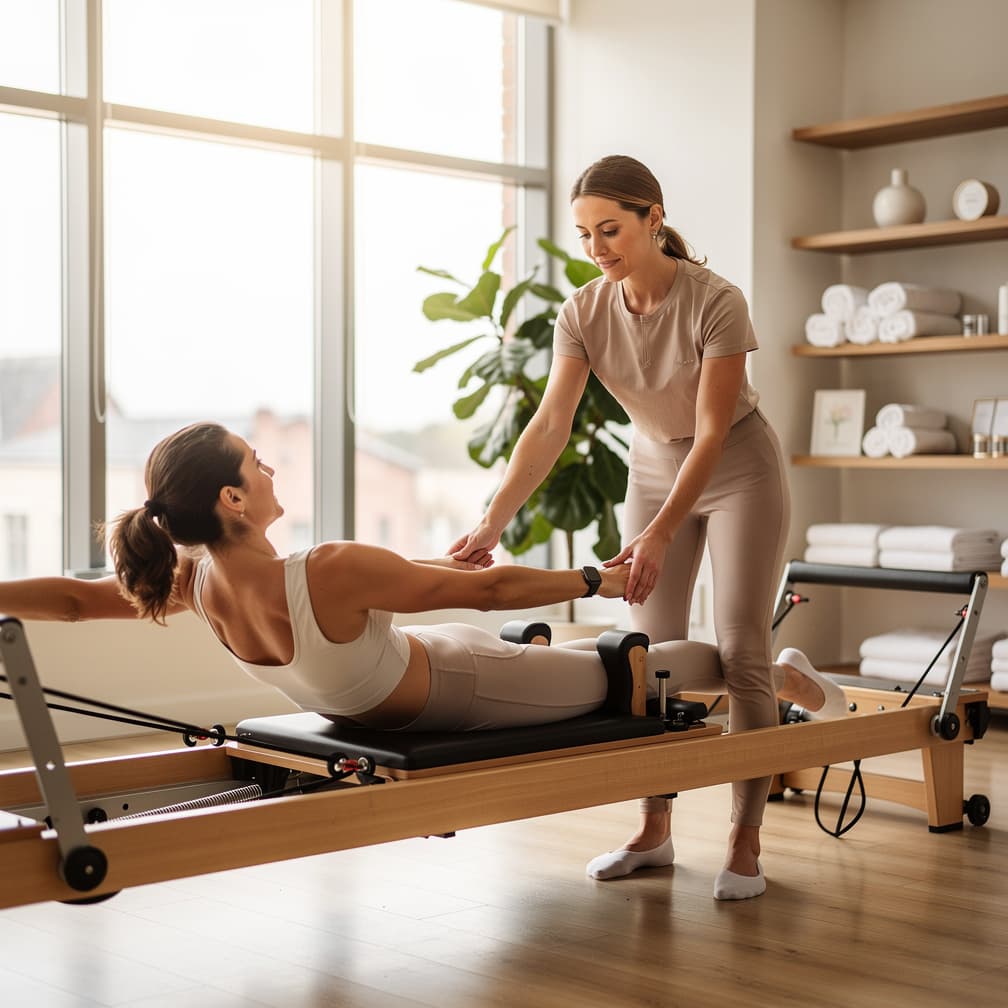
Pilates studios look simple from the lobby, but the insurance review is more operational than many owners expect. Your exposure is not just that people exercise in the space. It is that they move through guided instruction on specialized apparatus, often with close physical coaching, repeated visits, and a mix of private and group formats. A useful pilates studio insurance quote should separate those moving parts and then bring them back together in a policy structure that fits the business.
General liability insurance forms the first layer because the studio has ordinary premises exposure every day. Clients enter from parking lots or common hallways, check in at the desk, move around reformers and mats, and handle personal items in a shared environment. If someone alleges they slipped on a recently cleaned floor, tripped near equipment, or had property damaged while on site, that claim path is different from a complaint about the instruction itself. Your quote should reflect how clients circulate through the studio, whether classes turn over quickly, and whether the layout creates tight walkways around apparatus.
Professional liability insurance addresses the teaching side of the business. Pilates instruction is hands on, technique driven, and often individualized even in a group setting. Cueing, progression, modifications, and supervision all matter. A client may later argue that an exercise choice, a missed contraindication, or an inadequate modification contributed to strain or injury. That is why owners carry professional liability alongside general liability instead of treating them as interchangeable. If your studio offers private sessions, post rehabilitation style programming within your scope, beginner onboarding, or advanced reformer work, those details should be described clearly during quoting.
Property coverage becomes more important as soon as you look around the room and price what it would take to reopen after a loss. Reformers, towers, chairs, barrels, mats, props, mirrors, flooring, reception furniture, computers, and sound systems are all part of the operation. Commercial property insurance can help when covered damage affects the equipment and contents you own. A business owners policy may make sense when you want liability and property packaged in one form, but the fit depends on the studio setup, the value of your business personal property, and whether you lease or own the space.
The lease drives the next set of decisions. Landlords may require proof of liability coverage, specific limits, or additional insured wording before move in or renewal. If you have invested in tenant improvements such as flooring, wall treatments, changing areas, or built in storage, ask how those improvements are treated under the policy. If your studio shares a building with other retail or wellness tenants, review who is responsible for what after water damage, smoke, or a shutdown that interrupts classes.
Staffing also changes the risk profile. A studio with owner instructors only is different from one that uses several teachers with varied schedules and specialties. You should be ready to explain whether instructors are employees or independent contractors, whether they bring their own clients, and whether your contracts require them to carry their own liability coverage. The answer affects how an underwriter views supervision, documentation, and the way services are delivered under your brand.
The best quote process is practical. Map your class types, list your apparatus and other studio property, review your lease obligations, and pull your instructor agreements before you compare options. That gives you a cleaner conversation about limits, deductibles, and whether a business owners policy or separate policies better fit the way your pilates studio actually operates.
Recommended Coverage for Pilates Studio Businesses
Based on the risks pilates studio businesses face, these coverage types are essential:

General Liability
Essential coverage for every business, protect against third-party bodily injury, property damage, and advertising claims.

Professional Liability
Protect your business from claims of negligence, errors, and omissions in your professional services.

Commercial Property
Safeguard your business property, equipment, and inventory against damage and loss.

Business Owners Policy
Bundle property and liability coverage into one convenient, cost-effective policy for small businesses.
Common Risks for Pilates Studio Businesses
- Student injury during a reformer class or private session
- A client claim tied to an instructor cue, adjustment, or program recommendation
- Slip and fall incidents in the reception area, studio floor, or changing space
- Damage to reformers, mirrors, flooring, or other studio equipment
- Fire, theft, storm damage, or vandalism affecting the studio space
- Lease or contract requirements for proof of liability coverage and property limits
Get Your Pilates Studio Insurance Quote
Compare rates from multiple carriers. Free quotes, no obligation.
What Happens Without Proper Coverage?
Pilates studios face claims that come from both the space and the instruction, and those are not the same problem. A client can be injured while entering the studio, moving around equipment, or waiting for class to start. A different client may say the issue came from the session itself, such as an exercise progression, a missed modification, or supervision that did not match their condition or experience level. If you only review one side of that exposure, you can end up with a policy that does not match how the claim is framed.
The equipment investment is another reason owners look beyond a basic liability purchase. Reformers and other apparatus are central to revenue, scheduling, and client retention. If covered property damage affects the room, the mirrors, the flooring, or the equipment needed for booked sessions, the problem is not just repair cost. It is canceled classes, disrupted instructors, and clients who may not wait for you to reopen. That is why property protection belongs in the conversation from the start instead of after the first loss.
Contracts also push the decision. A landlord may ask for proof of coverage before keys are released, before a renewal is signed, or before you can begin tenant improvements. Some owners also need to show coverage to management companies, partner locations, or event hosts before teaching off site workshops or pop up sessions. If your quote is not built around the actual named insured, location, and operations, you may end up revising documents at the last minute while a lease or event date is already moving.
Growth makes the review more important, not less. Adding instructors, expanding from mat classes into reformer programming, taking a larger suite, or opening a second location changes the property values, the supervision pattern, and the way clients use the space. The policy you bought when you were teaching a limited schedule in a small room may not fit a fuller calendar with more apparatus and more people on site.
Before you buy, walk through a normal week and identify where clients enter, how they are coached, what equipment you own, and what your lease requires. Then ask for a quote that matches those operations, with limits and property values reviewed against the way your studio actually runs.
Insurance Tips for Pilates Studio Owners
Review general liability insurance and professional liability insurance together, because a client complaint about the premises is handled differently from an allegation that your instruction, cueing, or supervision caused harm.
Build an equipment schedule before quoting, including reformers, chairs, barrels, mats, mirrors, front desk technology, and sound equipment, so commercial property insurance reflects what you would actually need to replace after a covered loss.
Compare a business owners policy against separate liability and property policies if you lease a studio with meaningful tenant improvements, because packaging is not always the cleanest fit for every layout or property value.
Ask how your quote treats private sessions, group reformer classes, intro packages, and workshops, since each format changes supervision, client flow, and the way an injury allegation may be described.
Review instructor agreements before binding coverage, especially if you use independent contractors, because your contracts and insurance structure should align on who is teaching under your brand and who carries separate liability protection.
Use your lease as part of the insurance application process, so required limits, additional insured requests, and responsibility for improvements or interior buildout are addressed before a landlord asks for updated proof of coverage.
Revisit property values after adding apparatus or renovating the space, because an older estimate can leave your studio underinsured when replacement costs rise or the room becomes more specialized.
Document client intake, health disclosures, and session notes in a consistent way, because clear records can matter when a complaint focuses on modifications, contraindications, or what happened during instruction.
How Much Does Pilates Studio Insurance Cost?
Pilates Studio Insurance is a bundle of separate policies, priced separately. The ranges below are typical figures nationally for each line; a quote prices each one against your own operations.
| Coverage | Typical range | What moves your price |
|---|---|---|
| General Liability Insurance | $50 - $150 per month | Industry and risk classification, annual revenue, number of employees |
| Professional Liability Insurance | $40 - $140 per month | The services you actually perform, annual revenue or billed fees, limit and retention selected |
| Commercial Property Insurance | $60 - $200 per month | Building value and construction type, roof age and condition, fire protection class |
| Business Owners Policy Insurance | $75 - $220 per month | Annual revenue and industry class, building and contents values, square footage and building age |
Prices shown are general estimates, not guaranteed rates or quotes. Your actual premium will depend on the insurer, coverage selected, business details, location, claims history, and other underwriting factors. Learn about our pricing methodology.
FAQ
Frequently Asked Questions About Pilates Studio Insurance
Start with general liability and professional liability together, since studio claims split between premises incidents and instruction complaints. Owners with reformers, buildout, and front desk technology then add commercial property coverage or fold everything into a business owners policy.
Yes, if you cue, correct, and progress clients, because complaints in this trade tend to target the teaching: an exercise choice, a missed contraindication, or a modification a client says should have been made. Premises coverage does not answer those allegations.
It addresses the premises side, such as a fall near equipment or in the reception area, subject to policy terms. An injury blamed on the instruction itself is a different claim path, which is why studios carry both forms rather than relying on one.
Packaging suits studios with a straightforward lease and typical property values; separate policies earn their keep when tenant improvements, apparatus values, or landlord requirements need tailored limits. Run both structures against your actual numbers before deciding.
Owned apparatus can be scheduled under commercial property coverage or the property section of a business owners policy, depending on the form. An itemized equipment list with replacement values keeps the limits honest, since reformers are costly to replace quickly.
Often, yes, and the studio's contracts should say so explicitly. Underwriters and claim adjusters both ask who was teaching, under whose brand, and with what coverage, so instructor agreements and the studio policy need to tell the same story.
Almost certainly. Expect requirements for liability limits, certificates before move in, and sometimes additional insured wording for the property owner. Handle the named insured and location details correctly up front to avoid re-issuing documents at renewal.
Describe the operation in specifics: class formats, instructor arrangements, lease obligations, and a complete equipment list. The quote can only be as accurate as the application, and vague answers get priced like a generic fitness studio instead of your actual room.
Updated March 31, 2026