







































Updated July 10, 2026

Why Window & Door Installer Businesses Need Insurance
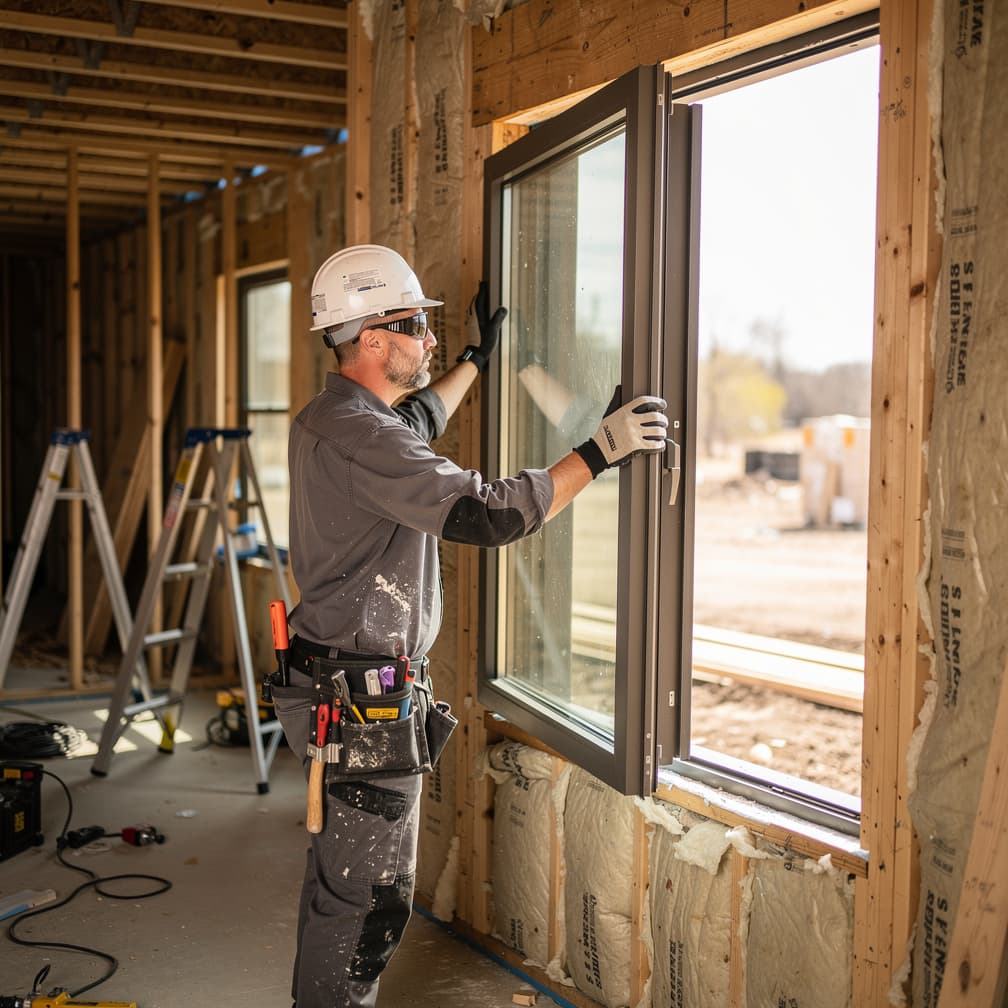
Most window and door installation businesses move through several risk points on every job, and each one can affect how your insurance should be reviewed. The work usually begins with field measurements, ordering, transport, unloading, staging, removal of existing units, installation, sealing, hardware adjustment, cleanup, and return visits for punch work. A problem at any step can turn into a third party claim, a backcharge, or a dispute over who caused the damage.
General liability insurance is usually the foundation because your work regularly puts crews in contact with customer property and the public. If a staged unit tips and damages flooring, if debris contributes to a slip and fall, or if an installation issue leads to water intrusion that damages surrounding finishes, that policy is often the first place to review how third party property damage and bodily injury claims are handled. It is also where many businesses look at legal defense and settlement exposure tied to completed operations, especially when a complaint surfaces after the crew has left the site.
Workers compensation insurance becomes central once you have employees handling glass, frames, and entry systems. Installers lift awkward loads, work from ladders, use cutting and fastening tools, and move through occupied homes, retail spaces, and active construction areas. That creates injury exposure during carrying, setting, removal, and cleanup. If your crew size changes by season or by project type, your payroll and class setup should be reviewed carefully so the quote matches the labor you actually put in the field.
Commercial auto insurance matters because this trade depends on moving people, tools, and fragile materials between locations. A van loaded with replacement windows does not present the same exposure as a personal errand vehicle. You may have units extending the stopping distance, tools stored overnight, or multiple drivers heading to separate jobsites. If you use owned vehicles, hired vehicles, or employee vehicles for business tasks, bring that operating detail into the quote process so vehicle use is not glossed over.
Inland marine insurance is often the missing piece for installers who assume property coverage follows tools and materials automatically. In this trade, equipment and supplies are mobile by default. Saws, drills, ladders, laser levels, sealants, and staged hardware move from truck to truck and site to site. Some materials may sit temporarily at a job before installation. If theft, breakage, or accidental damage would interrupt your schedule or force you to replace essential gear quickly, inland marine insurance deserves a close look.
The strongest quote process usually starts with a practical worksheet. List your main job types, whether you do residential replacement, storefront work, new construction, or a mix. Note who performs installation, who drives, what vehicles carry, where tools stay overnight, and whether you use subcontractors. Then compare policy terms with your contracts in hand. Limits should make sense for the properties you work on, deductibles should fit your cash flow, and exclusions should be read with your actual installation methods in mind.
Recommended Coverage for Window & Door Installer Businesses
Based on the risks window & door installer businesses face, these coverage types are essential:

General Liability
Essential coverage for every business, protect against third-party bodily injury, property damage, and advertising claims.

Workers Compensation
Help cover your employees' medical expenses and lost wages for work-related injuries and illnesses.

Commercial Auto
Protect your business vehicles and drivers with comprehensive commercial auto coverage.

Inland Marine
Protect tools, equipment, and goods in transit or stored at locations away from your primary premises.
Common Risks for Window & Door Installer Businesses
- Glass breakage during handling, loading, or set-in place on replacement window and door jobs
- Customer property damage to trim, flooring, siding, drywall, or finished interiors during installation
- Slip and fall incidents around open work areas, ladders, tools, and debris at residential and commercial jobs
- Vehicle-related losses involving service vans, trailers, or trucks used to move crews, frames, and glass
- Tool and equipment loss, theft, or damage while stored in a vehicle, trailer, or jobsite staging area
- Crew injuries from lifting, cutting, carrying, or installing heavy windows, doors, and storefront glass
Get Your Window & Door Installer Insurance Quote
Compare rates from multiple carriers. Free quotes, no obligation.
What Happens Without Proper Coverage?
Window and door installation creates losses that are easy to underestimate because the work often looks routine from the outside. In practice, you are moving fragile, high value components through finished spaces and active jobsites, then relying on precise fit, fastening, and sealing to perform after the crew leaves. A small mistake can spread into a larger claim quickly.
One common scenario starts during delivery or staging. A unit slips while being carried, glass breaks, or a frame strikes a wall, floor, or fixture. The immediate damage may be obvious, but the real cost can include cleanup, replacement materials, schedule disruption, and a dispute with the customer or general contractor over who pays. General liability insurance is usually the first policy in play for those third party property damage situations, along with the legal defense costs that can follow if the claim escalates.
Another scenario shows up after installation. A poor seal, missed flashing detail, or hardware issue may not be noticed until water enters, air leaks develop, or the opening does not operate correctly. At that point, the complaint can involve surrounding finishes, customer inconvenience, and pressure to return to the site on someone else’s timeline. That is why completed operations exposure deserves attention when you compare policy terms.
Injury risk is also built into the trade. Installers carry heavy and awkward units, remove old materials, work from ladders, and use power tools in tight spaces. If an employee is hurt while lifting, cutting, or setting a unit, workers compensation insurance is often a core part of keeping the business from absorbing those costs directly. The same review matters if a customer, tenant, or passerby is injured by debris, cords, tools, or staged materials.
Vehicles add another layer. Your business depends on getting crews, tools, and materials to the site on time, often with repeated stops in a single day. If a business use accident happens on the way to a job or while transporting units, commercial auto insurance may be the policy that responds, not a personal auto policy.
You may also need insurance because contracts, property managers, builders, and commercial clients often ask for proof of coverage before work starts. Even on smaller residential jobs, having the right policies reviewed can help you bid with more confidence, take on better projects, and avoid finding out after a loss that a key part of your operation was never properly discussed.
Insurance Tips for Window & Door Installer Owners
Break out your job mix before you request a quote, because residential replacement, storefront glass work, and new construction installs create different third party damage and completed operations concerns.
Review general liability insurance against the properties you enter and the contracts you sign, especially if one water intrusion claim could involve flooring, drywall, trim, and customer downtime.
Match workers compensation insurance to the labor you actually use in the field, including employees who lift units, remove old materials, climb ladders, and handle cleanup.
Go over every vehicle used for business tasks, because hauling glass, frames, hardware, tools, and crews creates a different exposure than occasional personal driving.
Ask how inland marine insurance treats tools and mobile equipment that stay in trucks, move between jobsites, or are temporarily staged before installation begins.
If you use subcontractors for overflow labor or specialty installs, review that setup during quoting so responsibility for jobsite damage and injury is not left unclear.
Compare deductibles with your cash flow, because a lower premium does not help much if a realistic claim would leave you carrying too much out of pocket.
Bring sample contracts to the quote review so you can compare requested limits, additional insured language, and proof of coverage requirements before work is awarded.
How Much Does Window & Door Installer Insurance Cost?
Window & Door Installer Insurance is a bundle of separate policies, priced separately. The ranges below are typical figures nationally for each line, except workers compensation, which is rated per $100 of payroll; a quote prices each one against your own operations.
| Coverage | Typical range | What moves your price |
|---|---|---|
| General Liability Insurance | $150 - $460 per month | Industry and risk classification, annual revenue, number of employees |
| Workers Compensation Insurance | $0.75 - $2.74 per $100 of payroll | Employee classification codes, total annual payroll, experience modification rate |
| Commercial Auto Insurance | $200 - $600 per month | Fleet size and vehicle types, driver records and experience, coverage limits and deductibles |
| Inland Marine Insurance | $35 - $130 per month | Total insured value of the scheduled property, type and age of the equipment, where it is stored and how far it travels |
Prices shown are general estimates, not guaranteed rates or quotes. Your actual premium will depend on the insurer, coverage selected, business details, location, claims history, and other underwriting factors. Learn about our pricing methodology.
FAQ
Frequently Asked Questions About Window & Door Installer Insurance
Window and door installers usually start with general liability insurance, then review workers compensation insurance, commercial auto insurance, and inland marine insurance based on crew size, vehicle use, and how often tools and materials move between jobsites.
That is the core territory of general liability: third party property damage and bodily injury claims, such as damage to flooring, walls, fixtures, or customer areas during delivery, staging, removal, or installation. Policy terms decide how a specific loss is treated, so match the coverage to how your crews actually handle units.
Window installers often use vans or trucks to move crews, tools, glass, frames, and hardware between suppliers and jobsites. Commercial auto insurance is worth reviewing because business driving and loaded vehicles create exposures that personal auto coverage may not address well.
Tools and mobile equipment in this trade move from site to site, and some materials sit staged before installation. Inland marine is the policy built for property that does not stay at one fixed location, so it deserves a look if that describes your gear.
Payroll and field duties drive it. If your employees lift units, work from ladders, remove existing materials, or use power tools, describe those duties accurately so the classification matches the labor you actually put in the field.
A mixed operation can usually be quoted, but the details matter. Residential replacement work, storefront glass projects, and new construction installs create different claim patterns, so your quote should reflect the actual share of work you perform in each segment.
Before you request a quote, gather your job mix, payroll details, vehicle information, tool inventory approach, subcontractor setup, and sample contracts. That makes it easier to compare limits, deductibles, and exclusions against the way your business actually operates.
Updated March 31, 2026