







































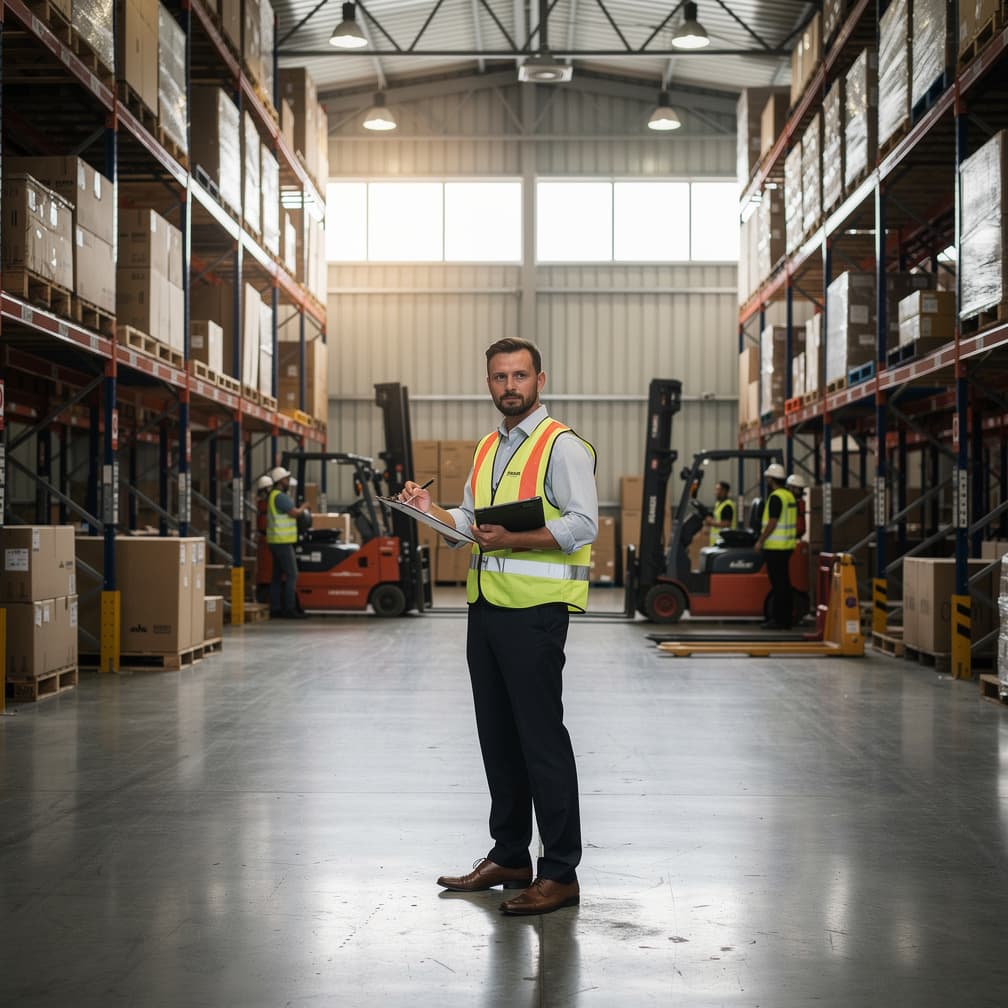

As a freight broker in Berkeley, you sign agreements that make you answerable for a carrier you do not employ and cannot supervise. That promise is the exposure, and it appears on no equipment list. Freight broker insurance in Berkeley exists to sit between the promise and a customer's demand letter. Most disputes start with a document: a rate confirmation that said one thing, a bill of lading that said another. Professional Liability is generally the line aimed at that kind of argument, and its limit is what a shipper's schedule usually names. Your quote will ask for revenue, load counts, and how you vet carriers. Gather those three before you ask anyone for a number.
What Makes Berkeley Different
Deep markets change who holds leverage in a contract, and it is rarely the broker holding the pen. Alameda County has about 42,000 businesses, so a shipper that dislikes your terms has somewhere else to send the freight tomorrow. That pressure shows up as higher required limits, tighter notice clauses, and less patience for a certificate that arrives late. None of it is personal, and none of it is negotiable once the schedule is standardized across their vendors. Buying to the toughest schedule in your book is cheaper than losing the account that pays for the office. A dense market also means more parties can end up on one claim: shipper, carrier, warehouse, and a factor. Each of them has counsel and each of them reads your agreement differently. Limits that looked generous with two parties look thin with four.
Local Risk Factors in Berkeley
Before fire season, agree on how your desk handles a route closure and who is allowed to make the call. Wildfire in California can strand freight for days, and the rebooking that follows happens fast and badly documented. Impostors work those weeks deliberately, sending payment changes that look ordinary while everyone is chasing trucks. Commercial Crime is the line usually named when a transfer leaves on a false instruction, subject to what verification existed. The callback rule is worth more in a crisis than in a calm month. A Berkeley brokerage that keeps its rule through the smoke keeps its money.
What Coverage Does a Freight Broker in Berkeley Need?
General Liability
Landlords and shipper schedules ask for this line first, and it is the one least connected to freight. General Liability is aimed at ordinary third-party trouble around the brokerage: a visitor who falls at your office, damage you cause at someone else's premises, an advertising injury claim. It typically does nothing for a cargo dispute or a booking error.
Example: A courier drops off paperwork, slips on a wet floor in your office lobby, and needs surgery on a wrist. The demand that follows is the kind of claim this line may take up.
Professional Liability
A misrouted shipment, a documentation error, or a carrier chosen in a hurry can turn into a client demand that has nothing to do with property. That argument is what Professional Liability, sometimes written as freight broker E&O, is meant to address. It generally excludes intentional acts and disputes about your own fees.
Example: Your team books a load to the wrong receiving door, the freight sits two days, and the produce inside is refused. The customer's claim for the lost value could fall to this line.
Cyber Liability
Shipment records, customer contacts, and payment instructions all sit in a brokerage's email and systems, which is exactly what gets stolen. Cyber Liability is intended to fund the response when that data is exposed: forensic work, notification costs, and the legal questions that follow. Money taken by fraud is usually a different line's problem.
Example: An employee opens an attachment from what looks like a carrier packet, and a week later shipment files appear on a leak site. The notification and forensic bill might land here.
Commercial Crime
Money is the target in this trade far more often than cargo. Commercial Crime is built around theft of funds: a forged payment instruction, an employee moving cash, an impostor posing as a carrier your desk already knows. Conditions about verification and approval usually apply, so a Berkeley brokerage should read them before a transfer goes out.
Example: A carrier you have used for years emails new bank details, the settlement goes out, and the real company calls two weeks later asking for its money. Whether this line responds can depend on what was verified.
How Much Does Freight Broker Insurance Cost in Berkeley?
Freight Broker Insurance is a bundle of separate policies, priced separately. The ranges below are typical figures for Berkeley for each line; a quote prices each one against your own operations.
| Coverage | Typical range | What moves your price |
|---|---|---|
| General Liability Insurance | $65 - $170 per month | Industry and risk classification, annual revenue, number of employees |
| Professional Liability Insurance | $140 - $450 per month | The services you actually perform, annual revenue or billed fees, limit and retention selected |
| Cyber Liability Insurance | $65 - $230 per month | Records held and how sensitive they are, annual revenue and industry, multi-factor authentication and backup practices |
| Commercial Crime Insurance | $35 - $140 per month | Employees who handle money or inventory, internal controls and separation of duties, funds and securities on hand |
Prices shown are general estimates, not guaranteed rates or quotes. Your actual premium will depend on the insurer, coverage selected, business details, location, claims history, and other underwriting factors. Learn about our pricing methodology.
What Are the Insurance Requirements for a Freight Broker in Berkeley?
Workers' comp is generally required once you have your first employee. California generally requires employers to carry workers' compensation at that point. Common exemptions include sole proprietors and some partners. Confirm current thresholds with your state's workers' compensation agency before you hire.
Where to verify licensing and coverage rules. The California Department of Insurance publishes consumer guidance and current insurance requirements for California businesses. When a contract or lease demands specific wording, the California Department of Insurance's guidance is the authoritative place to check.
Get Your Freight Broker Quote in Berkeley
Compare rates from multiple carriers. Free quotes, no obligation.
Operating in Berkeley
- Carrier certificates expire quietly, and a Berkeley broker who filed one without a reminder finds out during a claim that the truck was uninsured that week.
- Your team makes carrier selection decisions in minutes, and the file that records what was checked is the only version of that minute anyone can review later.
- A shipper in Alameda County that pauses freight over an insurance dispute takes its next quarter with it, which is why speed of resolution matters more than a small discount.
- Booked revenue is the number underwriters use, and brokerages routinely quote last year's figure out of habit, which distorts every comparison they then make.
How to Buy: Advice for Berkeley Owners
Uncovered losses are the reason to buy, so start by listing the ones you could not absorb. A cargo claim the carrier's limit does not finish is first on most brokerage lists, and it arrives as a customer demand. A wire sent on a forged instruction is second, and it is not a freight problem at all. Commercial Crime is the line usually pointed at that money, subject to conditions about verification you should read before you need them. Cyber Liability generally handles the response when records are exposed rather than the funds themselves, and the two often get confused. Confirm the details with the California Department of Insurance if a policy summary leaves you guessing. Then ask participating carriers to quote both lines together, since a broker in Berkeley is exposed to both from the same inbox.
FAQ
Freight Broker Insurance in Berkeley: FAQ
A funds transfer sent on a forged instruction is usually a crime question rather than a technology one. Commercial Crime is the line commonly named for that loss, subject to conditions about who approved the change and what verification existed. Many policies expect dual approval and a callback to a known number. Read those conditions before the money moves, not after.
They answer different halves of the same bad week. Cyber Liability generally funds the response when shipment records or customer details are exposed: forensics, notification, and the questions that follow. Commercial Crime is aimed at the money itself when it leaves on a false instruction. Brokerages often need both, because one inbox can produce both losses at once.
The first contract usually decides it, not the load count. One shipper agreement with an insurance schedule creates the obligation, and a single disputed shipment can outrun a year of margin. Volume changes the price rather than the need. If you are booking freight for somebody else's account, the exposure already exists.
Expect questions about booked revenue, number of loads, the commodities you handle, and whether you ever take custody of freight. Applications also probe process: how you confirm carrier authority, how you verify insurance, and who can approve a payment change. Claim history matters, including open files. Participating carriers in California weight those answers differently, so a spread between quotes is normal.
A certificate shows limits on the day it printed, and the policy behind it can change afterwards. That is why shippers ask for notice of cancellation and why the wording on the certificate has to match the agreement. Treat certificates you collect from carriers with the same doubt. A stale certificate in a file answers nothing during a claim.
Usually not on its own. A pure delay is a contract question, and the answer sits in the force majeure language you agreed to. Where insurance can matter is the error made during the scramble: the wrong carrier, the wrong address, a missed instruction. Professional Liability is the line those arguments typically land on. Keep dispatch notes from a disrupted week, because they become the record.
Sources
- 1.U.S. Census Bureau, County Business Patterns (2022), Alameda County(Alameda County has about 42,000 business establishments.)
- 2.California Department of Insurance(California Department of Insurance publishes consumer guidance for insurance buyers.)


