







































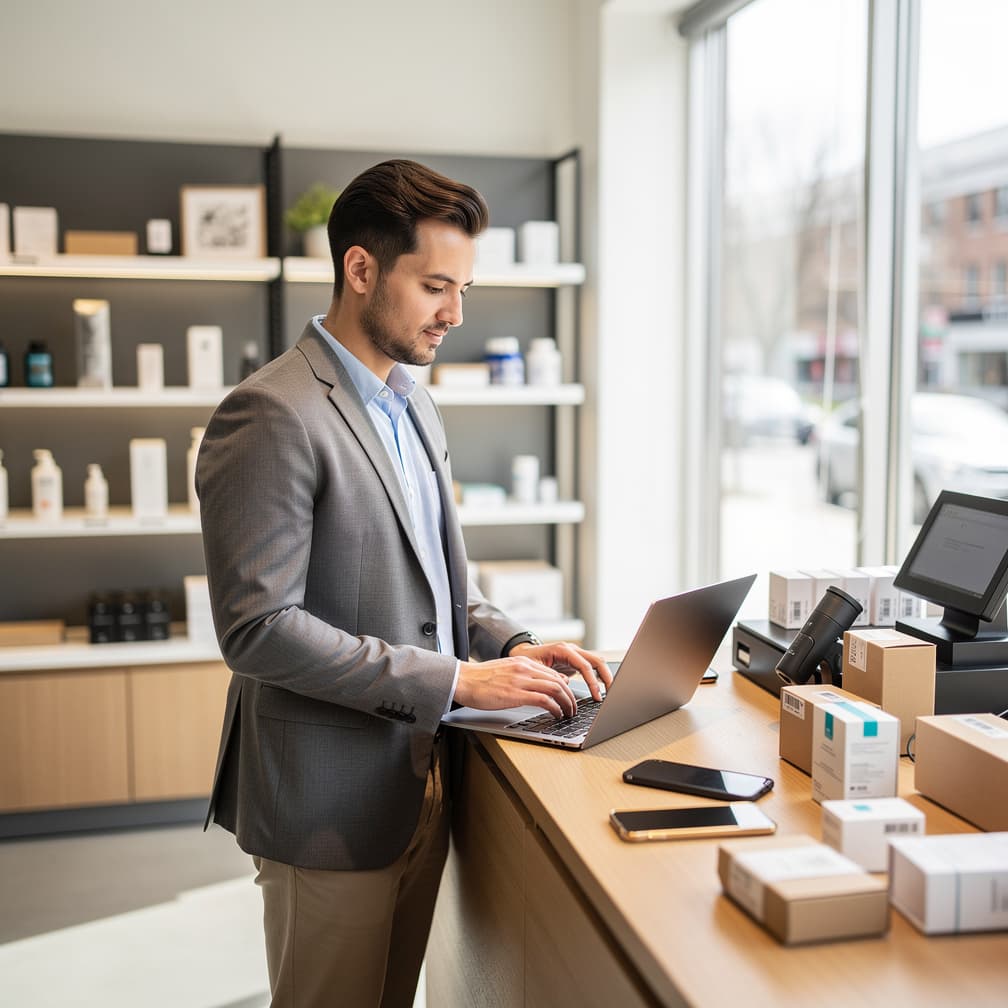

As an e-commerce business in Fremont, you hold two kinds of inventory: the physical kind in a storage bay and the digital kind in a customer database. Both can be taken, and only one of them is insured by instinct. E-commerce business insurance in Fremont is really a set of answers to that pair, plus the plainer risks of a slip in a leased unit or a scanner dying at peak. Product complaints are the exposure sellers underrate most, because someone else designed and built the item and the claim still arrives with your name on it. Credentials, payment records, and order histories carry their own duty the moment they are stolen. Category, limits, and deductibles matter far more than the brand printed on the declarations page.
What Makes Fremont Different
Higher limits are the cost driver nobody chooses, because a contract chooses them on your behalf. Doubling a required limit does not double a premium, though it does move it, and the move compounds across every line you carry. Metro counterparties tend to ask for more, since their own lenders and auditors asked them for more first. A seller in Fremont can end up buying to the tallest requirement any single partner ever named. That number then applies to everything, including the accounts that would have accepted far less. There is no partial version: one policy, one limit, every customer at once. The honest question is which line the tall limit belongs on, because raising all of them together is the expensive way. Ask participating carriers in California to price the requirement separately from what you would buy unprompted.
Local Risk Factors in Fremont
A closed road is the same as a closed warehouse when every order needs a human to pack it. Orders queue, buyers ask questions, and the marketplace measures your response time without asking why. Civil authority provisions exist for exactly that, though they usually run short, key off damage to a nearby property, and start only after a waiting period. Nothing in that wording promises a payout for a slow week; it addresses a defined interruption and no more. Ask each California quote to show you the civil authority clause and the waiting period in plain terms, then decide whether a second packing option outside Fremont is the cheaper answer.
What Coverage Does an E-Commerce Business in Fremont Need?
General Liability
A buyer who says your product cut, burned, or wrecked something sues the name on the listing, and this is the line built for that allegation. It generally addresses bodily injury and property damage claims brought by other people, including the cost of defending them. Contract disputes, chargebacks, and damage to your own stock typically sit outside it.
Example: A shopper says a lamp from your store overheated and scorched a desk, then sends a demand letter naming the seller; General Liability with products wording included is generally the line that takes the argument from there.
Cyber Liability
Stored card activity, shipping addresses, and saved logins make an online seller a target worth an attacker's effort. Cyber Liability commonly speaks to breach notification, forensic work, legal costs, and income lost while systems are down. Money moved by someone tricked into a wire transfer is often carved out and sold back as an optional sublimit, so ask.
Example: A reused password lets someone into the order system overnight, and thousands of customer records walk out with it; a Cyber Liability form may pick up the notification duties and the forensic bill.
Commercial Property
Landlords ask for it, and stock asks for it louder. The coverage typically applies to inventory, packing equipment, and fixtures at the address you schedule, against events like fire, theft, and sudden water. Flood is a standard exclusion and gets priced on its own, while goods resting at a partner's facility usually need different wording.
Example: A pipe lets go above a storage rack in Fremont and soaks a season of stock overnight; Commercial Property can help cover the ruined inventory and the cleanup that follows it.
Tools & Equipment (Inland Marine)
Property forms stop at the walls, which is a problem when your inventory spends half its life in a truck or on somebody else's shelf. Inland Marine is the wording that follows goods, laptops, scanners, and label printers off site and in transit. Wear, mechanical breakdown, and flood are typically excluded from it.
Example: A pallet tips in a shipping terminal and half the run is crushed before it reaches a single buyer; Inland Marine wording could answer for goods in transit, subject to the terms.
How Much Does E-Commerce Business Insurance Cost in Fremont?
E-Commerce Business Insurance is a bundle of separate policies, priced separately. The ranges below are typical figures for Fremont for each line; a quote prices each one against your own operations.
| Coverage | Typical range | What moves your price |
|---|---|---|
| General Liability Insurance | $70 - $230 per month | Industry and risk classification, annual revenue, number of employees |
| Cyber Liability Insurance | $85 - $270 per month | Records held and how sensitive they are, annual revenue and industry, multi-factor authentication and backup practices |
| Commercial Property Insurance | $110 - $370 per month | Building value and construction type, roof age and condition, fire protection class |
| Inland Marine Insurance | $35 - $120 per month | Total insured value of the scheduled property, type and age of the equipment, where it is stored and how far it travels |
Prices shown are general estimates, not guaranteed rates or quotes. Your actual premium will depend on the insurer, coverage selected, business details, location, claims history, and other underwriting factors. Learn about our pricing methodology.
What Are the Insurance Requirements for an E-Commerce Business in Fremont?
Workers' comp is generally required once you have your first employee. California generally requires employers to carry workers' compensation at that point. Common exemptions include sole proprietors and some partners. Confirm current thresholds with your state's workers' compensation agency before you hire.
Flood damage is typically excluded from standard policies. Standard commercial property and builders-risk-type policies typically exclude flood damage. Flood exposure varies address by address, so check your premises in FEMA's Flood Map Service Center before deciding; if you sit in a mapped flood zone, a separate policy through the National Flood Insurance Program is the usual starting point.
Where to verify licensing and coverage rules. The California Department of Insurance publishes consumer guidance and current insurance requirements for California businesses. When a contract or lease demands specific wording, the California Department of Insurance's guidance is the authoritative place to check.
Get Your E-Commerce Business Quote in Fremont
Compare rates from multiple carriers. Free quotes, no obligation.
Operating in Fremont
- Equipment that looks trivial stops everything: a dead label printer means nothing ships, and nothing shipping means a refund clock running on orders you already took money for.
- Stock at peak can be worth double the off-season figure, and a claim settles on the value at the moment of loss rather than on the number you gave at renewal.
- Suppliers change without notice, and a factory swap upstream can hand a seller in Fremont a product with a different injury history than the one an underwriter priced.
- Couriers, delivery drivers, and gig pickups come and go from your space all week, which is one reason a landlord in Fremont can ask about your liability limits before renewing.
How to Buy: Advice for Fremont Owners
Your supplier's insurance is not your insurance, and that distinction bites hardest in this trade. A factory overseas can be judgment-proof, unreachable, or simply uninsured, while the listing has your name on it. General Liability with product coverage included is the line that tends to answer when a buyer says an item hurt them. Ask whether products and completed operations sit inside the limit or have been excluded, since a cheap quote sometimes earns its price exactly there. If a supplier does carry coverage, get named as an additional insured on it and keep the endorsement rather than a promise. That courtesy runs both directions, and a wholesale buyer in Fremont may ask you for the same thing. Commercial Property has no role in the argument at all, because nothing of yours broke. Check the California Department of Insurance's guidance before deciding how much product risk you can push upstream, then compare what participating carriers charge for the version that keeps products inside the limit.
FAQ
E-Commerce Business Insurance in Fremont: FAQ
Per-occurrence is the most a policy might pay for one incident, while the aggregate is the ceiling for the entire policy year. That distinction matters more for an online seller than for most trades, because one bad batch can produce many claims from a single mistake. Twenty buyers with the same complaint draw on one annual figure, and the figure does not refill when it empties.
Only when the trigger fits. Many interruption provisions require direct physical damage to your own property, and an outage at a utility across town supplies none of that. Utility interruption wording exists and generally has to be requested by name. Waiting periods matter as well, since terms that begin after seventy-two hours stay quiet about the short stoppages that actually cost orders.
Mechanical failure and ordinary wear are typically excluded from property forms, which contemplate sudden events rather than aging equipment. Equipment breakdown coverage is the piece usually added for a dead router, a fried label printer, or a packing line that quits at peak. Ask whether it is included or optional on your quote, because a stopped line costs orders long before it costs hardware.
It happens, and it is one reason this trade prices unlike a storefront. A buyer can generally file where the harm occurred, so an order packed in Fremont may become a claim two time zones away. Defense costs start accruing before anyone decides who was right. Ask whether defense sits inside or outside your limit, since carriers in California treat that term differently.
No, and it is worth knowing early. Refunds, chargebacks, and a bruised seller rating are trading costs rather than insurable losses, however much they sting. Policies respond to damage, theft, injury, and defined incidents, not to a buyer changing their mind. The exception is a return that arrives with an injury allegation attached, which turns a refund conversation into a liability claim.
No universal answer exists, because the requirement usually arrives inside a contract rather than a rulebook. A storage landlord, a fulfillment partner, or a wholesale account can each make coverage a condition of doing business with you. The exposure sits underneath the paperwork anyway: a buyer who says your product injured them names the seller first, and a home address is no defense against that.
Sources
- 1.California Department of Insurance(California Department of Insurance publishes consumer guidance for insurance buyers.)
- 2.FEMA / FloodSmart(Flood coverage is typically purchased separately; FEMA administers the National Flood Insurance Program.)


