








































Updated July 5, 2026

Garage Keepers Insurance in Fresno
Your shop here may handle a different mix of vehicles in the same week: commuter cars dropped off before work, family SUVs left through parts delays, and light commercial units that need to get back on the road fast. That operating pattern is why garage keepers insurance in Fresno deserves a closer review of where customer vehicles sit, how long they stay, and whether overflow ever ends up outside the main service area. If you lease a small bay property, share access with other tenants, or move vehicles between a front lot and a rear fenced area, those details can change how an underwriter reads your exposure. Customer budgets matter too. Many owners delay noncritical repairs or pick up later than planned, so vehicles can remain in your care longer than the original work order suggests. Review key control, after-hours storage, and any practice of holding vehicles pending payment or parts arrival. A quote works better when it matches your actual intake, parking, and release routine, not just the services you advertise.
Garage Keepers Insurance Risk Factors in Fresno
Fresno's top risk factors include Wildfire risk, Drought conditions, Power shutoffs, and Air quality events.
California has a very high climate risk rating. Top hazards: Wildfire (Very High), Earthquake (Very High), Drought (High), Flooding (High). The state's expected annual loss from natural hazards is $9.8B, which influences garage keepers insurance premiums and may affect coverage availability in high-risk areas.
What Garage Keepers Insurance Covers
The practical review point is how your policy responds when a customer's vehicle is damaged while it is parked on your lot, stored inside your building, waiting for parts, lined up for service, or being moved by your staff as part of normal operations. In this state, that review often gets more specific because storage conditions vary sharply. A coastal operation may worry about corrosion and open lot exposure, while an inland yard may focus on heat, dust, and how closely vehicles are parked during busy weeks.
You should ask for a line by line explanation of the coverage basis offered, the deductible that applies, and any conditions tied to indoor versus outdoor storage. Your business may keep vehicles overnight, use sublet vendors, or have employees who road test and park units off site. Each of those steps should be disclosed during quoting rather than argued after a claim. Ask where responsibility shifts when a vehicle leaves your premises and when it returns, and make sure movement between buildings is part of the conversation.
Documentation discipline matters here too. A claim is easier to sort out when your intake photos, check in forms, key logs, and lot maps show exactly where the vehicle was kept and who last handled it. The state's insurance regulator expects policy language, claims handling, and producer representations to be clear. That means you should look for policy documents that spell out what is and is not included in plain terms, ask your producer to confirm any ambiguous clauses in writing, and hold off binding until the coverage description matches your actual daily workflow.
Coverage Included
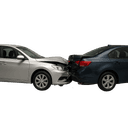
Collision Coverage
Covers damage to customers' vehicles from collisions while in your care.

Comprehensive Coverage
Covers theft, vandalism, fire, and weather damage to customers' vehicles.
Specified Perils
Covers only specifically named perils at a lower premium.

Legal Liability
Covers damage you or your employees directly cause to a customer's vehicle.

Direct Primary
Pays regardless of fault, the broadest garage keepers coverage available.
Industries & Insurance Needs in Fresno
County business density is the local demand signal worth watching. Fresno County has 18,920 business establishments, so many repair and service operations are competing for the same customer base while also handling vendor vehicles, employee cars, and small commercial units tied to nearby businesses. That matters because a garage keepers review should account for the mix of personal and business-use vehicles on your lot, especially if you service work vans or cars needed for daily operations. The county's leading sectors are health care and social assistance at 14.2%, retail trade at 12.7%, and accommodation and food services at 9.8%, so you may see customers who cannot leave a vehicle down for long and push for quick turnaround or after-hours pickup. Ask for terms to be reviewed around temporary custody, lot layout, and any road testing or vehicle shuffling that happens during busy periods.
What Makes Fresno Different
Vehicle dwell time is the local issue that changes the calculus here. In this market, the question is often not just what work you perform, but how long customer vehicles actually remain in your care while owners coordinate payment, parts, schedules, or transportation. Some customers may postpone pickup after repairs are complete or authorize work in stages instead of all at once. For a shop owner, that can quietly turn a fast in-and-out operation into a premises with more overnight storage than expected. If your lot fills unevenly during the week, or completed vehicles wait beside units still in process, your coverage review should focus on peak vehicle count, where completed cars are parked, and who has authority to move them. That is the local operational detail most likely to affect whether your quote matches the way your shop really runs.
Our Recommendation for Fresno
Start your quote request with a simple map of how vehicles move through your property. Show where drop-offs wait, where in-process units sit, where completed vehicles are staged, and whether any overflow goes to a side yard or secondary fenced area. If you work on customer vehicles used for business, note that up front rather than leaving the underwriter to infer it from a loss run or application notes. In a county with a large business base, commercial-use vehicles can be a routine part of a small shop's book even when the business markets mainly to households. It is also worth reviewing who can release keys, whether customers ever pick up after hours, and how long unpaid or delayed vehicles remain on site before you escalate. Those operating details usually matter more than broad descriptions like repair shop or body shop. Bring a recent busy-week vehicle count when you ask for a free quote.
Get Garage Keepers Insurance in Fresno
Enter your ZIP code to compare garage keepers insurance rates from carriers in Fresno, CA.
Business insurance starting at $25/mo
FAQ
Frequently Asked Questions
Fresno repair shops often see vehicles stay longer than the original repair window because pickup timing changes. Customer payment timing, parts delays, and staged repair approvals can all raise overnight count, so your quote should reflect peak storage, not just average daily traffic.
Fresno body shops should disclose any rear lot, side yard, or fenced overflow area where customer vehicles are stored. A quote is more reliable when each storage pattern is reviewed up front, especially if completed vehicles are separated from units still in repair.
Fresno County has 18,920 business establishments, so local shops may regularly handle vans, employee cars, and other business-use vehicles. That is a good reason to tell the underwriter whether your customer mix includes commercial units, not only personal autos.
Fresno-area shops should describe whether they mainly serve households, nearby workers, or business customers. In Fresno County, health care and social assistance is 14.2% of establishments, retail trade 12.7%, and accommodation and food services 9.8%, which can mean more time-sensitive vehicle use.
Repair shops should review it whenever customer vehicles stay in your custody for service, parts delays, or overnight storage. The right answer depends on how vehicles are parked, moved, and secured on your premises, not just on the type of shop you run.
Body shops should disclose every place customer vehicles are stored, including overflow and temporary lots. If a location is part of your normal workflow, listing it during quoting is safer than trying to explain it after a loss.
Quotes can be shaped by regional catastrophe exposure because underwriters look at where vehicles are stored, how many remain outside, and whether your site plan allows quick relocation. Clear storage details usually lead to a more accurate review.
Insurance is regulated by the California Department of Insurance, which reviews policy forms, licenses producers, and handles consumer complaints. That matters when you review policy documents, producer explanations, and claims communications, because you should expect clear terms that match how your business actually handles customer vehicles. If a producer's explanation does not match the policy language, you can file a complaint with the CDI and request a review.
Sources
- 1.U.S. Census Bureau, County Business Patterns, Fresno County(Fresno County has 18,920 business establishments.; In Fresno County, the leading sectors by establishment share are health care and social assistance at 14.2%, retail trade at 12.7%, and accommodation and food services at 9.8%.)
Updated July 5, 2026





