








































Updated July 16, 2026

Inland Marine Insurance in Fresno
You sign a lease near downtown, line up a remodel, add a second service vehicle, or start leaving higher-value tools and portable equipment at customer locations overnight. That is usually when this coverage moves from optional to essential. Local buyers are often balancing mobile property exposure against tight operating cash flow, which makes specific policy language more important than category labels. Fresno's median household income is $66,804. An uninsured theft or transit loss at that income level can force an owner to choose between replacing equipment and paying personal bills that month. If your operation depends on property that regularly travels between addresses, the right policy can help cover those items specifically rather than relying on a generic blanket limit. Before you bind coverage, match each item class to where it travels, where it sits temporarily, and who is responsible for it while a job is in progress.
Inland Marine Insurance Risk Factors in Fresno
Fresno's top risk factors include Wildfire risk, Drought conditions, Power shutoffs, and Air quality events.
California has a very high climate risk rating. Top hazards: Wildfire (Very High), Earthquake (Very High), Drought (High), Flooding (High). The state's expected annual loss from natural hazards is $9.8B, which influences inland marine insurance premiums and may affect coverage availability in high-risk areas.
What Inland Marine Insurance Covers
In California, inland marine insurance is designed to follow covered business property when it is away from your primary premises. That matters in a state where businesses may work from Sacramento job sites, warehouse districts in the Bay Area, retail corridors in Southern California, or temporary storage spaces after a project delay. The core coverages address different mobile-property exposures. Tools and equipment is generally aimed at portable items used repeatedly at job sites, while contractors equipment is better suited to larger machines and specialized gear. Goods in transit is the fit for materials or products moving between locations, and installation floater can matter when materials are being installed at a customer site. Builders risk is relevant when materials or structures are under construction rather than in a finished location.
California does not impose a single statewide inland marine mandate, but coverage needs can vary by industry and business size. Because the state has high wildfire and earthquake risk, plus high property crime rates, carriers may pay close attention to where property is stored, how often it moves, and whether temporary storage is part of the operation. A policy may include theft, damage, vandalism, and other covered perils, but the exact terms depend on the form, limits, and endorsements you choose.
Coverage Included
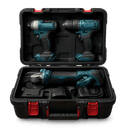
Tools & Equipment
Can help repair or replace hand tools, power tools, and gear that are stolen or damaged on the job or in transit.
Goods in Transit
May cover products, materials, and merchandise while they are being shipped or hauled between locations in your care.
Contractors Equipment
Typically covers heavy machinery like excavators, loaders, and generators against theft or damage at job sites and between them.

Installation Floater
Can help cover materials and fixtures from the moment you buy them until they are installed and accepted at a project.

Builders Risk
May cover a structure under construction, along with materials on site, against damage from fire, wind, theft, and vandalism.
Inland Marine Insurance Cost in Fresno
Average Cost in California
$25 - $140
per month
Businesses in California typically see inland marine insurance premiums of $25 - $140 per month, which tends to run 38% above the national range of $20 - $100 per month.
- Total insured value of the scheduled property
- Type and age of the equipment
- Where it is stored and how far it travels
- Jobsite security and theft prevention
- Per-item limits and deductibles
- Prior theft and in-transit losses
Contact CPK Insurance for a personalized quote.
Prices shown are general estimates, not guaranteed rates or quotes. Your actual premium will depend on the insurer, coverage selected, business details, location, claims history, and other underwriting factors. Learn about our pricing methodology.
Inland marine insurance cost in California depends on the property you schedule, your class of business, and the carrier you choose. California's elevated wildfire risk can push pricing higher for some accounts, especially when property is stored in higher-risk parts of the state or moved through areas with greater loss exposure. Earthquake risk is also very high statewide, and while this coverage is not a substitute for earthquake-specific insurance, carriers may still factor the overall risk environment into underwriting and pricing decisions. The state's crime data also matters because property crime remains elevated, which can influence premiums for tools and mobile business property.
Several factors affect cost: coverage limits and deductibles, claims history, location, industry or risk profile, and policy endorsements. A contractor moving expensive gear between job sites in Sacramento, the Bay Area, and Southern California may see a different rate than a business that only occasionally ships a few items. Because many insurers operate in the state, pricing can differ meaningfully by carrier and comparing multiple quotes is specifically recommended. Availability and appetite vary by risk. Because most California businesses are small operations, many owners benefit from tailoring limits instead of overbuying or underinsuring.
Industries & Insurance Needs in Fresno
Fresno County business mix changes who should look closely at this coverage and how property should be listed. The county has 18,920 business establishments, with health care and social assistance at 14.2%, retail trade at 12.7%, and accommodation and food services at 9.8%. That matters because a local quote is often not just for contractors. It can also fit mobile medical equipment, point of sale devices, catering gear, refrigeration units, event equipment, or inventory that travels between storage, vehicles, and customer sites. If your operation touches more than one address in a week, ask whether your quote is built around scheduled equipment, installation exposure, or property in transit, because those details change how a loss is adjusted. A simple property policy tied to one premises may leave gaps once equipment starts moving between locations.
What Makes Fresno Different
In a market where many owners are watching replacement costs closely, the real question is not whether mobile property has value, but whether you could replace it fast enough to keep working after a loss. That is why the review should focus on downtime as much as physical damage. If a critical piece of equipment is stolen or damaged, the missed revenue from delayed jobs can quickly outweigh the item's book value. Here, structuring your policy to separate interruption-sensitive equipment from lower-value items can help ensure you are not underinsuring the gear that keeps work moving. You should also check whether newly acquired property, rented equipment, and temporary storage are addressed clearly in the form you are considering, because vague assumptions in those areas tend to produce claim disputes.
Our Recommendation for Fresno
Start with an equipment list that reflects how your property actually moves during a normal month. Include anything that travels, sits at a customer site, or moves through temporary storage, then structure your coverage around those movements rather than only your main address. If you operate across several job types, separate property by exposure instead of rolling everything into one rough estimate. That usually means identifying high-theft, high-breakage, and high-downtime items first. If you are comparing forms, ask how each one treats property in vehicles, temporary storage, and items in the care of employees or subcontractors. California Department of Insurance resources can help you review policy language, and the practical step is straightforward: build an accurate equipment list, note any rented or borrowed property, and flag the items you could not afford to replace quickly.
Get Inland Marine Insurance in Fresno
Enter your ZIP code to compare inland marine insurance rates from carriers in Fresno, CA.
Business insurance starting at $25/mo
FAQ
Frequently Asked Questions
Fresno buyers often do, because property that regularly travels or stays in a vehicle between stops may need coverage reviewed outside a fixed-location property policy.
Contractors usually benefit from comparing both. If a few items would be expensive or slow to replace, scheduling them can make the quote more precise. Blanket limits may fit smaller gear, but only if the total value is updated regularly.
Fresno County has 18,920 business establishments. That means roughly one in every eleven California counties has fewer businesses than this single county, so mobile property exposure here extends well beyond construction trades. Mobile medical devices, catering equipment, retail inventory in transit, and event gear can all justify a closer review.
Fresno County's business mix includes retail trade at 12.7% and accommodation and food services at 9.8%. Together those sectors represent more than one in five local businesses, many of which routinely move equipment between storage, vehicles, and event or service locations. A fixed-location property policy may not address that kind of movement.
Fresno's median household income is $66,804. That figure sits below the statewide median, meaning local owners may have less financial cushion to absorb an equipment loss without disrupting both business operations and household budgets.
It is designed for business property that leaves a fixed location, including tools, equipment, materials, and goods moving between sites. It can apply at job sites, in transit, at customer locations, or in temporary storage, subject to your specific policy terms.
It may follow covered property away from your main premises, which is important if your work takes you to Sacramento, coastal metros, or inland project sites.
Contractors, electricians, plumbers, landscapers, photographers, caterers, IT service providers, manufacturers, and other businesses that regularly move valuable property are common users. California's large small-business base makes this especially relevant for owners with portable equipment.
Sources
- 1.U.S. Census Bureau, ACS 5-Year Estimates, table B19013(Fresno’s median household income is $66,804, so a theft, breakage, or transit loss can hit both the business and the owner’s personal budget harder than expected if replacement has to come out of pocket.)
- 2.U.S. Census Bureau, County Business Patterns, Fresno County(The county has 18,920 business establishments, with health care and social assistance at 14.2%, retail trade at 12.7%, and accommodation and food services at 9.8%.)
- 3.California Department of Insurance(California Department of Insurance resources can help you review policy language.)
Updated July 16, 2026





