







































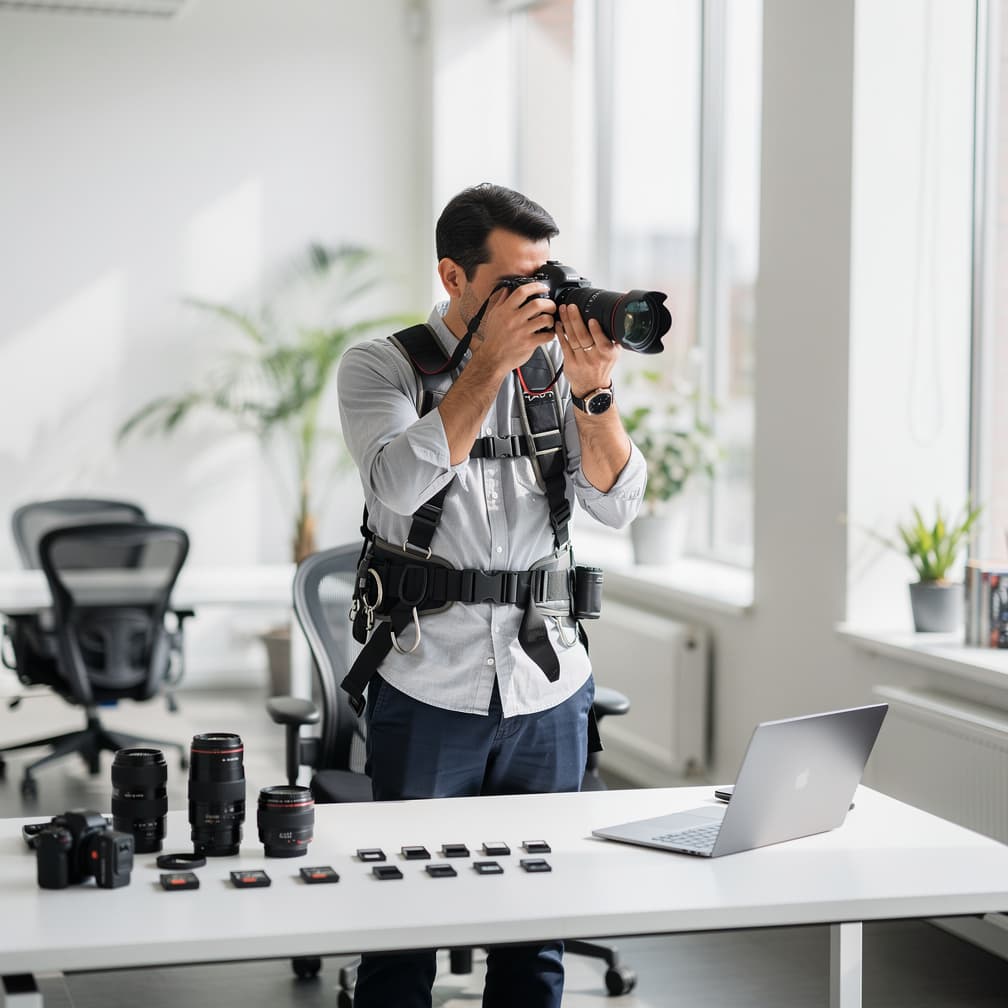

As a photographer in Hayward, a home studio is probably where the business physically lives. That corner of the house holds the drives, the backup drives, the lights, and whoever sits in the chair for a headshot, and that last part is what a homeowners form usually objects to. Business use of a residence is a standard exclusion story, and it surfaces at claim time rather than at binding. A Business Owners Policy bundles liability with that property in one form, subject to what you declare about the space. Photographer insurance in Hayward should account for the room and not only the camera. Ask what a form says about clients on the premises before a client is on the premises.
What Makes Hayward Different
Limits language is where dense-market contracts get specific: per occurrence, aggregate, and sometimes a separate figure per project. Per occurrence is what one claim can draw; aggregate is what the whole term can draw before it is spent. Book heavily enough and you can chew through an aggregate on incidents that individually looked minor at the time. A busy shooter in Hayward who never checks the aggregate can find the last stretch of the term running on fumes. That is arithmetic rather than a wording trick, and the contract you signed still demands the original number. Ask what reinstating an aggregate costs and whether it is even available part way through a term. Also ask whether defense costs sit inside the limit or outside it, because that changes the math completely. Participating carriers in California split on that point, so settle it before a claim makes it urgent.
Local Risk Factors in Hayward
Wildfire smoke cancels outdoor shoots long before flame is near any venue, and poor air can hold a calendar hostage for a week in Hayward. Those lost dates are a contract matter, so deposits and reschedule terms carry them rather than a policy. Smoke also gets into equipment: particulates in a lens barrel and across a sensor are a cleaning bill that arrives quietly. Gradual contamination is typically excluded as wear, while a sudden loss gets treated differently, and where a form draws that line is worth reading closely. Ask a participating carrier in California how it handles smoke damage to scheduled equipment.
What Coverage Does a Photographer in Hayward Need?
General Liability
Venues, landlords, and corporate clients ask for this one by name, and they want their own entity added to it. It generally responds to third-party bodily injury and property damage at a shoot: a guest tripping over a taped cable, a stand marking a wall on the way out. Your own gear and your own work sit outside it.
Example: A guest catches a heel on a cable during a reception and fractures a wrist. The venue forwards the claim to you, and this line may take the medical and legal costs from there.
Professional Liability
Nothing here touches broken glass or a bruised guest. This line aims at the work itself: a missed ceremony, a corrupted card, a gallery a client refuses to accept, an accusation that you never delivered what the contract promised. What it typically stops short of is funding a refund you already agreed to give.
Example: A drive fails and a client's engagement session cannot be recovered. They demand the fee back plus the cost of rebooking everything, and coverage might address the disputed sum, subject to your contract terms.
Camera & Equipment (Inland Marine)
Bodies, lenses, lights, modifiers, and the laptop living in the bag: this schedule follows the equipment rather than an address, which matters because a photographer's workplace changes every week. Theft, drops, and transit damage are commonly in scope. Wear, humidity, and mechanical breakdown commonly are not, and a stale list settles at stale values.
Example: A locked hatchback gives up a bag holding two bodies and three lenses while you carry lights into a hall in Hayward. With serials logged and a report filed, a scheduled claim could put the kit back.
Business Owners Policy
Where a standalone liability policy stops at the people, this package adds the room. It bundles liability together with coverage for a studio or home office and the contents inside, subject to what you declare about the space. Flood typically stays outside it, and a residential form generally cannot stand in for it.
Example: A pipe lets go above a rented studio overnight and soaks two softboxes, a backdrop stand, and the shelf holding your printer. A packaged policy is intended to handle both the room and the ruined contents.
How Much Does Photographer Insurance Cost in Hayward?
Photographer Insurance is a bundle of separate policies, priced separately. The ranges below are typical figures for Hayward for each line; a quote prices each one against your own operations.
| Coverage | Typical range | What moves your price |
|---|---|---|
| General Liability Insurance | $50 - $120 per month | Industry and risk classification, annual revenue, number of employees |
| Professional Liability Insurance | $55 - $140 per month | The services you actually perform, annual revenue or billed fees, limit and retention selected |
| Inland Marine Insurance | $30 - $120 per month | Total insured value of the scheduled property, type and age of the equipment, where it is stored and how far it travels |
| Business Owners Policy Insurance | $75 - $220 per month | Annual revenue and industry class, building and contents values, square footage and building age |
Prices shown are general estimates, not guaranteed rates or quotes. Your actual premium will depend on the insurer, coverage selected, business details, location, claims history, and other underwriting factors. Learn about our pricing methodology.
What Are the Insurance Requirements for a Photographer in Hayward?
Workers' comp is generally required once you have your first employee. California generally requires employers to carry workers' compensation at that point. Common exemptions include sole proprietors and some partners. Confirm current thresholds with your state's workers' compensation agency before you hire.
Flood damage is typically excluded from standard policies. Standard commercial property and builders-risk-type policies typically exclude flood damage. Flood exposure varies address by address, so check your premises in FEMA's Flood Map Service Center before deciding; if you sit in a mapped flood zone, a separate policy through the National Flood Insurance Program is the usual starting point.
Where to verify licensing and coverage rules. The California Department of Insurance publishes consumer guidance and current insurance requirements for California businesses. When a contract or lease demands specific wording, the California Department of Insurance's guidance is the authoritative place to check.
Get Your Photographer Quote in Hayward
Compare rates from multiple carriers. Free quotes, no obligation.
Operating in Hayward
- Deposits and cancellation terms, rather than a policy, are what address a shoot in Hayward lost to a storm week, and they only work if the client read them beforehand.
- A studio lease in Hayward can name the landlord as an additional insured and set a minimum limit, which means the lease decides part of what you buy before you shop.
- Adjusters ask for serial numbers, purchase records, and a police report after a theft, and a photographer holding none of those is negotiating a settlement from memory.
- A commercial buyer in Alameda County can route photography through procurement, where an invoice waits on a compliance checkbox rather than on anything about the gallery itself.
How to Buy: Advice for Hayward Owners
Subcontractors deserve a paragraph in this decision. A second shooter, an assistant, or a retoucher you pay for a day can create a loss on your job under your name. Ask a carrier directly whether people you hire temporarily fall inside the form or outside it, and get that answer written down. Then put matching requirements into your own subcontractor agreement so the risk lands where it belongs. General Liability is the line those questions usually orbit, and the answer changes how it gets priced. Check the California Department of Insurance's guidance before deciding how independent contractors are treated on a business policy in California. Compare quotes from participating carriers with your actual crew arrangement described the same way every time.
FAQ
Photographer Insurance in Hayward: FAQ
Professional Liability is the line aimed at lost, corrupted, or undelivered work, and its terms typically turn on what your contract promised. It generally addresses money a client claims they lost, and nothing recreates the day itself. Your own limitation-of-liability clause can matter as much as the policy limit, since it caps what a client is able to demand. Redundant backups kept in separate places are the cheaper half of this answer.
Yes, and the request is routine in booking agreements. Naming another party as an additional insured gives them rights under your policy, which is why they insist on the exact legal entity. Some policies include a blanket additional-insured endorsement, and others issue them one at a time for a fee. Find out which you have before a coordinator asks, because that decides whether the certificate takes minutes or days.
Per occurrence is the most any single claim can draw. Aggregate is the most the entire policy term can draw before the limit is spent. A photographer booking heavily can erode an aggregate through several modest incidents while every one of them stayed under the per-occurrence figure. Vendor contracts commonly specify both numbers, so read the clause instead of assuming one limit answers it. Ask whether a spent aggregate can be reinstated mid-term.
Standard commercial property forms typically exclude flood, and a Business Owners Policy usually carries the same exclusion. Flood coverage is priced and written separately, often through the National Flood Insurance Program or a private equivalent. The gap surprises people at the worst moment, because water in a studio takes drives, lights, and backdrops in one event. Ask specifically about the flood exclusion before assuming the room is handled.
A certificate requires a bound policy, never a pending application, so the real answer starts with when your coverage takes effect. After that it depends on the carrier: some handle certificate requests through a portal, and others route each one through a person. Nobody can promise a turnaround, which is exactly why the question belongs in the quoting conversation rather than after it. Ask how requests get submitted and who is allowed to submit them.
Expect questions about annual revenue, the mix of weddings, portraits, real estate, and commercial work, an equipment list with replacement values, and your claims history. If you use a studio or a home office, the square footage and the lease terms come up too. Accuracy beats optimism here, because an understated gear schedule quietly understates the claim you file later. Gather it once and quotes become comparable across participating carriers in California.
Sources
- 1.California Department of Insurance(California Department of Insurance publishes consumer guidance for insurance buyers.)
- 2.FEMA / FloodSmart(Flood coverage is typically purchased separately; FEMA administers the National Flood Insurance Program.)


