
Updated July 16, 2026

Builders Risk Insurance in Los Angeles
Los Angeles County supports 304,305 business establishments. That volume means underwriters here see more applications, so yours needs to show who controls the site, how materials are secured between trades, and how the timeline fits a crowded urban job environment. Many projects here sit close to occupied buildings, active storefronts, or tenant spaces that cannot stay disrupted for long. Planning for delay, theft, and partial loss at quote stage matters more than people expect. Your application should present the finished value, construction type, renovation scope, and any soft-cost needs in a way that reads like the project will actually run. You move faster when the request reflects contract requirements and the realities of a dense county market, especially if multiple parties need to be named or their financial interest documented.
Builders Risk Insurance Risk Factors in Los Angeles
Los Angeles's top risk factors include Wildfire risk, Drought conditions, Power shutoffs, and Air quality events.
California has a very high climate risk rating. Top hazards: Wildfire (Very High), Earthquake (Very High), Drought (High), Flooding (High). The state's expected annual loss from natural hazards is $9.8B, which influences builders risk insurance premiums and may affect coverage availability in high-risk areas.
What Builders Risk Insurance Covers
Start with how a loss would interrupt the job, not with a generic list of covered property. A carrier will want to understand whether your project faces wildfire-adjacent exposure, earthquake concerns, flood-prone conditions, or wind-driven damage. Each hazard can affect what is offered, what is limited, and what documentation is needed. Your coverage review should match the site, the phase of construction, and the way materials and equipment move through the project.
For a California build, pay close attention to property that is vulnerable before it is fully enclosed. Framing, roofing materials, windows awaiting installation, mechanical components staged on site, and temporary structures can all create different claim scenarios depending on where the project sits and how the site is secured. If the job includes renovation work, ask how existing structures are treated and whether the policy approach changes once crews are working inside an occupied or partially occupied building.
You should also review delay-related exposures carefully. If a fire or severe storm damages your framing, the physical repair is only part of the problem. You still have to pay extended loan interest, re-coordinate subcontractors, and push back your delivery date. A covered property loss can create financing, scheduling, and subcontractor coordination problems even after physical repairs begin. If your lender or contract requires certain time-element protections, ask for those terms to be reviewed against the actual schedule and critical path items. Do not assume one form fits every project. Ask the quoting team to walk through exclusions, sublimits, soft cost options, testing or installation exposures, and any conditions tied to hazard-prone locations.
Coverage Included

Structure Coverage
Covers the building or structure under construction.

Materials on Site
Covers building materials stored at the construction site.

Materials in Transit
Covers materials being transported to the job site.
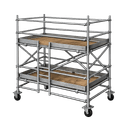
Temporary Structures
Covers scaffolding, fencing, and temporary buildings.

Soft Costs
Covers additional expenses from construction delays due to covered losses.

Equipment Coverage
Covers permanently installed fixtures and equipment.
What Affects Builders Risk Rates in Los Angeles
Los Angeles has a median home value of $879,500, so even smaller residential projects can involve a level of property value that deserves a careful completed-value review before you bind coverage. If your build budget, materials on site, and expected finished value are out of step with the limit requested, you can create problems with lender expectations or claim recovery later. The local median household income is $80,366, which also points to a market where owners may be investing heavily in additions, remodels, and finish upgrades rather than only basic repairs. For you, that means the quote should separate structural work, installed materials, and any owner-furnished items that raise the project value during the term. A quick application rarely captures that well. It is worth reviewing whether the limit tracks the actual completed project, whether soft costs need to be scheduled, and whether the policy term leaves enough room for inspection, permitting, or punch-list delays.
What Makes Los Angeles Different
Projects often move alongside operating tenants, neighboring businesses, and owners who need work completed without long interruptions. That changes the conversation from a simple property limit to a coordination problem: who controls materials, when they arrive, where they are stored, and how quickly damaged work can be replaced without stalling the job. Professional, scientific, and technical services account for 14% of establishments. In practical terms, much of the local improvement work touches offices where even a week of downtime can trigger contractual penalties. Health care and social assistance represent 12.4%, and retail trade accounts for 9.6%. Those sectors mean renovation work frequently involves clinics and storefronts where every day of closure costs real revenue. If your project involves tenant improvements, phased renovations, or work in and around occupied space, the quote review should match the actual occupancy and handoff schedule.
Our Recommendation for Los Angeles
Start with your contract set before you touch the application. You usually get a cleaner review when you can show the named insured structure, lender requirements, lease obligations, and the expected finished value in the same submission. For renovations, describe what stays in place, what is being replaced, and whether the site remains occupied during construction so the reviewer understands the actual job conditions. When materials will be delivered in stages because storage is tight, note that early so the policy review can match how the job will actually run. For higher-value residential work, do not assume the original budget still reflects the finished exposure once custom finishes, owner-supplied materials, or change orders are added. The median home value sits at $879,500, which means a standard limit can fall short once custom finishes and change orders push the true replacement cost higher. A quote works best when the submission reads like the project will actually operate, not like a generic template.
Get Builders Risk Insurance in Los Angeles
Enter your ZIP code to compare builders risk insurance rates from carriers in Los Angeles, CA.
Business insurance starting at $25/mo
FAQ
Frequently Asked Questions
Remodel submissions work better when you show whether the structure stays occupied, what existing property remains in place, and how materials are stored between trades. Local density makes site control and phased work details more important than a bare budget alone.
Projects often move through dense, fast-moving construction environments, so lenders and other stakeholders usually want clearer documentation of value, timeline, and financial interests before funds are released. That documentation protects their investment in a county where build schedules overlap.
With a median home value of $879,500, a standard limit can fall short once custom finishes and change orders push the true replacement cost higher. That step helps you avoid requesting a limit that trails the actual finished exposure once custom finishes or change orders are factored in.
Tenant improvement work often happens around occupied offices, clinics, and storefronts. The quote should match phased construction, access limits, and handoff timing, especially when multiple parties need their financial interest documented before work continues.
The county includes large shares of professional services at 14%, health care and social assistance at 12.4%, and retail trade at 9.6%. Those sectors mean renovation work frequently involves offices, clinics, and storefronts where occupancy coordination can shape the insurance review.
The California Department of Insurance oversees this coverage. That oversight matters because it shapes which policy forms and endorsements are available to you, so use policy documents and quote questions that match state filing and consumer oversight expectations.
Projects in wildfire-prone areas often face closer underwriting review. Be ready to explain site protections, material storage, and how the job is secured after hours.
Renovation projects often need a more detailed review because occupied space, existing structures, and phased work can change how coverage is structured. Check the policy approach against the actual renovation plan.
Sources
- 1.U.S. Census Bureau, County Business Patterns, Los Angeles County(Los Angeles County supports 304,305 business establishments.; The county's establishment mix includes professional, scientific, and technical services at 14%, health care and social assistance at 12.4%, and retail trade at 9.6%.)
- 2.U.S. Census Bureau, ACS 5-Year Estimates, table B25077(Los Angeles has a median home value of $879,500.)
- 3.U.S. Census Bureau, ACS 5-Year Estimates, table B19013(The local median household income is $80,366.)
Updated July 16, 2026