







































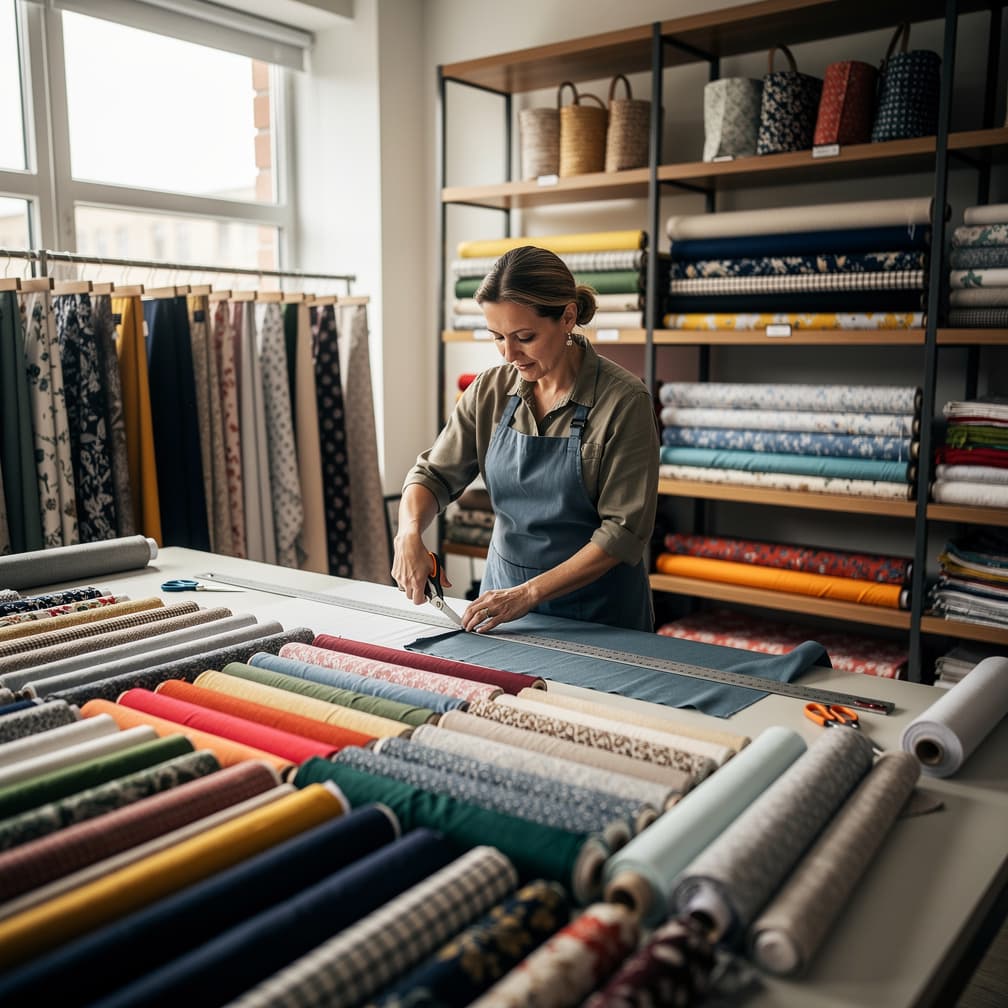

Smoke does not need to reach your shelves to ruin them. A fire two units down in a shared retail building can leave every bolt on your floor smelling like it burned, and unsellable stock is a loss whether or not it is scorched. Fabric store insurance in Oakland gets interesting exactly there, in the space between visible damage and commercial reality. Adjoining tenants, shared walls, and shared sprinkler systems are part of your risk in a dense retail strip. So is the neighbor's liability, which may or may not ever reach you. Ask how smoke and odor damage to inventory is treated in the form you are quoted. That answer varies more between participating carriers in California than the headline price does.
What Makes Oakland Different
Roof leaks in a multi-tenant building are somebody else's repair and entirely your own inventory problem. Water finds the bolts stacked against an exterior wall first, and fabric wicks damage upward fast. By the time a building manager schedules a contractor, your stock has already made its decision. Repair responsibility and loss responsibility are separate questions, and leases answer only the first of them. Your own Commercial Property limit is generally what stands between a wet rack and a written-off season. Move stock off the floor and away from exterior walls where you can, since prevention beats argument. Then ask how an Oakland policy treats water entering through a roof that somebody else maintains. In a dense Alameda County building with tenants above you, that answer beats a price comparison.
Local Risk Factors in Oakland
Ahead of the dry months, work out what you would carry out and what you would lose if an Oakland store had an hour's notice. Records, invoices, and photographs of full shelves belong somewhere that does not share a roof with the stock, and arranging that costs nothing. Then ask one specific question of any quote: how is smoke damage to inventory defined and valued? The answer varies more between California forms than the premium does, and for this trade it is the whole claim. Commercial Property may help cover the stock and the cleanup, and lingering odor traced to an older event generally sits outside the form entirely.
What Coverage Does a Fabric Store in Oakland Need?
General Liability
Landlords, market organizers, and lenders ask for this one by name before they hand over keys or assign a booth. It could help cover a customer who slips in an aisle, a cut hand at your cutting table, or damage you cause to somebody else's property. Employee injuries sit outside it, and so does damage to your own inventory.
Example: A shopper catches a foot on a rolling remnant cart, goes down hard, and a demand letter for the emergency room visit lands six weeks later. General Liability is typically the line that answers.
Commercial Property
Rising floodwater and gradual wear sit outside this form from the start. What is inside is the stock and the contents: bolts, trims, notions, shelving, cutting tables, and the fit-out you paid to install in a leased unit. It may respond to fire, smoke, theft, storm damage, and sudden water from a burst pipe. Undercounting inventory is what costs owners at claim time.
Example: A sprinkler head lets go over the cotton wall on a cold night and soaks four racks before anyone arrives. Commercial Property may help cover the ruined bolts, subject to your deductible.
Workers Compensation
Payroll is what this one is priced on, at a rate per hundred dollars of wages that moves with how your staff get classified. It can help cover medical bills and lost wages when an employee is hurt lifting bolts, reaching a top shelf, or working a cutter. Whether it is mandatory at your headcount varies by state.
Example: A part-timer hauling a full bolt down from an overhead rack tears a shoulder and spends two months in physical therapy. This is the line that would ordinarily respond.
Business Owners Policy
Instead of buying the liability and the property separately, this bundles them into one form with one renewal date, and plenty of small retailers start here. It commonly adds a time element that may help cover lost income while a covered repair keeps the doors shut. The catch is the property cap inside the package, which may sit below what your shelves actually hold.
Example: A fire two units down leaves your bolts unsellable and the store shut for six weeks while the block gets rebuilt. A Business Owners Policy might pick up both the stock and the closed weeks.
How Much Does Fabric Store Insurance Cost in Oakland?
Fabric Store Insurance is a bundle of separate policies, priced separately. The ranges below are typical figures for Oakland for each line, except workers compensation, which is rated per $100 of payroll; a quote prices each one against your own operations.
| Coverage | Typical range | What moves your price |
|---|---|---|
| General Liability Insurance | $65 - $180 per month | Industry and risk classification, annual revenue, number of employees |
| Commercial Property Insurance | $180 - $600 per month | Building value and construction type, roof age and condition, fire protection class |
| Workers Compensation Insurance | $0.75 - $2.74 per $100 of payroll | Employee classification codes, total annual payroll, experience modification rate |
| Business Owners Policy Insurance | $140 - $410 per month | Annual revenue and industry class, building and contents values, square footage and building age |
Prices shown are general estimates, not guaranteed rates or quotes. Your actual premium will depend on the insurer, coverage selected, business details, location, claims history, and other underwriting factors. Learn about our pricing methodology.
What Are the Insurance Requirements for a Fabric Store in Oakland?
Workers' comp is generally required once you have your first employee. California generally requires employers to carry workers' compensation at that point. Common exemptions include sole proprietors and some partners. Confirm current thresholds with your state's workers' compensation agency before you hire.
Flood damage is typically excluded from standard policies. Standard commercial property and builders-risk-type policies typically exclude flood damage. Flood exposure varies address by address, so check your premises in FEMA's Flood Map Service Center before deciding; if you sit in a mapped flood zone, a separate policy through the National Flood Insurance Program is the usual starting point.
Where to verify licensing and coverage rules. The California Department of Insurance publishes consumer guidance and current insurance requirements for California businesses. When a contract or lease demands specific wording, the California Department of Insurance's guidance is the authoritative place to check.
Get Your Fabric Store Quote in Oakland
Compare rates from multiple carriers. Free quotes, no obligation.
Operating in Oakland
- Sewing classes turn a sales floor into a workshop full of people you have never trained. A student's injury at a machine you supplied opens a different claim from a shopper's slip in an aisle.
- A market organizer in Oakland can require proof of coverage before assigning you a booth, and a verbal assurance from anyone at the event is worth nothing once a folding table gives way.
- Water finds the bolts stacked against exterior walls first. Stock stored flat on the floor instead of up on pallets turns a small overnight leak into a whole rack written off.
- Your inventory value drifts upward every time you widen the range, and the limit on your policy does not drift with it unless you tell participating carriers in California the number changed.
How to Buy: Advice for Oakland Owners
List everything that actually happens in your store, including the parts that are not selling fabric. Sewing classes, machine rentals, alterations, a booth at a weekend market: each changes your exposure, and none of them appear on your business license. A student injured at a machine you supplied is a General Liability question with a different answer than a shopper slipping in an aisle. If staff run those classes, Workers Compensation follows the payroll wherever the work happens. Volunteering these details at the quote stage feels like inviting a higher price, and it is far cheaper than a denied claim. A policy written on an assumption gets re-rated the moment the assumption breaks. Describe the whole operation for your Oakland store and the quote will survive contact with reality. Bring that description to CPK and see how participating carriers in California price it.
FAQ
Fabric Store Insurance in Oakland: FAQ
No. Policies respond to sudden, accidental events, and gradual deterioration sits outside them by design. Fabric that faded in a window over two seasons, shelving that sagged, or slow seepage nobody noticed are maintenance issues rather than claims. That line matters because a long-running leak discovered late can be denied for exactly this reason. Fixing small problems early protects both the stock and your ability to claim on the big one.
Put them on identical limits, identical deductibles, and identical descriptions of your store first, because two quotes that look alike rarely are. Check the aggregate, the wind or hail deductible, and how the time element gets triggered. The California Department of Insurance publishes consumer guidance on comparing commercial policy forms. CPK lets you gather quotes from participating carriers in California on one set of facts, which is what makes them genuinely comparable.
Most commercial leases make it a condition of getting the keys, so the answer is usually yes and the timing is tighter than owners expect. The clause behind an Oakland storefront will name a liability limit and often ask for the building owner to be added as an additional insured. Read it before you sign, because agreeing to wording your policy will not grant leaves you exposed personally.
Price comes from your own numbers rather than the trade label: payroll, square footage, the replacement value of stock on your shelves, your building's age and fire protection, and your claim record over the last three years. A store staffed only by the owner in a sprinklered unit prices very differently from one running two shifts in an older building. The cost table on this page shows the current ranges.
Usually not. Commercial Property forms generally exclude flood, meaning rising surface water that enters the building, and flood coverage gets bought separately. A pipe bursting overhead is a different event entirely and may be treated as sudden water damage the form may respond to. The distinction turns on where the water came from rather than how wet the bolts ended up. Ask which bucket your building sits in before assuming.
Anyone with a financial stake in your store. Landlords ask before handing over keys, lenders behind your equipment ask at funding, wholesale suppliers extending credit sometimes ask, and market organizers ask before a booth date. Each may want different wording, and a certificate that satisfies one can be rejected by another. Keep a list of who holds a current one for your Oakland store, since the list grows quietly and lapses get noticed fast.
Sources
- 1.California Department of Insurance(California Department of Insurance publishes consumer guidance for insurance buyers.)
- 2.FEMA / FloodSmart(Flood coverage is typically purchased separately; FEMA administers the National Flood Insurance Program.)


