







































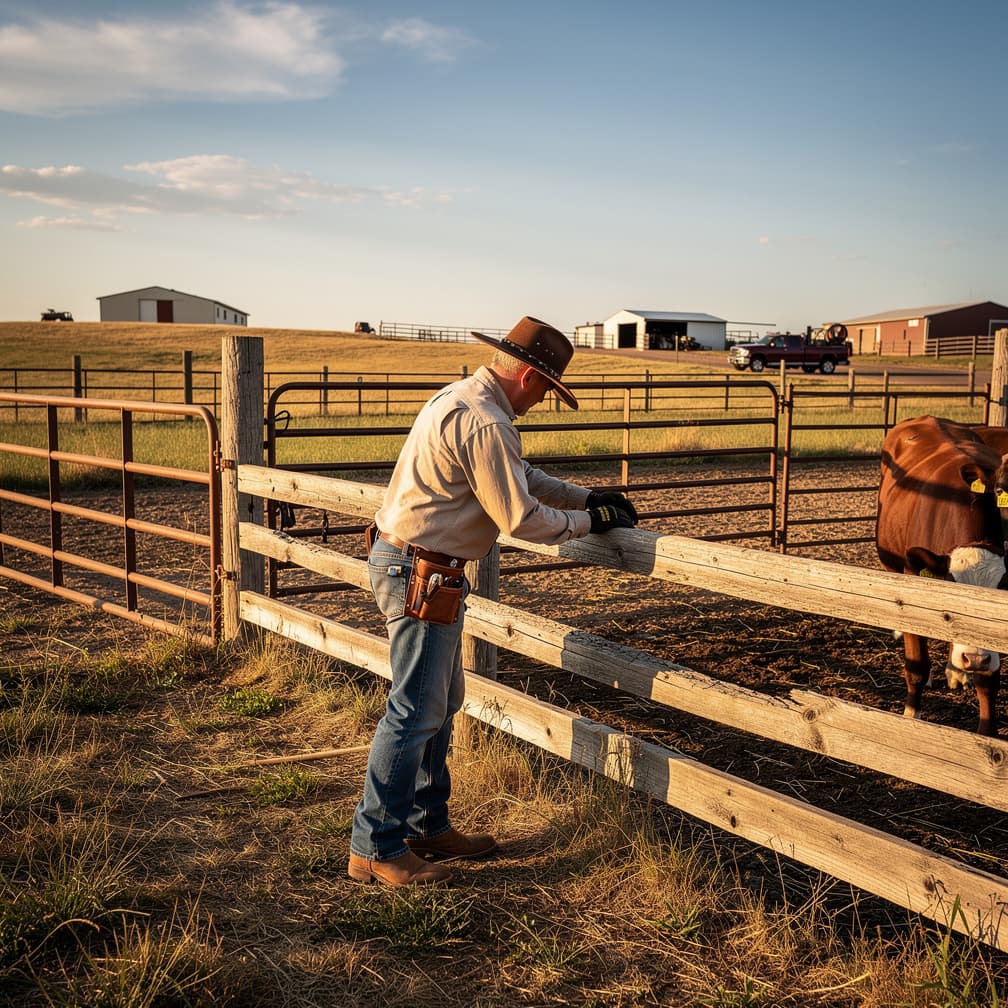

Participating carriers in California do not read a ranch the same way, and their forms differ on points you would assume were settled: whether livestock counts as property, whether a trailer follows the truck, how hired help is treated. That variation is why two quotes for ranch insurance in Richmond can differ by more than the price suggests. One may schedule your equipment by item; another may lump it into a blanket figure that looks generous and pays like an estimate. Read what is scheduled and what is merely described. When the same submission goes to several carriers, the real differences hide in the endorsements rather than the headline. Bring your equipment list and your hauling details, and the comparison stops being guesswork.
What Makes Richmond Different
Additional insured wording trips up more ranch operations than any limit ever has. Someone leasing you pasture wants their name on your policy, and your policy has to allow it. Forms in use across California differ on which of those requests a ranch policy grants without an endorsement. Read the clause before you sign, because a signature commits you to something the policy may not deliver. Ask what the counterparty actually needs: additional insured, waiver of subrogation, primary and noncontributory, notice of cancellation. Those four phrases decide whether the certificate you send gets accepted or bounced back. A contract for work near Richmond can name all four in one paragraph nobody reads aloud. Take the paragraph to whoever quotes you and let the quotes answer it instead of your optimism.
Local Risk Factors in Richmond
Wildfire takes fence, grass, and outbuildings faster than anything else on this list, and the grazing goes with them. Commercial Property may respond to structures and equipment lost to fire, and this is one of the few hazards where the standard form is the right form. What it generally does not answer is the pasture itself, the standing grass, or the cost of feeding stock with nothing left to eat. That gap is worth pricing before a dry season in Contra Costa County prices it for you. Ask about defensible space, since carriers in California increasingly ask what you clear and how far out from the buildings. Ask what happens to a policy at renewal after a bad fire season, because availability rather than price is the constraint owners hit first.
What Coverage Does a Ranch in Richmond Need?
General Liability
Ask whoever leases you pasture what they want to see, and this is the line they name. It can help cover a third party's injury on your ground, damage you do to somebody else's property, and the defense if a demand turns into a suit. Injuries to your own workers and property left in your care generally sit outside it.
Example: A buyer steps into the wet alley beside the chute, catches a heel, and tears a knee. The medical bills and the demand letter behind them are the kind of claim this line is meant to take on.
Commercial Property
Flood and mechanical breakdown typically sit outside this form, which tells you what it is actually for: the barn, the loafing shed, the panels, the tack and tools inside them, and stored feed, when fire, wind, hail, or theft does the damage. Fencing and animals get treated unevenly, so ask how yours are scheduled.
Example: Wind lifts half the roof off a hay barn and rain finishes the feed stored under it that night. Structure and contents can land on one claim, with your deductible coming off the top.
Commercial Auto
Personal auto policies commonly exclude business use, and that gap is the reason this line exists for ranch trucks, feed rigs, and trailers. It might answer liability when a ranch vehicle injures someone or damages property, plus physical damage to the truck itself where that piece is added. Hauling for hire changes the classification, so disclose it.
Example: A loaded stock trailer sways on a county road out of Richmond, clips a mailbox and a parked car, and the driver was a hand you pay by the day. Whether that claim goes anywhere often turns on who was authorized to drive.
Workers Compensation
Payroll is the meter: this line gets rated per $100 of what you pay hired help, and it can cover medical care and lost wages when a worker is hurt doing ranch work. Whether owners and family members are included varies, and requirements differ by state, so get the list of included people in writing.
Example: A hand loading panels at branding tears a shoulder and misses two months of work. Medical bills and part of the lost pay are where that claim goes, provided the payroll behind him was reported honestly.
How Much Does Ranch Insurance Cost in Richmond?
Ranch Insurance is a bundle of separate policies, priced separately. The ranges below are typical figures for Richmond for each line, except workers compensation, which is rated per $100 of payroll; a quote prices each one against your own operations.
| Coverage | Typical range | What moves your price |
|---|---|---|
| General Liability Insurance | $140 - $490 per month | Industry and risk classification, annual revenue, number of employees |
| Commercial Property Insurance | $450 - $1,550 per month | Building value and construction type, roof age and condition, fire protection class |
| Commercial Auto Insurance | $280 - $850 per month | Fleet size and vehicle types, driver records and experience, coverage limits and deductibles |
| Workers Compensation Insurance | $0.75 - $2.74 per $100 of payroll | Employee classification codes, total annual payroll, experience modification rate |
Prices shown are general estimates, not guaranteed rates or quotes. Your actual premium will depend on the insurer, coverage selected, business details, location, claims history, and other underwriting factors. Learn about our pricing methodology.
What Are the Insurance Requirements for a Ranch in Richmond?
Workers' comp is generally required once you have your first employee. California generally requires employers to carry workers' compensation at that point. Common exemptions include sole proprietors and some partners. Confirm current thresholds with your state's workers' compensation agency before you hire.
State auto liability minimums apply to business vehicles. California's minimum auto liability limits are $30,000/$60,000/$15,000 (bodily injury per person / per accident / property damage). Contracts and lenders often require more than the state floor.
Flood damage is typically excluded from standard policies. Standard commercial property and builders-risk-type policies typically exclude flood damage. Flood exposure varies address by address, so check your premises in FEMA's Flood Map Service Center before deciding; if you sit in a mapped flood zone, a separate policy through the National Flood Insurance Program is the usual starting point.
Where to verify licensing and coverage rules. The California Department of Insurance publishes consumer guidance and current insurance requirements for California businesses. When a contract or lease demands specific wording, the California Department of Insurance's guidance is the authoritative place to check.
Get Your Ranch Quote in Richmond
Compare rates from multiple carriers. Free quotes, no obligation.
Operating in Richmond
- Branding brings hands who worked two hours and never made it into a ledger. Payroll audits find them anyway, and the bill for an unreported worker lands a year after the day everyone forgot.
- You lend a loader to a neighbor and it rolls into a ditch on their place. Whose policy answers turns on wording nobody read, which is why a text message setting the terms beats a handshake.
- Fence along a public road in Contra Costa County is a legal boundary as much as a physical one. Dated photographs of repairs cost nothing and are exactly what an adjuster asks for when an animal gets out.
- A water pump quits and feeding stops until it is replaced. The repair is small, the lost condition on the herd is not, and property forms treat mechanical breakdown as a separate question entirely.
How to Buy: Advice for Richmond Owners
Before the season turns and you are moving stock at first light, get the insurance decisions made. Coverage bought under pressure gets bought on somebody else's timeline. Set a date six weeks ahead of your busiest stretch and use it to gather payroll, vehicles, equipment values, and last year's loss runs. That packet is what a quote actually needs, and it is the only thing standing between you and a same-day comparison. Workers Compensation and Commercial Auto both take longer to quote than General Liability, so start them first. The California Department of Insurance publishes consumer guidance on the information carriers may ask for. When the packet is ready, CPK puts participating carriers in California on the same set of facts and you choose from real numbers.
FAQ
Ranch Insurance in Richmond: FAQ
That is the claim ranch liability coverage exists for. General Liability could respond to a third party's injury on your property, including medical costs and the defense if they sue you. Your own workers are handled elsewhere, and harm you cause on purpose is excluded everywhere. The limit you picked is the ceiling on all of it, which is why the limit deserves more attention than the premium.
Sometimes, and the details decide it. Liability from a trailer in tow often follows the towing vehicle, while physical damage to the trailer itself usually has to be scheduled. A trailer sitting unhitched at a gate is a third question again. List every trailer on the Commercial Auto quote with values, and ask which of those three situations the form actually addresses.
Not automatically. Commercial Property forms are written around structures and contents, and animals commonly need scheduled livestock coverage or a separate form. Even then the cause matters: death from an accident, from disease, and from weather get treated differently, and some causes sit outside the form entirely. Ask for the list of covered causes in writing before you assume the herd is on the policy.
It puts the other party's name on your policy so your coverage can answer claims arising out of your use of their ground. Landowners and buyers ask for it because it moves the first line of defense to your insurer instead of theirs. Not every form grants it automatically, and some need an endorsement. Confirm your California quote allows the exact wording the contract names.
Often, subject to where they sat and how they were secured. Property kept in a locked building gets treated differently from gear left in an open lean-to or a trailer parked by a gate. Some forms sublimit tools sharply while others schedule them by item. Your deductible comes off first, which is why small theft claims frequently cost more in renewal pricing than they return.
The per occurrence figure caps what a policy may pay for one event, and the aggregate caps what it may pay across the whole policy year. A rough season holding a visitor injury, a fence-line dispute with a neighbor, and a delivery gone wrong can burn the aggregate on the first two claims and leave the third one short. Ask for both numbers, and ask whether defense costs are counted against them.
Sources
- 1.California Department of Insurance(California Department of Insurance publishes consumer guidance for insurance buyers.)
- 2.FEMA / FloodSmart(Flood coverage is typically purchased separately; FEMA administers the National Flood Insurance Program.)


