







































Updated July 5, 2026

Inland Marine Insurance in San Diego
Your crews do not keep equipment in one place for long here. A contractor may leave laser levels and compact tools in a shared yard near Miramar, move them to a tenant improvement downtown, then stage materials overnight at a client site before the next morning's install. A medical vendor may shuttle diagnostic devices between offices, while a design firm carries higher-value laptops, cameras, or demo gear to presentations across the county. That operating pattern is why inland marine insurance in San Diego deserves a closer review than a generic property schedule. You need to look at what travels, where it sits between stops, who signs for it, and whether values spike during deliveries, pop-up installations, or short-term storage. San Diego County reports 92,799 business establishments, so property often moves through dense networks of landlords, job sites, vendors, and subcontractors where responsibility can get blurry after a loss. Before you request a quote, build a current equipment list with serial numbers, peak replacement values, and the addresses where property is most likely to be unloaded, staged, or handed off.
Inland Marine Insurance Risk Factors in San Diego
Local exposure is less about one fixed building and more about how long your property stays in motion or sits unattended between stops. If your tools or stock spend part of the week in vans, temporary storage rooms, parking structures, or customer premises, your review should focus on **transit, loading and unloading, and off-site storage** details rather than only the main business address. California's broader natural hazard profile still matters, but the practical question here is operational: which items are most vulnerable while moving between neighborhoods, and which ones are hardest to replace quickly if a project cannot wait. For many local businesses, the weak point is not the office or shop. It is the handoff, the overnight staging window, or the unscheduled stop where equipment is out of your direct control. Ask for item classes, limits, and valuation terms that match those movement patterns before a claim tests the wording.
California has a very high climate risk rating. Top hazards: Wildfire (Very High), Earthquake (Very High), Drought (High), Flooding (High). The state's expected annual loss from natural hazards is $9.8B, which influences inland marine insurance premiums and may affect coverage availability in high-risk areas.
What Inland Marine Insurance Covers
In California, inland marine insurance is designed to follow covered business property when it is away from your primary premises. That matters in a state where businesses may work from Sacramento job sites, warehouse districts in the Bay Area, retail corridors in Southern California, or temporary storage spaces after a project delay. The core coverages address different mobile-property exposures. Tools and equipment is generally aimed at portable items used repeatedly at job sites, while contractors equipment is better suited to larger machines and specialized gear. Goods in transit is the fit for materials or products moving between locations, and installation floater can matter when materials are being installed at a customer site. Builders risk is relevant when materials or structures are under construction rather than in a finished location.
California does not impose a single statewide inland marine mandate, but coverage needs can vary by industry and business size. Because the state has high wildfire and earthquake risk, plus high property crime rates, carriers may pay close attention to where property is stored, how often it moves, and whether temporary storage is part of the operation. A policy may include theft, damage, vandalism, and other covered perils, but the exact terms depend on the form, limits, and endorsements you choose.
Coverage Included
Tools & Equipment
Can help repair or replace hand tools, power tools, and gear that are stolen or damaged on the job or in transit.

Goods in Transit
May cover products, materials, and merchandise while they are being shipped or hauled between locations in your care.
Contractors Equipment
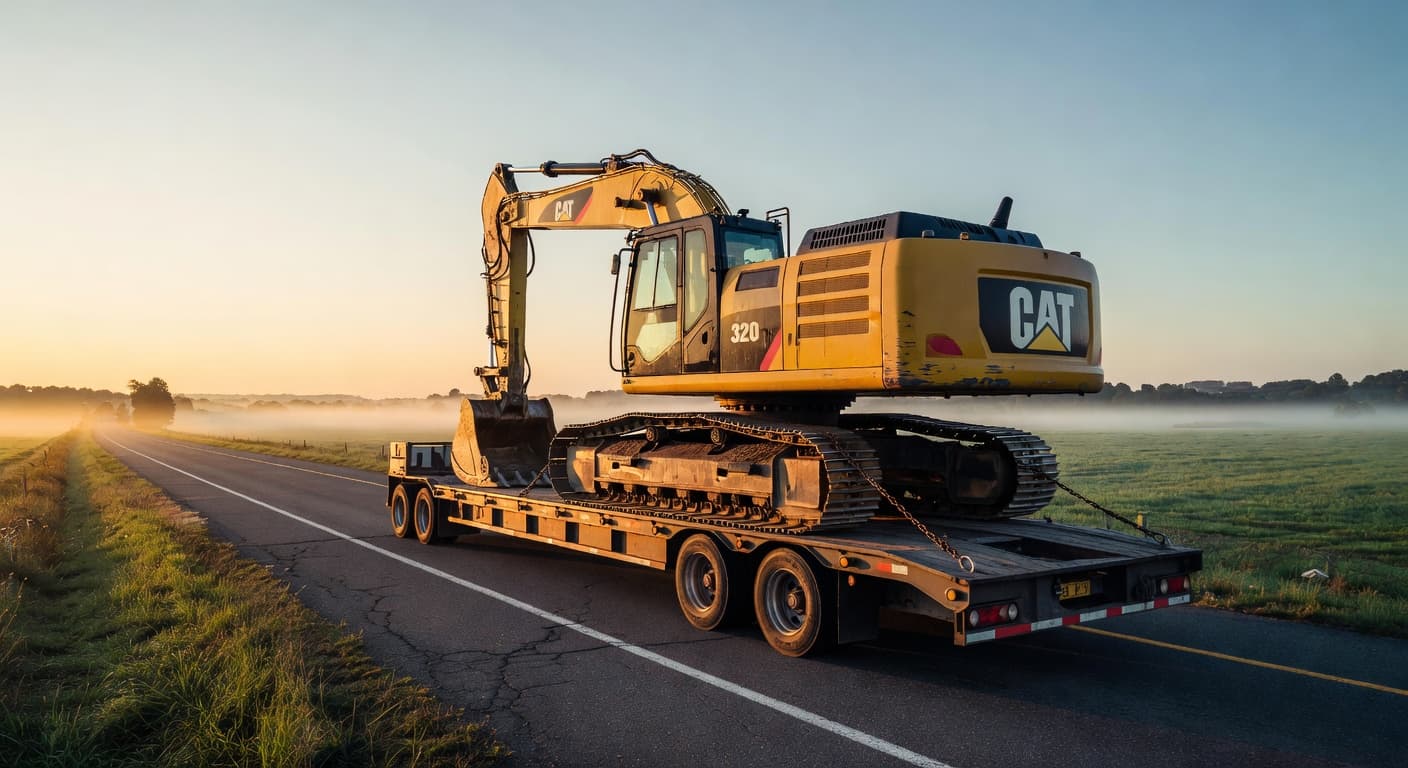
Typically covers heavy machinery like excavators, loaders, and generators against theft or damage at job sites and between them.

Installation Floater
Can help cover materials and fixtures from the moment you buy them until they are installed and accepted at a project.

Builders Risk
May cover a structure under construction, along with materials on site, against damage from fire, wind, theft, and vandalism.
Inland Marine Insurance Cost in San Diego
Average Cost in California
$25 - $140
per month
Businesses in California typically see inland marine insurance premiums of $25 - $140 per month, which tends to run 38% above the national range of $20 - $100 per month.
- Total insured value of the scheduled property
- Type and age of the equipment
- Where it is stored and how far it travels
- Jobsite security and theft prevention
- Per-item limits and deductibles
- Prior theft and in-transit losses
Contact CPK Insurance for a personalized quote.
Prices shown are general estimates, not guaranteed rates or quotes. Your actual premium will depend on the insurer, coverage selected, business details, location, claims history, and other underwriting factors. Learn about our pricing methodology.
Inland marine insurance cost in California depends on the property you schedule, your class of business, and the carrier you choose. California's elevated wildfire risk can push pricing higher for some accounts, especially when property is stored in higher-risk parts of the state or moved through areas with greater loss exposure. Earthquake risk is also very high statewide, and while this coverage is not a substitute for earthquake-specific insurance, carriers may still factor the overall risk environment into underwriting and pricing decisions. The state's crime data also matters because property crime remains elevated, which can influence premiums for tools and mobile business property.
Several factors affect cost: coverage limits and deductibles, claims history, location, industry or risk profile, and policy endorsements. A contractor moving expensive gear between job sites in Sacramento, the Bay Area, and Southern California may see a different rate than a business that only occasionally ships a few items. Because many insurers operate in the state, pricing can differ meaningfully by carrier and comparing multiple quotes is specifically recommended. Availability and appetite vary by risk. Because most California businesses are small operations, many owners benefit from tailoring limits instead of overbuying or underinsuring.
Industries & Insurance Needs in San Diego
County industry mix changes the inland marine conversation because so much local business activity depends on property that leaves a fixed address. In San Diego County, professional, scientific, and technical services account for 17.3% of establishments, health care and social assistance 12.1%, and retail trade 10%. That mix points to a wide range of mobile property exposures, from field laptops, cameras, and testing gear to portable medical equipment, demonstration units, and inventory moving to events or customer locations. The issue is not just whether property travels. It is whether your current schedule separates high-value items, borrowed equipment, and goods that move on a recurring route. If your operation touches more than one of those categories, ask for a quote built around how property is transported, staged, and documented, not just a blanket estimate based on your main premises.
What Makes San Diego Different
Mobility across mixed-use business patterns is what changes the calculus here. This is not only a contractor or freight issue. The local economy includes dense service, health, retail, and technical operations that routinely carry valuable property to client sites, temporary workspaces, and short-term storage. That matters because inland marine claims often turn on where the item was, why it was there, and whether the policy description matches that real-world use. San Diego's median household income is $104,321, which can support demand for higher-end residential and commercial projects, specialized services, and better-equipped client environments, so some businesses here carry more expensive tools, electronics, or demonstration property than a basic schedule assumes. If your replacement costs have climbed with the kind of work you now take on, review limits item by item instead of relying on an older blanket number. A quote works better when it reflects your actual route, custody chain, and peak values during busy weeks.
Our Recommendation for San Diego
Start with the property that creates the biggest interruption if it disappears for even a few days. For one business, that is surveying gear or diagnostic equipment. For another, it is tablets, cameras, sample inventory, or installation tools that move from vehicle to site to temporary storage. Then map the custody chain: your employee, a subcontractor, a courier, a landlord's loading area, or a client location. That exercise usually shows where descriptions are too vague or limits are too low. If you lease space, review any contract language about responsibility for property in common areas, storage rooms, and loading zones. If you rotate equipment between teams, ask whether scheduled items, unscheduled tools, installation floaters, or transit-focused wording fits better. Keep purchase records and serial numbers current, and note seasonal spikes when extra equipment or stock is on the move. Bring that list into a free, no-obligation quote request so the policy can be reviewed against how your property actually travels.
Get Inland Marine Insurance in San Diego
Enter your ZIP code to compare inland marine insurance rates from carriers in San Diego, CA.
Business insurance starting at $25/mo
FAQ
Frequently Asked Questions
San Diego businesses that move tools, equipment, samples, or inventory between locations are the strongest local fit. County activity is broad, with 92,799 business establishments, so many owners work through client sites, shared buildings, and temporary storage where property responsibility can blur.
San Diego operations that carry higher-value electronics often review inland marine when those items leave the office regularly. That is especially relevant in a county where professional, scientific, and technical services make up 17.3% of establishments, creating more mobile equipment exposure.
San Diego can support more expensive project scopes and equipment choices, with a median household income of $104,321. If your tools, demo property, or portable devices cost more to replace than they did a few years ago, older limits may not track current values.
San Diego claims questions often center on where property was staged and who had custody at the time. If equipment sits overnight at a client location, shared workspace, or temporary job site, ask for wording that matches those off-premises movement patterns.
San Diego buyers can keep the quote discussion practical and ask how forms, limits, and exclusions are handled under California oversight. The California Department of Insurance regulates insurers in the state, but your decision still turns on item descriptions, valuation, and transit details.
It is designed for business property that leaves a fixed location, including tools, equipment, materials, and goods moving between sites. It can apply at job sites, in transit, at customer locations, or in temporary storage, subject to your specific policy terms.
It may follow covered property away from your main premises, which is important if your work takes you to Sacramento, coastal metros, or inland project sites.
Contractors, electricians, plumbers, landscapers, photographers, caterers, IT service providers, manufacturers, and other businesses that regularly move valuable property are common users. California's large small-business base makes this especially relevant for owners with portable equipment.
Sources
- 1.U.S. Census Bureau, County Business Patterns, San Diego County(San Diego County reports 92,799 business establishments, so property often moves through dense networks of landlords, job sites, vendors, and subcontractors where responsibility can get blurry after a loss.; In San Diego County, professional, scientific, and technical services account for 17.3% of establishments, health care and social assistance 12.1%, and retail trade 10%.)
- 2.U.S. Census Bureau, ACS 5-Year Estimates, table B19013(San Diego's median household income is $104,321, which can support demand for higher-end residential and commercial projects, specialized services, and better-equipped client environments.)
- 3.California Department of Insurance(The California Department of Insurance regulates insurers in the state.)
Updated July 5, 2026





