








































Updated July 5, 2026

Builders Risk Insurance in San Francisco
Do you need a different builders risk approach for a project here than you would elsewhere in California? Yes. Builders risk insurance in San Francisco usually gets more scrutiny around completed value, renovation scope, and how tightly your budget and timeline are tied to a dense, high-value property environment. That matters whether you are rehabbing a flat in the Richmond, improving a mixed-use building in SoMa, or finishing tenant work in a neighborhood retail corridor where deliveries, staging, and access all stay tight. The local issue is not just hazard mapping, which the state page already covers. It is the financial concentration at the job site. With a median home value of $1,380,500, a valuation shortcut can leave the project underinsured relative to the property you are altering or rebuilding, so your application should show the completed value logic, major materials, and any owner-furnished items clearly. The same discipline helps on higher-end residential work, where local buyer expectations often point to upgrade-heavy scopes, custom finishes, and change orders that can push values upward during the term. Before you request terms, line up the latest budget, schedule, and draw expectations.
Builders Risk Insurance Risk Factors in San Francisco
San Francisco's top risk factors include Wildfire risk, Drought conditions, Power shutoffs, and Air quality events.
California has a very high climate risk rating. Top hazards: Wildfire (Very High), Earthquake (Very High), Drought (High), Flooding (High). The state's expected annual loss from natural hazards is $9.8B, which influences builders risk insurance premiums and may affect coverage availability in high-risk areas.
What Builders Risk Insurance Covers
Start with how a loss would interrupt the job, not with a generic list of covered property. A carrier will want to understand whether your project faces wildfire-adjacent exposure, earthquake concerns, flood-prone conditions, or wind-driven damage. Each hazard can affect what is offered, what is limited, and what documentation is needed. Your coverage review should match the site, the phase of construction, and the way materials and equipment move through the project.
For a California build, pay close attention to property that is vulnerable before it is fully enclosed. Framing, roofing materials, windows awaiting installation, mechanical components staged on site, and temporary structures can all create different claim scenarios depending on where the project sits and how the site is secured. If the job includes renovation work, ask how existing structures are treated and whether the policy approach changes once crews are working inside an occupied or partially occupied building.
You should also review delay-related exposures carefully. If a fire or severe storm damages your framing, the physical repair is only part of the problem. You still have to pay extended loan interest, re-coordinate subcontractors, and push back your delivery date. A covered property loss can create financing, scheduling, and subcontractor coordination problems even after physical repairs begin. If your lender or contract requires certain time-element protections, ask for those terms to be reviewed against the actual schedule and critical path items. Do not assume one form fits every project. Ask the quoting team to walk through exclusions, sublimits, soft cost options, testing or installation exposures, and any conditions tied to hazard-prone locations.
Coverage Included

Structure Coverage
Covers the building or structure under construction.

Materials on Site
Covers building materials stored at the construction site.

Materials in Transit
Covers materials being transported to the job site.
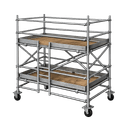
Temporary Structures
Covers scaffolding, fencing, and temporary buildings.

Soft Costs
Covers additional expenses from construction delays due to covered losses.

Equipment Coverage
Covers permanently installed fixtures and equipment.
Industries & Insurance Needs in San Francisco
San Francisco County has 33,513 business establishments, and the leading sectors by establishment share are professional, scientific, and technical services at 21.8%, accommodation and food services at 12.6%, and health care and social assistance at 10.3%. For builders risk, that mix matters because many local projects are not simple ground-up jobs. They are office improvements, restaurant build-outs, clinic upgrades, and other occupied-property work where a delay can affect lease obligations, opening dates, equipment delivery, or revenue plans. In practice, that means your submission should explain the end use, whether the space stays partially occupied, and which party carries the financial risk if the project is damaged before completion. If your job supports a tenant opening or a specialized professional use, ask your agent to review whether the policy structure and valuation approach match that operational timeline.
What Affects Builders Risk Rates in San Francisco
Local property values change the builders risk conversation here because the amount at risk can climb quickly even on projects that look modest from the street. A small error in completed value, soft cost planning, or materials reporting can create a large uninsured gap if a covered loss hits mid-project. That is especially important on remodels, additions, and partial rebuilds where the existing structure, new work, and stored materials all need to be described cleanly. The buyer profile also matters. With median household income at $141,446, residential jobs often involve higher-spec finishes, built-ins, and owner upgrades that arrive after the first budget is submitted, so you should revisit values when selections change instead of waiting for renewal or project closeout. Ask for a quote review when the scope expands, the construction timeline stretches, or owner-supplied materials increase the total exposed value.
What Makes San Francisco Different
High property values are the main thing that changes the builders risk calculus here. In many places, the underwriting discussion starts with the project type and hazard profile alone. Here, value concentration often becomes just as important, because a renovation, condo upgrade, or mixed-use improvement can involve expensive existing conditions, custom materials, and a completed value that moves during the job. That is why a thin application causes more trouble than it might elsewhere. If the insurer cannot see how you arrived at the completed value, what portion of the structure is being altered, and whether owner-furnished materials or specialty finishes are part of the budget, the quote can miss the real exposure. The practical move is to treat valuation as a live part of placement, not a box to check at the start. Bring the current construction budget, any lender requirements, the draw schedule, and a clear description of renovation versus new work before you compare terms.
Our Recommendation for San Francisco
Start with the valuation worksheet, not the application form. On local projects, you usually get a more useful builders risk review when the insurer can see the current contract amount, the estimated completed value, the project term, and any recent change orders in one package. If the job is a remodel or tenant improvement, separate the value of existing structure, new work, and temporary stored materials so the quote reflects the real exposure. For higher-end residential work, ask whether custom finishes, appliances, and owner-purchased items should be scheduled or at least disclosed before they arrive on site. For commercial jobs, explain occupancy during construction and who absorbs delay costs if the opening date slips after a covered loss. If your lender, owner, or general contractor has insurance requirements, send those up front rather than after terms come back. That gives you a cleaner comparison and fewer surprises before binding.
Get Builders Risk Insurance in San Francisco
Enter your ZIP code to compare builders risk insurance rates from carriers in San Francisco, CA.
Business insurance starting at $25/mo
FAQ
Frequently Asked Questions
San Francisco projects often sit in a very high-value property environment. Even a modest remodel can carry a large amount at risk, so completed value should be documented carefully before you bind coverage.
San Francisco residential jobs often change after the first budget is submitted. Median household income is $141,446, which can point to upgrade-heavy scopes and custom selections, so value changes should be reported before they widen an uninsured gap.
San Francisco County has 33,513 business establishments, so many projects support leased commercial space rather than stand-alone new construction. Tell the insurer the end use, occupancy during work, and which party carries the financial loss if completion is delayed.
San Francisco County's leading sectors include professional services at 21.8%, accommodation and food services at 12.6%, and health care and social assistance at 10.3%. That mix makes end use and opening-date pressure more important to explain in the submission.
The California Department of Insurance oversees this coverage. That oversight matters because it shapes which policy forms and endorsements are available to you, so use policy documents and quote questions that match state filing and consumer oversight expectations.
Projects in wildfire-prone areas often face closer underwriting review. Be ready to explain site protections, material storage, and how the job is secured after hours.
Renovation projects often need a more detailed review because occupied space, existing structures, and phased work can change how coverage is structured. Check the policy approach against the actual renovation plan.
Lenders often tie insurance evidence to loan and draw requirements. Compare the lender checklist with the construction contract early to avoid naming or coverage gaps.
Sources
- 1.U.S. Census Bureau, ACS 5-Year Estimates, table B25077(San Francisco median home value is $1,380,500.)
- 2.U.S. Census Bureau, ACS 5-Year Estimates, table B19013(San Francisco median household income is $141,446.)
- 3.U.S. Census Bureau, County Business Patterns, San Francisco County(San Francisco County has 33,513 business establishments.; San Francisco County's leading sectors by establishment share are professional, scientific, and technical services 21.8%, accommodation and food services 12.6%, and health care and social assistance 10.3%.)
Updated July 5, 2026





