Updated July 5, 2026

Car Insurance in San Francisco
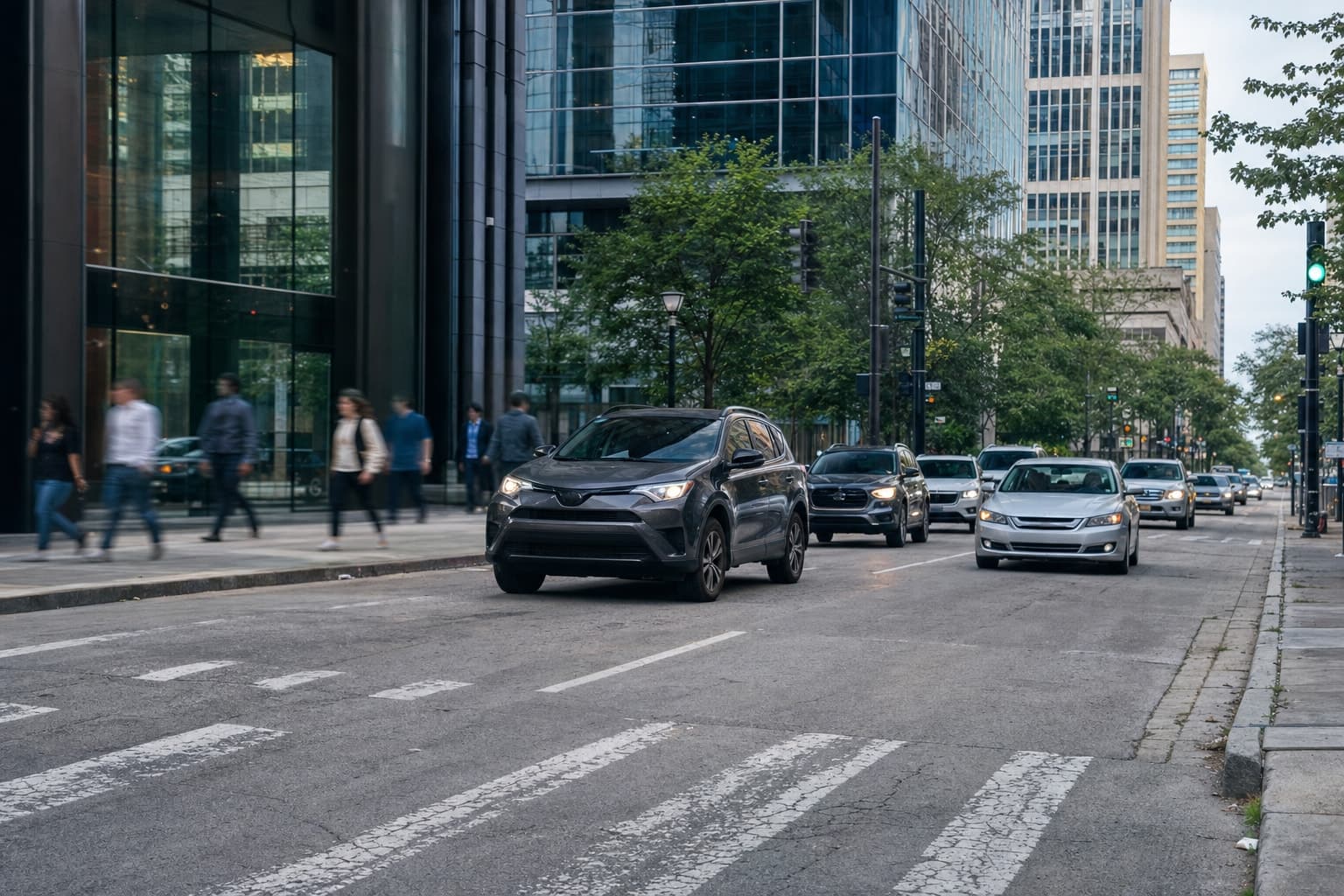
A tighter local market changes how you shop. For car insurance in San Francisco, the issue is less learning California basics and more finding a carrier that is comfortable with dense street parking, steep grades, short urban trips, and occasional bridge or peninsula commuting. Two drivers with the same vehicle can need different deductibles and physical damage choices depending on whether the car lives in a garage in Pacific Heights, on the street in the Mission, or moves daily through SoMa and the Embarcadero. The city’s median household income is $141,446, so many households here have more to lose after a serious at fault crash and should review liability limits with that balance sheet in mind, not just the state minimums. If your household has a newer vehicle, limited off street parking, or another driver who uses the car for frequent neighborhood errands, ask for side by side quotes that change comprehensive, collision, rental reimbursement, and uninsured motorist selections so you can see where the tradeoffs actually are before you buy.
California has a very high climate risk rating. Top hazards: Wildfire (Very High), Earthquake (Very High), Drought (High), Flooding (High). The state's expected annual loss from natural hazards is $9.8B, which influences car insurance premiums and may affect coverage availability in high-risk areas.
What Car Insurance Covers
In California, the most important coverage decision is often not whether you carry insurance, but whether your policy matches the way losses actually happen around you. State minimum liability may be enough to stay legal, yet many drivers need to review what happens if they hit a newer vehicle, trigger a chain-reaction collision, or cause injuries that continue well after the accident date. Raising bodily injury and property damage limits is often the first place to look.
If your car is financed or leased, collision and comprehensive usually deserve close attention because the lender's interest does not disappear after a loss. Even if you own the vehicle outright, those coverages may still make sense if replacing the car from savings would strain your budget. That decision turns on the car's value, your emergency fund, where you park, and how much downtime you can absorb.
California drivers should also think through optional pieces that affect day-to-day disruption after a claim. Rental reimbursement matters differently if you rely on one household vehicle for work or school runs. Roadside assistance may be worth separating from your auto policy if you want to avoid small claims activity on the contract. Medical payments can be worth reviewing if you want a layer for immediate accident-related expenses, depending on your policy terms.
The practical way to review coverage is to map it to your real use: commute miles, neighborhood parking conditions, teen or occasional drivers, and whether wildfire, flood, or falling-object exposure changes the value of comprehensive. Ask for two versions of the same quote so you can see your current limits and higher liability options side by side.
Coverage Included

Liability
Can help pay for injuries and property damage you cause to others in an accident, coverage most states require drivers to carry.
Collision
Can help pay to repair or replace your car after a crash with another vehicle or object, regardless of fault.

Comprehensive
Typically covers damage to your car from events other than collisions, such as theft, hail, fire, flooding, or hitting an animal.

Uninsured Motorist
May pay for your injuries and, in some states, car damage when an at-fault driver has no insurance or too little.

Medical Payments
Can help cover medical bills for you and your passengers after an accident, no matter who was at fault.
Rental Reimbursement
May pay for a rental car while your vehicle is in the shop for repairs after a covered claim.
Car Insurance Cost in San Francisco
Average Cost in California
$110 - $300
per month
In California, car insurance premiums typically run $110 - $300 per month, which tends to run 21% above the national range of $110 - $230 per month.
- Driving record and age
- Vehicle make, model, and year
- Location and commute distance
- Credit-based insurance score
- Coverage limits and deductibles
Contact CPK Insurance for a personalized quote.
Prices shown are general estimates, not guaranteed rates or quotes. Your actual premium will depend on the insurer, coverage selected, personal details, location, claims history, and other underwriting factors. Learn about our pricing methodology.
Cost in California depends less on a national average and more on how your own risk profile is priced. Many drivers see premiums from $110 to $300 per month, depending on vehicle type, garaging location, annual mileage, driving history, selected limits, deductibles, and whether the policy includes collision and comprehensive. That means a household with two cars and a clean record might budget near the lower end, while a single driver with a recent ticket and full coverage could land closer to the top. Your actual quote depends on how each of those factors applies to your household.
A small change in structure can move the premium more than people expect. Higher liability limits usually cost more, but they may be worth it if you have income, savings, or a home to protect from a larger claim. Lower deductibles reduce out-of-pocket cost after a covered loss, yet they also push the monthly premium upward. If your car's market value has dropped, it may be time to test whether carrying physical damage coverage still makes financial sense.
California-specific use patterns also matter. Long commutes, frequent freeway driving, street parking, multiple household drivers, and a financed vehicle can all change the quote. So can a recent ticket, prior lapse, or adding a young driver. If you use your car for delivery, rideshare, or other business activity, your personal auto quote may need a closer review so there is no mismatch between use and policy terms.
The best way to shop is to hold the variables steady. Keep the same drivers, address, vehicle, deductibles, and limits across each option. Then test one change at a time, such as higher property damage limits or a different comprehensive deductible, so you can see what each decision actually costs before you bind coverage.
What Makes San Francisco Different
Density is the difference here. In a compact city, a car is more likely to face low speed contact losses, parking damage, glass claims, and theft related concerns than long rural mileage. That changes the buying calculus because the right question is often not whether you carry physical damage coverage, but how you set deductibles and whether your daily parking situation makes a higher out of pocket choice realistic. If your car spends nights on the street, review comprehensive and collision together instead of dropping one in isolation. If it stays in a secured garage and you drive sparingly, test higher deductibles and compare the savings against what you could comfortably absorb after a claim. The goal is to match coverage to how the vehicle is actually stored and used across neighborhoods, not to assume a statewide template fits a dense urban block.
Our Recommendation for San Francisco
Start with your parking reality, then work outward. Tell the agent whether the vehicle is garaged, parked in a shared structure, or left curbside most nights, because that detail can change which deductible setup makes sense. Next, review liability limits against your household finances. In a city with relatively high household earnings, a minimum limit decision can leave a larger gap than many drivers expect after an injury claim or multi vehicle loss. If you commute beyond the city a few days a week, mention the bridges, freeway segments, and annual mileage instead of estimating loosely. If another household member regularly uses the car for errands, school runs, or client visits, list that use clearly so the quote matches real exposure. Before renewing, ask for one comparison that keeps limits the same and only changes deductibles, and another that keeps deductibles the same and raises liability limits. That makes the tradeoff easier to judge.
Get Car Insurance in San Francisco
Enter your ZIP code to compare car insurance rates from carriers in San Francisco, CA.
Car insurance starting at $59/mo
FAQ
Frequently Asked Questions
San Francisco drivers often should review higher liability limits because local household finances can raise the stakes after a serious crash. It is worth comparing minimum limits against options that better match your assets, income, and how much risk you could absorb after a claim.
San Francisco parking habits can change the quote structure you should review. A car kept on the street most nights may justify a different comprehensive, collision, and deductible setup than a similar vehicle stored in a secured garage.
San Francisco driving patterns matter because insurers price for how the vehicle is actually used, not just where you live. If you mix neighborhood errands with bridge or peninsula commuting, ask for quotes built around that real mileage and route pattern.
San Francisco County has 33,513 business establishments, so many drivers mix personal errands with meetings, client visits, or shift work. If your car supports any regular work routine, disclose that use clearly and confirm whether your personal policy fits it.
San Francisco County business mix includes professional, scientific, and technical services at 21.8%, accommodation and food services at 12.6%, and health care and social assistance at 10.3%. Those schedules often mean irregular hours, client travel, or frequent short trips, so usage details matter on a quote.
California drivers can meet the legal floor with the state's minimum liability limits, but that may not go far if you damage a newer vehicle or cause injuries. It is worth pricing higher liability limits before you renew.
California drivers who park outside should review comprehensive based on theft, falling objects, weather-related damage, and local hazard exposure. The right choice depends on your car's value, deductible, and whether you could replace the vehicle from savings.
California shoppers should compare the same quote twice, once with current limits and once with higher liability limits. That side-by-side view shows whether a modest premium change closes a much larger financial gap after a serious crash.
Sources
- 1.U.S. Census Bureau, ACS 5-Year Estimates, table B19013(The city’s median household income is $141,446, so many households here have more to lose after a serious at fault crash and should review liability limits with that balance sheet in mind, not just the state minimums.)
- 2.U.S. Census Bureau, County Business Patterns, San Francisco County(San Francisco County has 33,513 business establishments, so many drivers mix personal errands with meetings, client visits, or shift work.; San Francisco County business mix includes professional, scientific, and technical services at 21.8%, accommodation and food services at 12.6%, and health care and social assistance at 10.3%.)
Updated July 5, 2026