








































Updated July 16, 2026

Commercial Truck Insurance in San Francisco
A tighter local market changes how you shop. Some carriers like straightforward service vans and light delivery units here, but hesitate on heavier trucks, garaging constraints, or routes that mix downtown loading with bridge and peninsula work. That means your policy is often less about finding a generic quote and more about presenting clean operating details up front: where units are parked, what hours drivers load, which neighborhoods they enter, and whether you need certificates fast for a building, venue, or vendor agreement. You can usually get farther by organizing your vehicle schedule, driver list, garaging address, and any contract insurance requirements before you shop. When your trucks serve tight urban routes, ask each carrier how it handles frequent stops, curb access, and overnight parking. That lets you compare appetite, not just price.
Commercial Truck Insurance Risk Factors in San Francisco
San Francisco's top risk factors include Wildfire risk, Drought conditions, Power shutoffs, and Air quality events.
California has a very high climate risk rating. Top hazards: Wildfire (Very High), Earthquake (Very High), Drought (High), Flooding (High). The state's expected annual loss from natural hazards is $9.8B, which influences commercial truck insurance premiums and may affect coverage availability in high-risk areas.
What Commercial Truck Insurance Covers
Commercial truck insurance in California is built around how your trucks operate on state roads, in yards, and across shipper contracts. Motor carrier liability can serve as the core protection for many trucking risks, and it is the piece most often connected to commercial truck insurance requirements when a shipper, broker, or motor carrier agreement calls for proof of financial responsibility. Physical damage coverage can help protect your tractor or trailer from collision-related losses. Cargo insurance may help cover goods in transit, which matters for freight moving through high-theft and high-traffic areas. Trailer interchange coverage may apply when you are responsible for a trailer under an interchange agreement. Bobtail coverage or non-trucking liability may apply when a tractor is being driven outside dispatch. The Department of Insurance regulates the market rather than setting one one-size-fits-all trucking policy. Commercial auto minimums in California changed this year, but those minimums do not automatically match what a shipper, broker, or motor carrier contract may require. Policies also vary by whether you run a semi-truck, tractor-trailer, box truck, flatbed, dump truck, tanker, refrigerated truck, or delivery van.
Coverage Included

Motor Carrier Liability
Can help cover injuries and property damage your truck causes to others, a coverage federal regulators require most for-hire carriers to maintain.
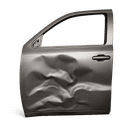
Physical Damage
Can help pay to repair or replace your own truck after an accident, fire, theft, or vandalism.
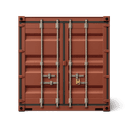
Cargo Coverage
May pay for damage to or theft of the freight you are hauling while it is in your care.
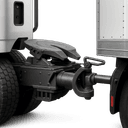
Trailer Interchange
Can help cover damage to trailers you haul under an interchange agreement but do not own.

Bobtail Coverage
May provide liability protection when you drive your tractor without a trailer attached, such as after dropping off a load.

Non-Trucking Liability
Can help cover accidents that happen when you use your truck for personal errands rather than dispatched work.
Commercial Truck Insurance Cost in San Francisco
Average Cost in California
$575 - $1,675
per month
Businesses in California typically see commercial truck insurance premiums of $575 - $1,675 per month, which tends to run 48% above the national range of $400 - $1,125 per month.
- Radius of operation
- Commodities hauled and cargo value
- Number and value of power units
- Driver motor vehicle records and CDL experience
- DOT safety record, inspections, and FMCSA scores
- Liability limits and physical damage deductibles
Contact CPK Insurance for a personalized quote.
Prices shown are general estimates, not guaranteed rates or quotes. Your actual premium will depend on the insurer, coverage selected, business details, location, claims history, and other underwriting factors. Learn about our pricing methodology.
California pricing runs higher than the baseline used nationally, which means you should expect to pay more per truck than you would in many other states. Route density, the truck's use pattern, claims history, coverage limits, deductible choices, endorsements, and the risk profile tied to the freight you haul all influence your final premium. The state's exposure to natural disasters can affect insurer appetite and how they view garaging locations and operating territory. California's auto loss environment also plays a role. Reckless driving, speeding, and following too closely are among the leading causes of crashes in the state. That means underwriters pay close attention to route exposure and driver history when pricing your policy. If your operation runs in higher-theft or higher-traffic corridors, or if you need cargo coverage, trailer interchange, or physical damage protection, your premium can move higher depending on the risk.
Industries & Insurance Needs in San Francisco
San Francisco County's business mix changes who asks for truck coverage details and how fast they ask for them. The county has 33,513 business establishments, so even small fleets often work in an environment where landlords, general contractors, venues, and commercial customers want certificates before deliveries or service starts. The leading sectors are professional, scientific, and technical services at 21.8%, accommodation and food services at 12.6%, and health care and social assistance at 10.3%, so local trucking demand often centers on scheduled deliveries, equipment moves, food distribution, linen runs, medical supply transport, and service vehicles supporting office and care facilities. That mix usually rewards a policy review focused on hired and non-owned auto exposure, additional insured requests tied to contracts, and limits that fit the accounts you are trying to win, not just the truck you drive.
What Makes San Francisco Different
In many markets, a truck policy is mainly about the vehicle, radius, and driver file. Here, the buying decision often turns on how quickly your coverage can stand up to contract review by property managers, commercial tenants, event operators, health-related facilities, and higher-end customers who expect paperwork to be clean before access is granted. San Francisco's median household income is $141,446, so a meaningful share of your customer base likely expects clean paperwork and quick turnaround. You do not automatically need the highest limits available, but you should review certificate turnaround, named insured accuracy, and waiver language if requested. Check whether your auto policy coordinates with general liability or inland marine when you move tools, equipment, or customer property between sites.
Our Recommendation for San Francisco
Lead with how your operation actually runs day to day. List each truck, its garaging address, assigned drivers, and typical delivery windows, including the kinds of sites you enter and any access constraints they impose. Then ask for a quote review that tests carrier appetite for stop frequency, parking arrangements, and contract certificate demands. If you use personal vehicles for errands or supervisors visit job sites in their own cars, ask whether hired and non-owned auto should be reviewed alongside your truck policy. If you carry tools, temperature-sensitive goods, or customer equipment, separate those exposures clearly so they are not assumed to sit inside auto coverage. Before binding, request sample certificates and confirm how quickly changes can be issued, because the practical value of the policy here often shows up when a site will not let your truck through the gate without the right paperwork.
Get Commercial Truck Insurance in San Francisco
Enter your ZIP code to compare commercial truck insurance rates from carriers in San Francisco, CA.
Business insurance starting at $25/mo
FAQ
Frequently Asked Questions
San Francisco accounts often involve tight access, frequent stops, and strict site rules, so carriers usually want clear garaging, route, and driver details before they quote. If you organize that information early, you can compare appetite and certificate responsiveness more accurately.
San Francisco County has 33,513 business establishments, which means a large pool of commercial customers may require proof of coverage before deliveries, loading access, or service begins. Ask how fast certificates and insured changes can be issued before you bind.
San Francisco contract work often turns on customer requirements, not just vehicle value. Review liability limits, additional insured requests, and any hired and non-owned auto exposure so your policy matches the accounts you are trying to keep or win.
San Francisco County's leading sectors are professional, scientific, and technical services at 21.8%, accommodation and food services at 12.6%, and health care and social assistance at 10.3%. In practical terms, that mix means your trucks may be running scheduled deliveries, service calls, food distribution, or medical supply runs, each with different access and exposure concerns.
San Francisco's median household income is $141,446, which tells you a large share of potential clients are accustomed to professional vendors and tight contract standards. Review certificate handling, named insured accuracy, and any contract language early, because administrative delays can cost you access to a job or account.
In California, the policy can be built around motor carrier liability, physical damage, cargo coverage, trailer interchange, bobtail coverage, and non-trucking liability insurance, depending on how your truck is used and what your contracts require.
California commercial auto minimums are $30,000/$60,000/$15,000, and the policy must also fit any shipper, broker, or motor carrier contract that requires higher liability limits or specific endorsements.
The premium range in California starts at roughly $575 to $1,675 per month per truck, but the final price varies by limits, deductibles, claims history, garaging location, freight type, and endorsements.
Sources
- 1.U.S. Census Bureau, County Business Patterns, San Francisco County(San Francisco County has 33,513 business establishments, so even small fleets often work in an environment where landlords, general contractors, venues, and commercial customers want certificates before deliveries or service starts.; The leading sectors are professional, scientific, and technical services at 21.8%, accommodation and food services at 12.6%, and health care and social assistance at 10.3%, so local trucking demand often centers on scheduled deliveries, equipment moves, food distribution, linen runs, medical supply transport, and service vehicles supporting office and care facilities.)
- 2.U.S. Census Bureau, ACS 5-Year Estimates, table B19013(San Francisco's median household income is $141,446, so many accounts operate in a market where clients expect professional documentation, higher service standards, and less tolerance for coverage gaps that slow a job or delivery.)
Updated July 16, 2026





