







































Updated July 5, 2026

Dealer Open Lot Insurance in San Francisco
Are you asking whether dealer open lot insurance in San Francisco needs a different review than it would in a lower-density market? Yes. Here, the way vehicles are stored, moved, and shown often matters as much as the unit count on your lot.
A local dealer may be working with a compact frontage, off-site overflow, valet-style vehicle movement, and tighter curb, garage, or alley access than a suburban operation. That changes how you should present your inventory controls, key handling, overnight storage plan, and any split between owned locations and borrowed or shared space. It also changes what an underwriter will want clarified before quoting.
The customer base can shift the conversation too. Local household income can support higher-value inventory, option packages, and reconditioning spend, so the stakes rise if a single loss hits multiple units. Instead of treating this like a basic lot schedule, review where vehicles sit after hours, who moves them, how often units are relocated, and whether your declared values still match the mix you are actually carrying before you request terms.
Dealer Open Lot Insurance Risk Factors in San Francisco
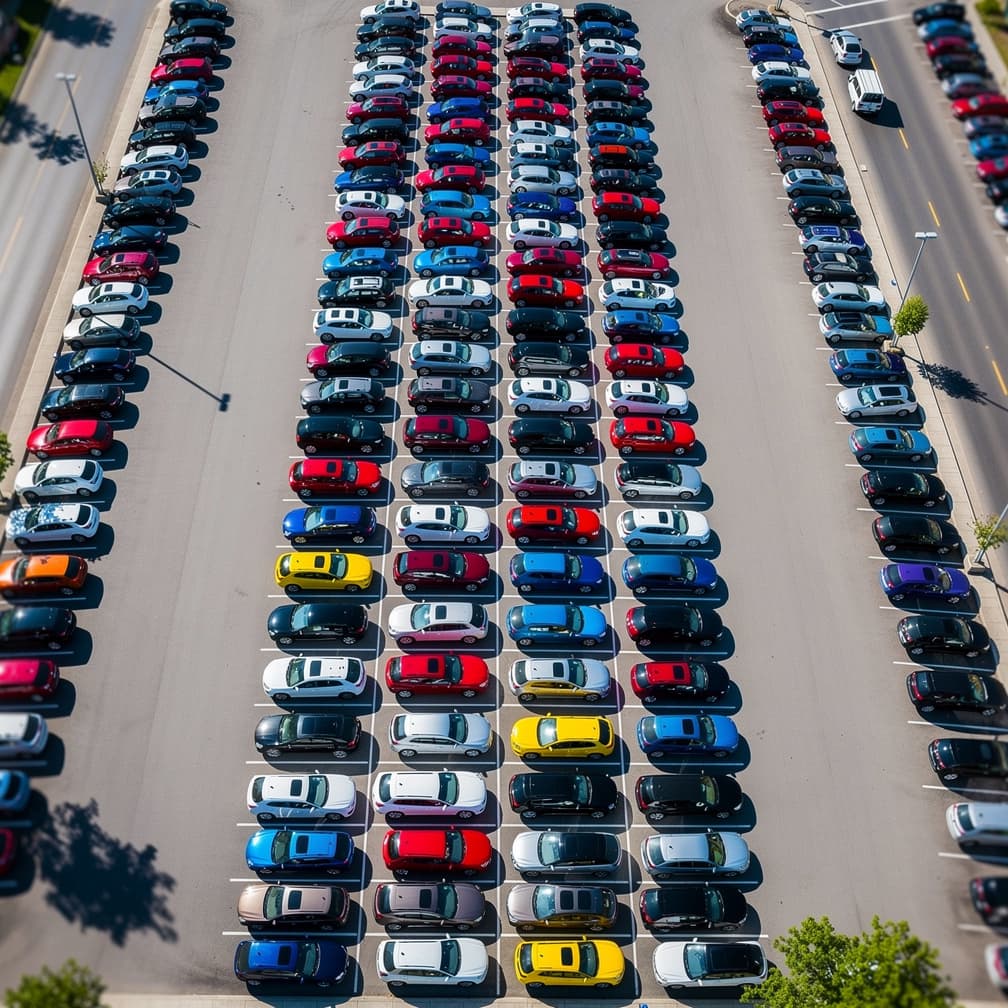
Local storage density is the practical risk issue here. In a compact urban market, vehicles may be parked closer together, rotated more often, and stored across more than one address or access pattern, so a small operational mistake can affect several units instead of one. That is worth spelling out before you bind coverage. State-level hazard exposure still matters in California, but the city-specific buying decision is less about naming a single peril and more about documenting how your inventory is physically arranged and supervised day to day. If some vehicles sit in a garage, on a rooftop deck, in a rear lot, or at an overflow address, ask for each setup to be reviewed the way it is actually used. You should also confirm who has keys, where vehicles are left overnight, how test drives are controlled, and whether any units are regularly moved between locations. Clear location and handling details can prevent a quote from being built around assumptions that do not fit your operation.
California has a very high climate risk rating. Top hazards: Wildfire (Very High), Earthquake (Very High), Drought (High), Flooding (High). The state's expected annual loss from natural hazards is $9.8B, which influences dealer open lot insurance premiums and may affect coverage availability in high-risk areas.
What Dealer Open Lot Insurance Covers
The useful coverage review is less about repeating the basic causes of loss and more about pressure-testing where your inventory is most exposed. Start with the addresses where vehicles are kept. A dealership with one fenced lot and no offsite storage is underwritten differently from an operation that splits inventory between a retail frontage, a back lot, a recon vendor, and a seasonal overflow location. If your units move between those places during the week, ask how the policy treats ordinary transfers, loading activity, and temporary stops.
You should also review how the policy handles hazard patterns specific to your area. In some regions, wildfire smoke, wind-driven events, or fast-moving fire conditions can affect multiple units at once. In other areas, theft, vandalism, or civil disturbance may be the more practical concern. Near the coast, salt air and weather exposure can change how long vehicles sit outside before sale-ready prep is complete. Underwriters look closely at concentration of values, security controls, and whether losses are more likely to hit one unit or many.
Ask direct questions about any exclusions or sublimits tied to unattended vehicles, open storage, off-premises locations, and employee handling. If you use port-adjacent storage, hillside lots, or dense urban parcels with limited setbacks, say so early. A quote works better when the carrier sees the real storage map, the normal movement pattern, and the points where keys, titles, and vehicles can separate. That is where claim disputes often start, so it is worth clarifying early.
Coverage Included

Weather Damage
Covers hail, wind, flood, and storm damage to lot inventory.
Theft Protection
Covers vehicles stolen from your lot.

Fire Damage
Covers fire and explosion damage to inventory vehicles.

Vandalism
Covers intentional damage to vehicles on your lot.
Test Drive Coverage
Covers vehicles during customer and employee test drives.
Transit Coverage
Covers vehicles being moved between lot locations.
Industries & Insurance Needs in San Francisco
San Francisco County has 33,513 business establishments, and the leading sectors by establishment share are professional, scientific, and technical services at 21.8%, accommodation and food services at 12.6%, and health care and social assistance at 10.3%. For a dealer, that county business mix points to a customer base that often values convenience, quick transactions, and vehicles suited to commuting, service calls, hospitality use, or professional image.
That matters because inventory turnover and showing practices can shape your exposure. If your operation relies on appointments, delivery-style handoffs, off-site demonstrations, or frequent repositioning to fit local buyer expectations, your insurance review should describe those routines clearly. A quote built as if every unit simply sits on one open lot can miss how your stock is actually handled. Before you shop terms, map out where vehicles are displayed, where they are stored, and how often staff move them during a normal week.
What Affects Dealer Open Lot Rates in San Francisco
San Francisco median household income is $141,446, so some dealers here lean into newer models, premium trims, or higher-ticket used inventory to match local demand. That does not create a fixed price by itself, but it can change the loss severity discussion because the declared value tied to each unit may be higher.
For dealer open lot insurance, that means your quote request should not stop at vehicle count. You should separate average unit value from peak inventory value, note any concentration of luxury or specialty vehicles, and explain whether overflow storage holds your most expensive units or your slower-turn stock. If your inventory mix has moved upmarket, an older schedule can understate the exposure you are asking the policy to carry. A cleaner submission usually starts with current inventory values by location, not a rough estimate based on last quarter's mix.
What Makes San Francisco Different
Density is what changes the calculus here. In San Francisco, dealer open lot insurance is less about a wide suburban lot and more about how inventory is controlled across constrained space, multiple parking arrangements, and frequent vehicle movement.
That affects both underwriting and your own buying decisions. A carrier may be comfortable with your total inventory value, then hesitate because the submission does not explain stacked parking, garage storage, shared access, or overflow kept away from the main sales address. The issue is not just where the cars are, but how consistently those locations are documented and supervised.
Space competition is real and many businesses operate in tighter footprints. For a dealer, that makes off-site storage and nontraditional display patterns more plausible, which means your policy review should focus on exact addresses, security routines, and whether values are allocated realistically across locations. If your operation uses space creatively, say so early and specifically when you request a quote.
Our Recommendation for San Francisco
Start with a location-by-location inventory review, not a single total. If you keep vehicles at the storefront, in a nearby garage, at overflow parking, or at a service partner's address, ask for each setup to be reviewed so the quote matches your real storage pattern.
Next, tighten your valuation process. In a market where buyers may expect better-equipped vehicles, stale declared values can leave a gap between what is on the ground and what the policy is built around. Use current inventory reports, note your highest-value units, and flag any concentration of premium models at one address.
Then document movement controls. If staff shuttle vehicles for detailing, photos, appointments, or limited-space parking rotation, explain that workflow in plain language. Underwriters usually respond better to a specific operating picture than to a generic statement that cars are "stored securely."
Before binding, compare the quote against your actual overnight storage map, key control process, and any borrowed or shared premises. That is often where a local dealer finds the mismatch worth fixing.
Get Dealer Open Lot Insurance in San Francisco
Enter your ZIP code to compare dealer open lot insurance rates from carriers in San Francisco, CA.
Business insurance starting at $25/mo
FAQ
Frequently Asked Questions
San Francisco dealers should disclose more than unit count. If vehicles are split between a frontage, garage, or overflow address, the quote should reflect each storage setup, overnight routine, and who controls keys and vehicle movement.
San Francisco dealers often need closer valuation review because local household income can support higher-value vehicles and trims. If your schedule understates current unit values, a loss review can become harder than it needs to be.
San Francisco County business density can affect how you store inventory. Tighter commercial footprints often push dealers toward off-site storage or shared-access parking, which should be described clearly before you accept terms.
San Francisco dealers should mention them if those routines are normal. A quote built around one static lot may miss how vehicles are actually displayed, rotated, or handed off during a typical week.
San Francisco County's leading sectors include professional, scientific, and technical services at 21.8%, accommodation and food services at 12.6%, and health care and social assistance at 10.3%. That mix can support convenience-focused buying patterns, so review whether your storage and showing process fits how you sell.
Landlords, floorplan lenders, and some auction partners commonly ask for proof before space, funding, or vehicle release moves forward. They want confirmation that inventory collateral and business arrangements are not left exposed if a loss interrupts operations.
Dealers usually should disclose every place inventory is stored, even overflow or temporary sites. A quote is more reliable when covered locations match where vehicles actually sit overnight, move for reconditioning, or wait for auction, transport, or frontline placement.
Hazard conditions can change the underwriting conversation because one event may damage multiple units at one address. That is why location details, concentration of values, and security controls matter so much when you compare deductibles, limits, and location-specific terms.
Sources
- 1.U.S. Census Bureau, ACS 5-Year Estimates, table B19013(San Francisco median household income is $141,446.)
- 2.U.S. Census Bureau, County Business Patterns, San Francisco County(San Francisco County has 33,513 business establishments.; The leading sectors in San Francisco County by establishment share are professional, scientific, and technical services at 21.8%, accommodation and food services at 12.6%, and health care and social assistance at 10.3%.)
Updated July 5, 2026





