Updated July 16, 2026

On-Hook Towing Insurance in San Francisco
High operating costs change how you set limits in San Francisco. With median household income at $141,446, the vehicles you tow tend to carry higher actual cash value, which means a single damage claim against a late-model SUV can run well into five figures. The real question is whether your per-vehicle limit and deductible fit what your drivers actually move through dense streets, garages, and curbside pickups. If your work includes hotel valets, private property jobs, or roadside calls, review whether your policy language matches those dispatch patterns. Tight clearances and limited staging room can raise the chance of contact damage during loading and unloading, so factor that into your limit decision. Before you renew, line up your highest-value routine tow, your deductible tolerance, and the contracts that require proof of coverage.
On-Hook Towing Insurance Risk Factors in San Francisco
San Francisco's top risk factors include Wildfire risk, Drought conditions, Power shutoffs, and Air quality events.
California has a very high climate risk rating. Top hazards: Wildfire (Very High), Earthquake (Very High), Drought (High), Flooding (High). The state's expected annual loss from natural hazards is $9.8B, which influences on-hook towing insurance premiums and may affect coverage availability in high-risk areas.
What On-Hook Towing Insurance Covers
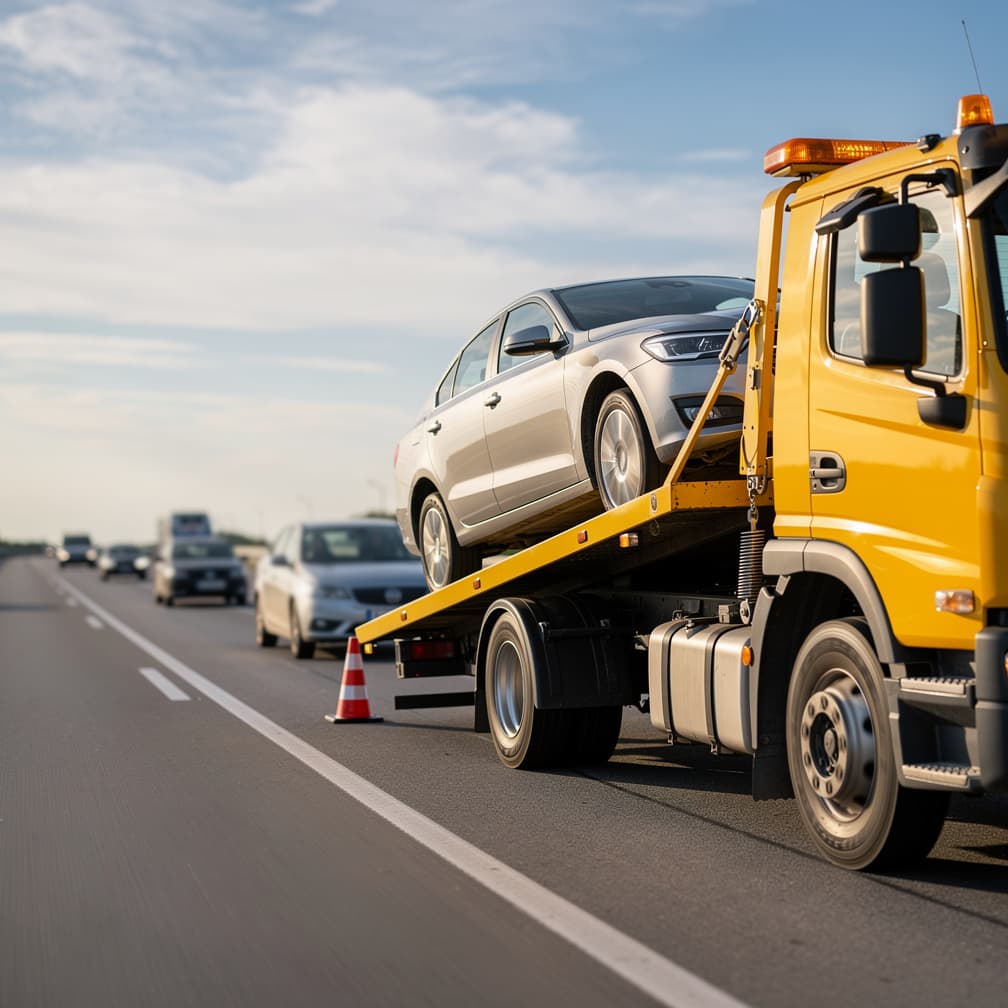
In this state, coverage review often means looking closely at urban pickups with tight curb access, freeway shoulder work with limited room to load, mountain or canyon routes where grade and braking matter, and longer transports between metro areas where a small loading issue can turn into a larger claim by the time you arrive.
For many towing operations, the important review points are the vehicle types you accept, the equipment you use to move them, and the handoff points where responsibility can be disputed. If you tow low-clearance cars, luxury vehicles, motorcycles, electric vehicles, or heavier commercial units, ask how those exposures are treated. If you run both flatbeds and wheel-lifts, make sure the quote reflects both. If your drivers perform winching, recovery, dealer transfers, impounds, or police-directed tows, ask whether those job types change underwriting appetite or require added review.
Regional conditions also make route and hazard planning part of coverage review. Wildfire zones, flood-prone streets, earthquake-related roadway damage, and mudslide areas can complicate access, loading, and unloading. Those conditions do not change every policy the same way, so you should ask how claim handling works if a loss involves evacuation conditions, blocked roads, or unstable surfaces. Before committing, compare exclusions, deductibles, reporting timelines, and any requirements for photos, dispatch logs, or signed condition reports. That gives you a policy you can actually use when a customer disputes when damage occurred.
Coverage Included

Collision on Hook
Covers damage to towed vehicles from collisions during transport.

Comprehensive on Hook
Covers theft, fire, and weather damage to vehicles being towed.
Loading & Unloading
Covers damage during the process of loading and unloading vehicles.

Winching Coverage
Covers damage to vehicles during winching and recovery operations.
Multiple Vehicle
Covers all vehicles on multi-car carriers and rollback flatbeds.
Industries & Insurance Needs in San Francisco
County business mix matters because it shapes who calls you and what sits on the hook. San Francisco County has 33,513 business establishments, and its largest establishment shares are professional, scientific, and technical services at 21.8%, accommodation and food services at 12.6%, and health care and social assistance at 10.3%. That mix points to steady demand around offices, hotels, restaurants, clinics, and care facilities, so your book of business may lean toward parking structure recoveries, private property removals, and short-distance relocations instead of only highway breakdowns. For insurance buying, that means you should describe your actual dispatch profile in detail, including garage entries, tight turns, after-hours pickups, and whether you handle higher-value employee or guest vehicles. A generic towing description can miss the severity potential that underwriters are trying to price.
What Makes San Francisco Different
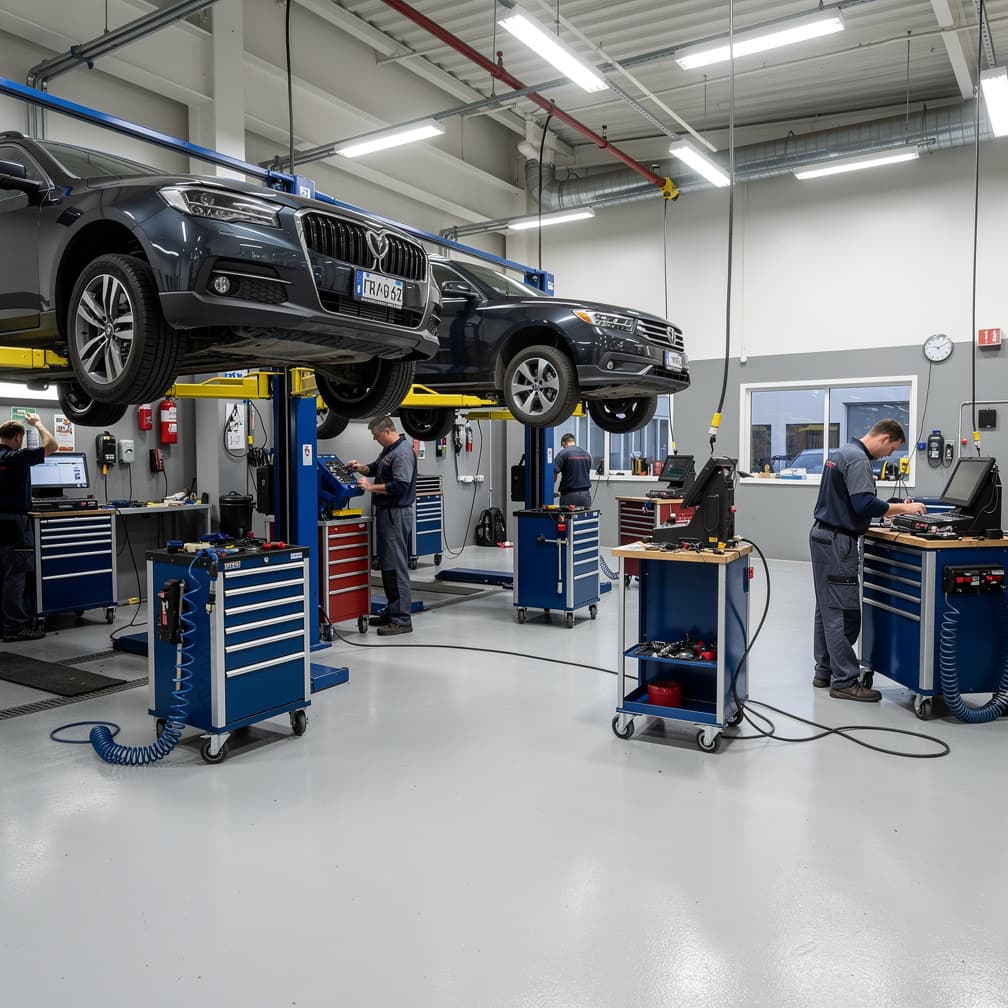
In a market built around curb management, garages, mixed-use blocks, and limited staging room, a routine tow can involve more low-speed maneuvering and more opportunities for body or undercarriage damage before the vehicle is fully secured. On-hook exposure is not only about long transport distance but also about the moments during hookup and release when space is tight and bystanders, posts, gates, and adjacent vehicles are close. If your operation spends more time in parking structures and tight urban lots than on open road miles, review whether your per-vehicle limit still makes sense for the cars you most often handle. A deductible that works for a catastrophic loss may still strain cash flow when small and mid-sized urban handling claims happen frequently.
Our Recommendation for San Francisco
Pull your dispatch log and break out the jobs you actually run, from private property work and roadside calls to garage recoveries and dealer moves. Then consider matching your on-hook limit to the highest-value vehicle you are willing to accept on a normal day, not the average sedan you moved last week. If your drivers regularly enter parking structures or work around hotels, medical offices, and office buildings, ask for policy wording to be reviewed against loading, unloading, and storage-adjacent handoffs so there is less ambiguity after a loss. Aim to keep your deductible at a level your cash flow can absorb without delaying repairs or a customer settlement discussion. If a municipal program, landlord, or fleet client asks for proof, try to make sure the certificate request matches the named insured and operations description before the truck rolls.
Get On-Hook Towing Insurance in San Francisco
Enter your ZIP code to compare on-hook towing insurance rates from carriers in San Francisco, CA.
Business insurance starting at $25/mo
FAQ
Frequently Asked Questions
Operators usually set the limit by the highest-value vehicle they routinely tow, not by a minimum they hope will pass review. With median household income at $141,446, the cars and SUVs in your area tend to carry higher replacement value, meaning a standard $10,000 limit may leave you short on a single luxury SUV claim.
It does, because 33,513 establishments mean more commercial dispatch volume concentrated in a small geographic area, and that density translates to more tight-access jobs per shift. If much of your work comes from offices, hotels, restaurants, clinics, or care facilities, tell the underwriter how often you handle garages, curbside pickups, and short relocations.
Applications should describe the work as it happens locally: private property tows, roadside calls, garage recoveries, hotel or office pickups, and any winching or tight-access moves. That detail helps ensure the policy reflects the real handling risk your drivers face.
Certificate requests should match your legal business name, operations description, and the coverage being requested before work starts. If the request comes from a property manager or commercial client, mismatched details can slow approval even when coverage exists.
Landlords, motor clubs, public agencies, dealers, and lenders often ask for proof before they approve yard space, vendor status, rotation access, or truck financing. Bring those contract requirements into the quote process so the policy can be reviewed against what you must show.
Yes, and that regulation works in your favor. It means you have a right to clear policy documents, a formal complaint process, and straightforward claim handling rules. Use those protections by reading exclusions carefully and asking questions about claim steps before committing to coverage.
Pricing can change with your service mix, territory, vehicle types, and documentation practices. Freeway recoveries, mountain routes, parking structure work, and specialty vehicles can all increase claim severity potential, so your quote should reflect the jobs you actually accept.
Contracts often do affect how you should review this coverage, because public agency rotations and impound work can require specific proof, limits, or wording. Provide those documents before quoting so the policy is matched to the contract, not guessed at later.
Sources
- 1.U.S. Census Bureau, ACS 5-Year Estimates, table B19013(San Francisco median household income is $141,446, so the vehicles you tow often sit in a higher repair or total-loss environment.)
- 2.U.S. Census Bureau, County Business Patterns, San Francisco County(San Francisco County has 33,513 business establishments, and its largest establishment shares are professional, scientific, and technical services at 21.8%, accommodation and food services at 12.6%, and health care and social assistance at 10.3%.)
Updated July 16, 2026