
Updated July 5, 2026

Homeowners Insurance in San Jose
Should you buy a larger homeowners policy here just because home prices are high? Usually yes, but the smarter move is to review dwelling, other structures, and personal property limits against local replacement expectations instead of assuming your current limits still fit. Shopping homeowners insurance in San Jose is less about relearning California basics and more about matching coverage to unusually high property values, remodel costs, and the way homes vary from Willow Glen and Almaden Valley to Evergreen and the Rose Garden. The city's median home value is $1,187,800, so a limit that looked adequate a few years ago can leave a bigger gap if you have to rebuild, replace built-in finishes, or restore detached structures after a covered loss. San Jose's median household income is $141,565, which often means higher-value contents, more electronics, and more upgrades that should be scheduled or at least reviewed line by line. Before you request quotes, pull your last declarations page, note any renovations, and check whether your current policy still matches how you actually live in the home.
California has a very high climate risk rating. Top hazards: Wildfire (Very High), Earthquake (Very High), Drought (High), Flooding (High). The state's expected annual loss from natural hazards is $9.8B, which influences homeowners insurance premiums and may affect coverage availability in high-risk areas.
What Homeowners Insurance Covers
A standard policy in California generally includes several core parts. The dwelling portion protects the home's structure, while other structures can apply to detached garages, fences, or similar features on the property. Personal property coverage helps replace belongings after covered fire, theft, or wind damage, and liability coverage can respond if someone is injured on your property. Additional living expenses may help with temporary housing and related costs if a covered loss makes your home unlivable.
California's rules and market conditions make the exclusions especially important. Standard policies do not cover flood damage, so flood insurance is sold separately through NFIP or private flood insurers. Earthquake coverage also requires a separate policy or endorsement. That matters because the state has a very high overall climate risk rating, with very high wildfire and earthquake risk and high flooding risk in some areas. For many homeowners, the coverage decision is less about whether a policy exists and more about whether the limits and endorsements are strong enough for local rebuilding conditions.
In practical terms, you should review dwelling coverage against current reconstruction costs, not just market value. Rebuilding here can cost roughly a third more than in many other states, which means a policy that looks adequate on paper may still be short if wildfire rebuilding, labor, or materials costs rise in your region.
Coverage Included

Dwelling
Repairs or rebuilds your home itself, the walls, roof, floors, built-in appliances, and attached structures like a garage, after a covered loss. Set this limit to the full cost of rebuilding, not market value.
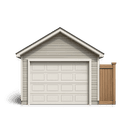
Other Structures
Detached structures on your property, such as a fence, shed, detached garage, or gazebo. Usually set at about 10 percent of your dwelling limit [2].

Personal Property
Your belongings, furniture, clothing, electronics, and appliances, generally written at 50 to 70 percent of your dwelling limit [2]. High-value items like jewelry and art carry special limits.

Additional Living Expenses
Also called loss of use. Pays your added living costs, hotel stays, meals, and a temporary rental, while a covered loss makes your home uninhabitable. Usually set at about 20 percent of your dwelling limit.

Liability
Covers you if someone is injured on your property, or you damage someone else's property, and you are found responsible. The standard $100,000 limit [2] is often raised to $300,000 or $500,000.

Medical Payments
Pays small medical bills, commonly $1,000 to $5,000, if a guest is hurt at your home regardless of fault, without a formal liability claim.
Homeowners Insurance Cost in San Jose
Average Cost in California
$120 - $400
per month
In California, homeowners insurance premiums typically run $120 - $400 per month, which tends to run 44% above the national range of $110 - $250 per month.
- Home replacement cost, age, and construction type
- Roof age, material, and condition
- ZIP code and local weather risk (wind, hail, wildfire, hurricane)
- Coverage limits and endorsements
- All-peril and percentage wind/hail deductibles
- Claims history and insurance score where allowed
Typical range for many standard homeowners profiles; lower-risk homes fall below it and coastal, wildfire, or older-roof homes can run well above. Final pricing depends on property details, location, underwriting, and selected coverage.
Prices shown are general estimates, not guaranteed rates or quotes. Your actual premium will depend on the insurer, coverage selected, personal details, location, claims history, and other underwriting factors. Learn about our pricing methodology.
The price of a policy in California is shaped by the state's risk profile, construction costs, and carrier underwriting, so it can vary widely by home and location. The state average premium range is $120 to $400 per month, compared with a national average of $165. That does not mean every quote will fall near the middle of the range. It simply shows that pricing here can swing based on the property and the insurer.
Several factors can push a quote up or down. Wildfire exposure is a major driver, especially in communities near brush, canyons, or areas with limited evacuation access. Roof age and material, credit-based insurance score, local crime rates, and home security features also affect pricing. Many carriers operate here, which can create more quote variation and help you compare options carefully.
In Sacramento and other inland markets, a property with lower wildfire exposure may price differently than a similar home in a higher-risk foothill area. The most useful comparison is not just monthly price. It is price paired with dwelling limit, deductible, and any needed endorsements.
What Makes San Jose Different
High property values change the calculus here. In many markets, the main question is whether you have a policy at all. Here, the more important question is whether your limits, endorsements, and valuation method still match the house you own and the belongings you keep there. A home with custom cabinetry, upgraded kitchens, hardscape, solar equipment, or a detached office can outgrow an older policy quietly, especially if you have renovated over time and never updated the file. That is why a local review should focus on the parts of the policy that drive claim recovery: dwelling valuation, ordinance or law, water backup options if available, deductible tolerance, and whether jewelry, art, instruments, or collections need separate treatment. If you are buying, refinancing, or renewing, ask for a fresh replacement-cost estimate and compare it against your current declarations page instead of using market value as a shortcut.
Our Recommendation for San Jose
Start with a coverage audit, not a price hunt. Ask for a fresh replacement-cost calculation, then compare it with your dwelling limit, extended replacement features if offered, and any separate limits on detached structures or high-value contents. If you have remodeled a kitchen, added built-ins, upgraded flooring, installed solar, or converted garage space for work or guests, make sure those changes are reflected before renewal. Review your deductible in practical terms: choose an amount you could actually absorb after a covered loss without delaying repairs. Then check whether your personal property assumptions are still realistic for how you live now, especially if you keep expensive electronics, tools, bikes, or jewelry at home. If you are comparing quotes, line up the same deductibles, endorsements, and valuation assumptions first. That makes the comparison useful and helps you spot where a lower premium may simply mean thinner protection.
Get Homeowners Insurance in San Jose
Enter your ZIP code to compare homeowners insurance rates from carriers in San Jose, CA.
Home insurance starting at $50/mo
FAQ
Frequently Asked Questions
San Jose often warrants a closer limit review because the city's median home value is $1,187,800. That does not set your dwelling limit by itself, but it is a strong reason to request a fresh replacement-cost estimate before you bind or renew.
San Jose buyers should consider separate scheduling when household contents include higher-value items that can exceed standard sublimits. The city's median household income is $141,565, so it is worth checking whether jewelry, collectibles, and premium electronics need itemized treatment.
San Jose remodels should trigger a policy review right away. Update dwelling details, detached structures, and any upgraded finishes or built-ins, then ask whether your current valuation method and endorsements still fit the home as it exists today.
San Jose market value is not the same as the amount you should insure. Use a replacement-cost estimate tied to the home's features, materials, and improvements, then compare that figure with your declarations page before making changes.
In California, homeowners insurance may cover the dwelling, other structures, personal property, liability, and additional living expenses if a covered loss makes the home unlivable. It is especially important to confirm how the carrier handles wildfire, wind, theft, and temporary housing costs.
Your actual homeowners insurance cost in California may vary based on the home's location, roof condition, claims history, coverage limits, and deductible.
Mortgage lenders in California usually require proof of homeowners insurance before closing and may require enough dwelling coverage to protect the loaned property. Lenders can also care about deductible levels and whether the policy is active on the closing date.
You are not legally required to carry it if you own the home outright, but California's wildfire, flood, and theft exposure can make it an important financial protection. Without a lender, the decision is up to you, but the risk of a large unreimbursed loss is still real.
Sources
- 1.U.S. Census Bureau, ACS 5-Year Estimates, table B25077(The city's median home value is $1,187,800, so a limit that looked adequate a few years ago can leave a bigger gap if you have to rebuild, replace built-in finishes, or restore detached structures after a covered loss.)
- 2.U.S. Census Bureau, ACS 5-Year Estimates, table B19013(San Jose's median household income is $141,565, which often means higher-value contents, more electronics, and more upgrades that should be scheduled or at least reviewed line by line.)
Updated July 5, 2026