







































Updated July 16, 2026

Inland Marine Insurance in San Jose
Property managers, lenders, venue operators, and prime contractors here often want proof that mobile equipment, installation materials, or client property is insured before they release a dock, approve a certificate, or let work start. For many firms, this coverage is less about theory and more about satisfying those requests with the right scheduled items, transit language, and temporary-location terms for property that does not stay at one address. If you move diagnostic devices between clinics, carry networking gear into office buildouts, stage materials for tenant improvements, or take tools from one commercial site to the next across the valley in the same week, the right wording on a certificate can be the difference between starting on schedule and losing a week. Santa Clara County has 48,879 business establishments. In practical terms, you are usually working in a dense chain of landlords, customers, and subcontractors who expect clean documentation before property changes hands.
Inland Marine Insurance Risk Factors in San Jose
Local risk turns on movement and concentration. In a market where high-value equipment regularly moves through office campuses, medical settings, mixed-use properties, and event spaces, a small gap in how property is described can create a large claim dispute. San Jose's median household income is $141,565, so many households and businesses here own or use higher-value electronics, instruments, and specialized equipment; if your work involves transporting, installing, calibrating, or temporarily storing that property, **item values and valuation method** deserve a close review before loss occurs. Ask whether your policy is written for your own tools only, for customer property in your care, or for materials that become part of a project after delivery. Then confirm where coverage applies: **in transit, while unloaded, and while waiting at a temporary site**.
California has a very high climate risk rating. Top hazards: Wildfire (Very High), Earthquake (Very High), Drought (High), Flooding (High). The state's expected annual loss from natural hazards is $9.8B, which influences inland marine insurance premiums and may affect coverage availability in high-risk areas.
What Inland Marine Insurance Covers
In California, inland marine insurance is designed to follow covered business property when it is away from your primary premises. That matters in a state where businesses may work from Sacramento job sites, warehouse districts in the Bay Area, retail corridors in Southern California, or temporary storage spaces after a project delay. The core coverages address different mobile-property exposures. Tools and equipment is generally aimed at portable items used repeatedly at job sites, while contractors equipment is better suited to larger machines and specialized gear. Goods in transit is the fit for materials or products moving between locations, and installation floater can matter when materials are being installed at a customer site. Builders risk is relevant when materials or structures are under construction rather than in a finished location.
California does not impose a single statewide inland marine mandate, but coverage needs can vary by industry and business size. Because the state has high wildfire and earthquake risk, plus high property crime rates, carriers may pay close attention to where property is stored, how often it moves, and whether temporary storage is part of the operation. A policy may include theft, damage, vandalism, and other covered perils, but the exact terms depend on the form, limits, and endorsements you choose.
Coverage Included
Tools & Equipment
Can help repair or replace hand tools, power tools, and gear that are stolen or damaged on the job or in transit.

Goods in Transit
May cover products, materials, and merchandise while they are being shipped or hauled between locations in your care.
Contractors Equipment
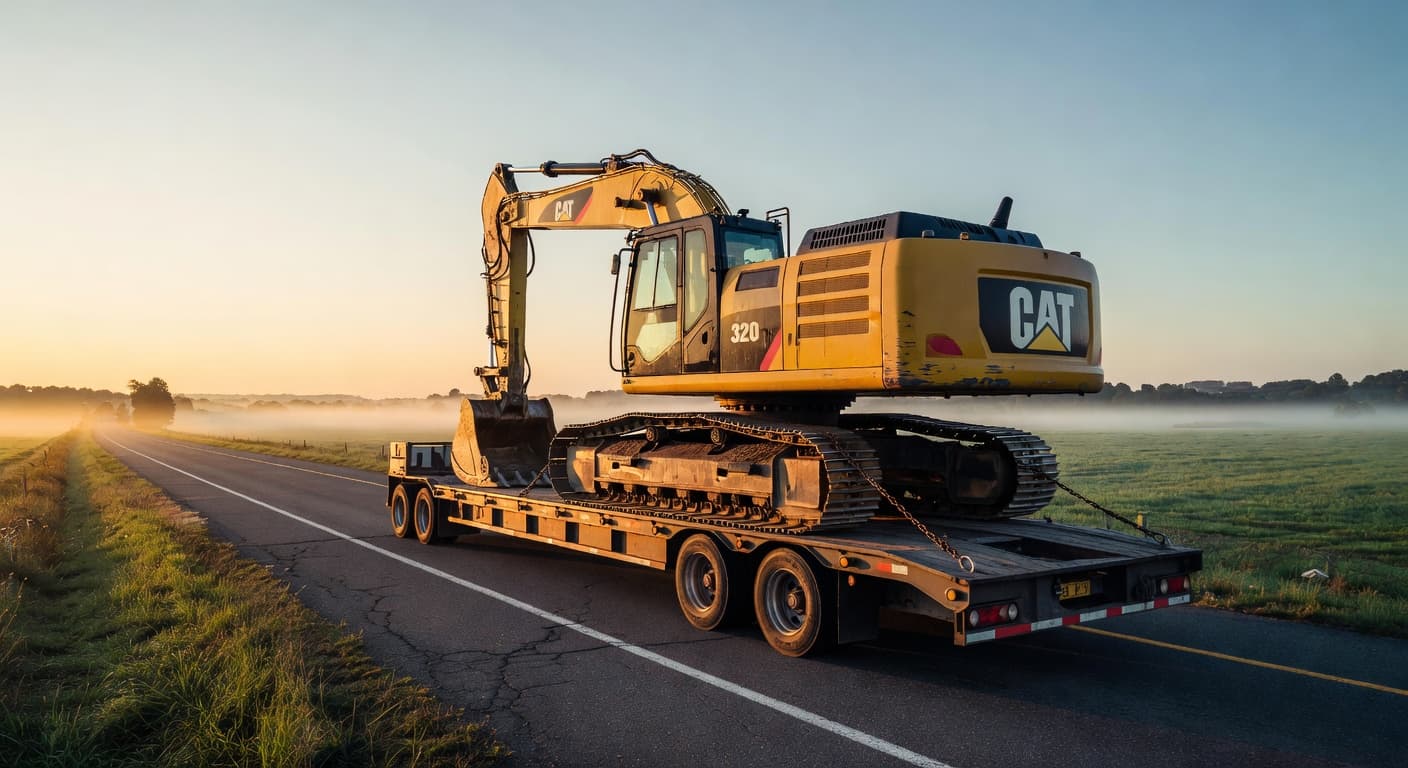
Typically covers heavy machinery like excavators, loaders, and generators against theft or damage at job sites and between them.

Installation Floater
Can help cover materials and fixtures from the moment you buy them until they are installed and accepted at a project.

Builders Risk
May cover a structure under construction, along with materials on site, against damage from fire, wind, theft, and vandalism.
Inland Marine Insurance Cost in San Jose
Average Cost in California
$25 - $140
per month
Businesses in California typically see inland marine insurance premiums of $25 - $140 per month, which tends to run 38% above the national range of $20 - $100 per month.
- Total insured value of the scheduled property
- Type and age of the equipment
- Where it is stored and how far it travels
- Jobsite security and theft prevention
- Per-item limits and deductibles
- Prior theft and in-transit losses
Contact CPK Insurance for a personalized quote.
Prices shown are general estimates, not guaranteed rates or quotes. Your actual premium will depend on the insurer, coverage selected, business details, location, claims history, and other underwriting factors. Learn about our pricing methodology.
Inland marine insurance cost in California depends on the property you schedule, your class of business, and the carrier you choose. California's elevated wildfire risk can push pricing higher for some accounts, especially when property is stored in higher-risk parts of the state or moved through areas with greater loss exposure. Earthquake risk is also very high statewide, and while this coverage is not a substitute for earthquake-specific insurance, carriers may still factor the overall risk environment into underwriting and pricing decisions. The state's crime data also matters because property crime remains elevated, which can influence premiums for tools and mobile business property.
Several factors affect cost: coverage limits and deductibles, claims history, location, industry or risk profile, and policy endorsements. A contractor moving expensive gear between job sites in Sacramento, the Bay Area, and Southern California may see a different rate than a business that only occasionally ships a few items. Because many insurers operate in the state, pricing can differ meaningfully by carrier and comparing multiple quotes is specifically recommended. Availability and appetite vary by risk. Because most California businesses are small operations, many owners benefit from tailoring limits instead of overbuying or underinsuring.
Industries & Insurance Needs in San Jose
The county business mix changes what buyers should schedule and how they should describe it. In Santa Clara County, professional, scientific, and technical services account for 17.8% of establishments, health care and social assistance 12.7%, and accommodation and food services 10.3%. So local inland marine demand often centers on portable electronics, testing and diagnostic equipment, leased or client-owned devices, and materials moving into tenant improvements or hospitality spaces, not just basic contractor hand tools. If your operation serves labs, clinics, offices, restaurants, or hotels, your quote should separate owned equipment, borrowed equipment, installation materials, and customer property instead of rolling everything into one vague limit. That usually gives underwriters a clearer picture of what travels, what stays on site overnight, and what would be hardest to replace after a loss.
What Makes San Jose Different
What changes the buying decision here is the documentation pressure. In many places, this coverage is mainly a back-office decision about replacing tools after theft or damage. Here, it is often also a gatekeeping requirement tied to access, contracts, and handoffs involving higher-value mobile property. With so many commercial relationships packed into one county economy, proof of coverage can become part of how you keep projects moving, especially when equipment enters managed buildings, medical environments, or customer-controlled spaces. That means the buying decision is not just whether you have a limit. It is whether your policy language matches the property you move and the way third parties describe it in contracts.
Our Recommendation for San Jose
Build an inventory around how property actually moves in your day-to-day operations. Track what stays in a vehicle, what gets checked into a site, what sits overnight, and what belongs to a customer. If you install equipment, ask for a quote that distinguishes installation materials from contractor's equipment so a claim does not hinge on vague descriptions later. If you handle client devices, confirm whether customer property in your care is contemplated and how values should be documented. For firms working in managed commercial buildings, line up your certificate requests with your subcontract terms before work starts, because access problems usually show up before claims do. Pull together serial numbers, photos, and replacement values for electronics and specialized instruments that depreciate differently from standard tools. Then request a free, no-obligation quote using the same categories you use in operations, purchasing, and contracts.
Get Inland Marine Insurance in San Jose
Enter your ZIP code to compare inland marine insurance rates from carriers in San Jose, CA.
Business insurance starting at $25/mo
FAQ
Frequently Asked Questions
Local buyers often run into this before site access or material delivery. In a county with 48,879 business establishments, landlords, customers, and upstream contractors commonly want certificates that match the mobile property and temporary-location exposure in your contract.
Itemized scheduling often helps when equipment is specialized, portable, or hard to value after a loss. That is especially important for firms serving offices, clinics, and technical workplaces where replacement cost can differ sharply from generic tool pricing.
Santa Clara County has a heavy concentration of professional, scientific, and technical services at 17.8%, with health care and social assistance at 12.7%. Many buyers in those sectors move instruments, devices, and client property that need clearer descriptions than a basic tools schedule.
Installation exposures are often cleaner to insure when materials that will become part of the project are separated from reusable equipment. Ask whether installation floater wording fits your jobs better than treating everything as contractor equipment.
A closer look at limits and valuation often pays off here. With median household income at $141,565, local homes and businesses may involve higher-value electronics and devices. Underreporting item values can leave a larger gap after a covered loss, which turns a manageable claim into a real setback.
It is designed for business property that leaves a fixed location, including tools, equipment, materials, and goods moving between sites. It can apply at job sites, in transit, at customer locations, or in temporary storage, subject to your specific policy terms.
It may follow covered property away from your main premises, which is important if your work takes you to Sacramento, coastal metros, or inland project sites.
Contractors, electricians, plumbers, landscapers, photographers, caterers, IT service providers, manufacturers, and other businesses that regularly move valuable property are common users. California's large small-business base makes this especially relevant for owners with portable equipment.
Sources
- 1.U.S. Census Bureau, County Business Patterns, Santa Clara County(Santa Clara County has 48,879 business establishments, so you are often working in a dense chain of landlords, customers, and subcontractors that expects clean documentation before property changes hands or enters a controlled site.; In Santa Clara County, professional, scientific, and technical services account for 17.8% of establishments, health care and social assistance 12.7%, and accommodation and food services 10.3%.)
- 2.U.S. Census Bureau, ACS 5-Year Estimates, table B19013(San Jose's median household income is $141,565, so many households and businesses here own or use higher-value electronics, instruments, and specialized equipment.)
Updated July 16, 2026





