







































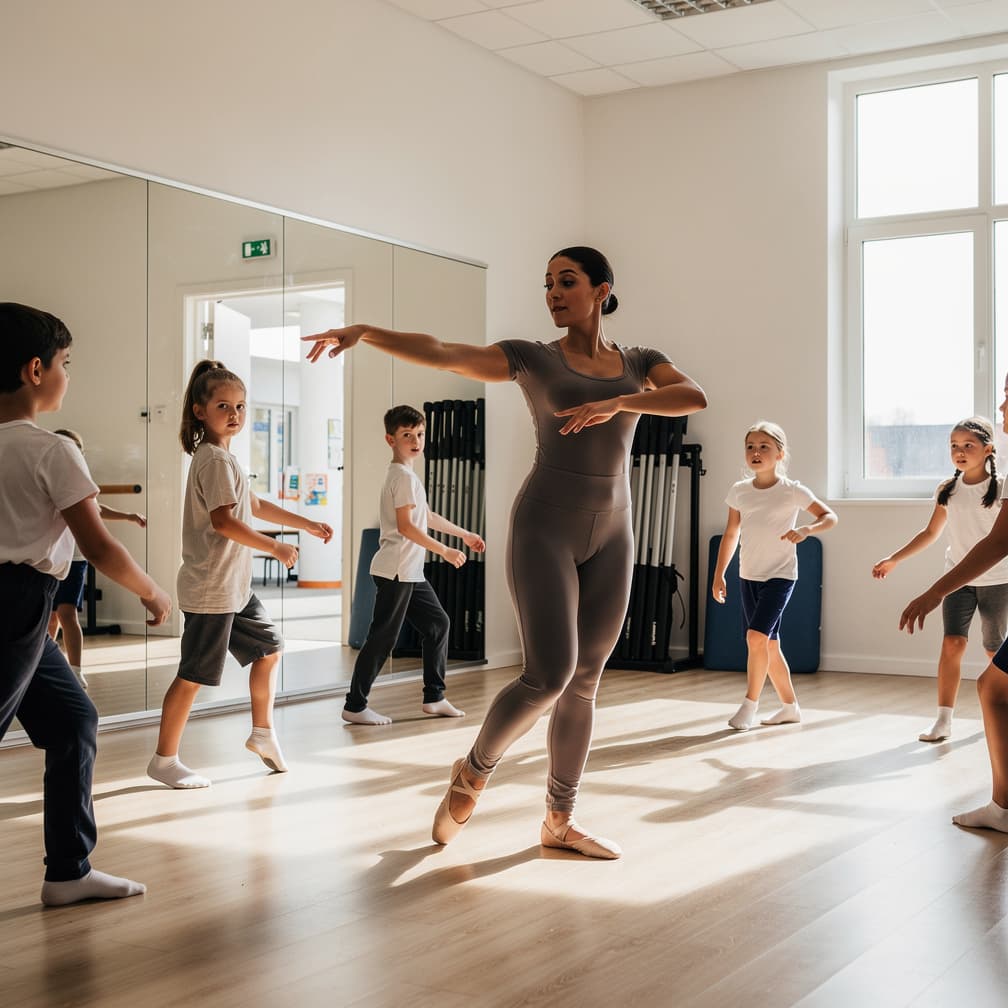

Someone hits the floor hard in almost every class you teach, and nearly always they get up laughing. The exception is what you buy insurance for: a strain during a lift, a landing on an unswept patch of rosin, a torn knee that a family attributes to how you taught the sequence. That last one is not a slip claim at all. It is an allegation about instruction, and the two get argued in different parts of a policy. Dance studio insurance in Santa Clarita should be assembled with that split in mind, before a demand letter forces the question for you. Participating carriers in California do not all draw the boundary between those two allegations in the same place. Costumes, mirrors and the sound rig matter too, but they rarely end a business. Price the exposures that could.
What Makes Santa Clarita Different
A storm week that closes your building does not close the tuition promises you already made. Families expect makeup classes, and makeup classes cost you instructor hours you had not budgeted. That is a revenue problem dressed as a weather problem, and policies treat the two differently. Lost income generally responds after covered physical damage, not after a cautious voluntary closure. If you shut a Santa Clarita studio because roads are bad, there may be no damage to trigger anything. The building was fine, the class was empty, and the loss lands entirely on your side. Ask where that line sits before you buy, because it decides which closures are your own. Then set aside cash for the closures that are, since no form filed in California funds them.
Local Risk Factors in Santa Clarita
Smoke closes doors for a week while the building looks perfectly fine the whole time. Owners assume a closure that obvious must be covered, and lost income coverage is generally tied to physical damage, so an empty studio with clean walls may have no trigger at all. Civil authority coverage exists for orders that close an area, and it usually carries a waiting period and a short duration. Ask how long it runs and what actually counts as an order. A Business Owners Policy in California may include a version of it, and the fine print differs between forms. Find yours before a Santa Clarita season starts rather than during it.
What Coverage Does a Dance Studio in Santa Clarita Need?
General Liability
A parent goes down on a wet lobby floor and wants her medical bills handled. That third-party demand is what this line is generally built for: bodily injury and property damage to people who are not your staff. It typically will not answer an allegation that your instruction caused a student's injury, and it is the coverage a landlord or a venue asks to see named on your certificate.
Example: A sibling waiting for pickup trips over a dance bag in the lobby and fractures a wrist. The family sends medical bills, and general liability may respond to the demand and the defense behind it.
Professional Liability
Premises coverage stops at the edge of this exposure. When a family alleges that a correction, a progression, or a placement you taught caused a student's injury, they are challenging professional judgment rather than the condition of your floor. This line is designed for that allegation and for the cost of defending it. It commonly runs on a claims-made basis, so a lapse can reach backward into teaching you already did.
Example: An instructor guides a teen toward a deeper extension, and the family later claims the technique caused a hip injury. Professional liability could pick up the defense of that judgment call.
Commercial Property
Mirrors, barres, the sprung floor, the sound rack, and a closet of costumes are the assets this line is meant for, along with the tenant improvements you paid to install. Sudden and accidental damage is the trigger: fire, a burst pipe, vandalism overnight. Wear on a floor you dance across daily is excluded by design, and flood is typically bought on its own.
Example: Vandals get in overnight, take the speakers, and crack a mirror panel on the way out. Commercial property might answer for the replacement once you document what was in the room.
Business Owners Policy
Where property and liability sit apart as separate purchases, this one packages them together, which is why many small studios start here. Expect the same exposures in a single form: gear and improvements on the property side, third-party injury on the liability side, plus lost income after covered damage. Instruction allegations generally fall outside it, so ask what has to be added.
Example: A fire in the neighboring unit closes your Santa Clarita studio for three weeks. A business owners policy can help with the smoke damage and with the tuition weeks the closure took away.
How Much Does Dance Studio Insurance Cost in Santa Clarita?
Dance Studio Insurance is a bundle of separate policies, priced separately. The ranges below are typical figures for Santa Clarita for each line; a quote prices each one against your own operations.
| Coverage | Typical range | What moves your price |
|---|---|---|
| General Liability Insurance | $65 - $210 per month | Industry and risk classification, annual revenue, number of employees |
| Professional Liability Insurance | $55 - $180 per month | The services you actually perform, annual revenue or billed fees, limit and retention selected |
| Commercial Property Insurance | $120 - $390 per month | Building value and construction type, roof age and condition, fire protection class |
| Business Owners Policy Insurance | $110 - $320 per month | Annual revenue and industry class, building and contents values, square footage and building age |
Prices shown are general estimates, not guaranteed rates or quotes. Your actual premium will depend on the insurer, coverage selected, business details, location, claims history, and other underwriting factors. Learn about our pricing methodology.
What Are the Insurance Requirements for a Dance Studio in Santa Clarita?
Workers' comp is generally required once you have your first employee. California generally requires employers to carry workers' compensation at that point. Common exemptions include sole proprietors and some partners. Confirm current thresholds with your state's workers' compensation agency before you hire.
Flood damage is typically excluded from standard policies. Standard commercial property and builders-risk-type policies typically exclude flood damage. Flood exposure varies address by address, so check your premises in FEMA's Flood Map Service Center before deciding; if you sit in a mapped flood zone, a separate policy through the National Flood Insurance Program is the usual starting point.
Where to verify licensing and coverage rules. The California Department of Insurance publishes consumer guidance and current insurance requirements for California businesses. When a contract or lease demands specific wording, the California Department of Insurance's guidance is the authoritative place to check.
Get Your Dance Studio Quote in Santa Clarita
Compare rates from multiple carriers. Free quotes, no obligation.
Operating in Santa Clarita
- Mirror walls are glass, mounted to a wall, in a room where people throw themselves around. A cracked panel is a property loss small enough that paying it yourself keeps your file quiet.
- Waivers get signed once at registration and then sit in a drawer for years while the release language ages. Participating carriers in California may ask when the form was last reviewed.
- The heat fails and a room full of dancers cannot safely warm up, so you cancel the evening. An outage without physical damage usually gives a property form nothing at all to respond to.
- A permit office reviewing a public showcase application in Santa Clarita wants a certificate number on a form and has no interest in your policy, so a wrong limit stops the event over paperwork rather than over risk.
How to Buy: Advice for Santa Clarita Owners
Instruction claims are the ones owners never budget for. A family alleging that a correction, a progression, or a placement caused an injury is not making a premises claim, they are challenging your professional judgment. Professional Liability is built for that allegation, and it is the line most studios skip because the premises package felt complete. General Liability answers for the wet lobby floor and stops there. Ask what triggers the professional line: an injury, a written demand, or a filed suit. Ask whether it runs on a claims-made basis, because if it does, letting it lapse can erase years of coverage for teaching you already did. A studio in Santa Clarita taking minors through progressions carries that exposure every class. Compare quotes from participating carriers in California with the line quoted explicitly.
FAQ
Dance Studio Insurance in Santa Clarita: FAQ
Equipment and fixtures generally sit inside a commercial property form or the property side of a package, listed as business personal property. What matters more than where they live is how they are valued. Replacement cost and actual cash value produce very different checks on a speaker you bought used four years ago. Schedule the gear, value it at what buying it again costs today, and keep the list current.
Lost income coverage generally responds only after covered physical damage, so a cautious closure with no damage may trigger nothing at all. If you shut a Santa Clarita studio because roads are impassable and the building itself is fine, the loss usually stays with you. Makeup classes cost instructor hours you never budgeted. Ask where that trigger sits before you buy, then hold cash for the closures falling outside it.
Commonly three to five years, and the answer varies by carrier. Reported and paid are separate facts, and both sit in the file an underwriter reads, so a claim that resolved for nothing can still shape a quote. Ask participating carriers in California how far their questions actually reach. That answer should influence which small losses you report and which you deliberately absorb yourself.
It is a reasonable starting point. A package generally combines property and liability in one form, which is why many small studios begin there. What it usually will not include is the allegation that instruction caused an injury, and that is the exposure most specific to teaching. Ask each quote to itemize what sits inside the package and what has to be bolted on separately.
Your enrollment roster, a class schedule listing every discipline you teach, an equipment list valued at replacement cost, your lease's insurance exhibit, and two years of incident notes. The schedule matters most, because a single aerial or partnering program can change how the whole studio rates. Send the identical package to every option. Anything less and you are comparing guesses rather than quotes.
Requirements vary by state and by city, and they can arrive from three directions at once: a landlord's lease, a venue's contract, and a permit office reviewing a public performance. The California Department of Insurance publishes the current requirements for commercial coverage. Ask a Santa Clarita permit office for its exact requirement in writing before you build a policy around a guess.
Sources
- 1.California Department of Insurance(California Department of Insurance publishes consumer guidance for insurance buyers.)
- 2.FEMA / FloodSmart(Flood coverage is typically purchased separately; FEMA administers the National Flood Insurance Program.)


