







































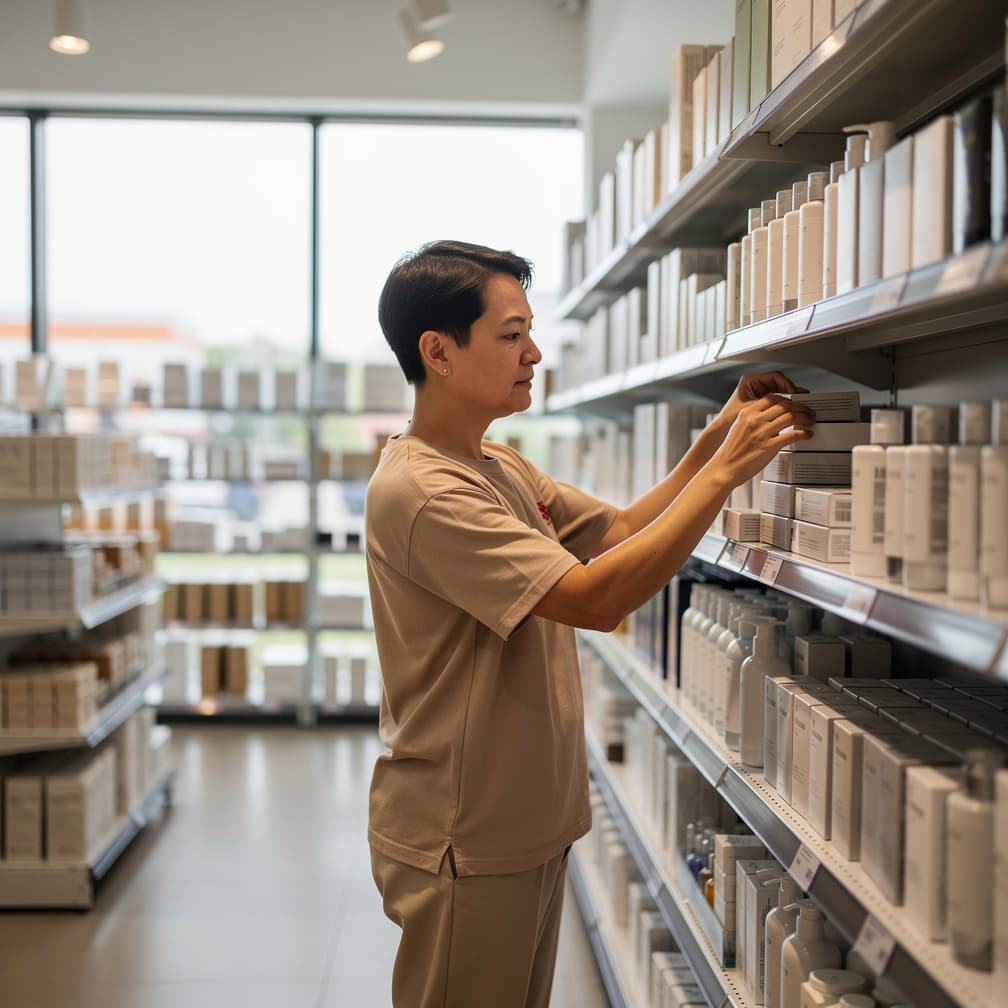

As a retail store in Visalia, your worst day probably starts with something ordinary: a mopped floor, a wobbly display, a delivery left in an aisle. The claim that follows is not ordinary at all, and it lands on whichever limit you chose months earlier without thinking hard about it. Retail store insurance in Visalia is the paperwork version of that choice, and it gets made once a year whether you engage with it or not. The good version is boring: adequate limits, wording you have actually read, a deductible you could pay during a slow week. The bad version is meeting the terms at the same moment you meet the loss. Settle it while nothing is broken and nobody is hurt.
What Makes Visalia Different
A thin market changes the repair math far more than it changes the premium on your quote. When Tulare County supports only a handful of contractors who can rebuild a storefront, the estimate you get may be the only estimate available. That single bid becomes the figure a claim settles around, which makes the adjuster conversation more important than owners assume. It also means a custom counter or a specialty fixture can wait weeks for the one person who builds them. Ask any quote you take in Visalia how it handles a partial reopening while the rest of the floor stays under repair. Ask whether stock stored offsite during the work is treated the same as stock sitting on your shelves. Distance is a risk factor nobody prints on a quote sheet. It shows up on the calendar instead of on the invoice.
Local Risk Factors in Visalia
Wildfire smoke reaches a storefront long before flame would, settling into fabric, packaging, and anything porous sitting open on a shelf. Stock that smells wrong is stock you cannot sell, even when it looks untouched. Commercial Property may respond to smoke as a covered cause of loss, subject to the wording and to your ability to show what the goods were worth. Evacuation is the other half of it: a store closed by an order while the building stands undamaged raises a question that interruption terms usually answer narrowly. Ask what a Visalia closure without damage does under a California policy. That is the question worth settling while the air is clear.
What Coverage Does a Retail Store in Visalia Need?
General Liability
Landlords, lenders, and franchisors ask for this line by name, and the limit written into your lease is usually the limit you end up buying. It generally contemplates third-party injury and property damage tied to your premises: the shopper who goes down in an aisle, the door that swings into someone, the sign that lands on a stranger. Injuries to your own staff sit elsewhere, and your stock is not what it addresses.
Example: A shopper steps off a rain-slick mat, catches the corner of a display case on the way down, and leaves with a broken wrist and a lawyer. General Liability may respond to the medical bills and the defense, subject to your limit.
Commercial Property
Flood sits outside it, wear and tear sits outside it, and unexplained inventory shortage usually does too. What sits inside is the physical side of the store: stock, shelving, counters, the register system, and tenant improvements you paid for, against causes such as fire, smoke, wind, forced entry, and water from a failed pipe. Valuation wording decides what damaged stock is worth.
Example: Smoke from a fire two units down settles into every open box on the shelves overnight. Commercial Property might answer for the ruined inventory, though the valuation clause decides whether it settles at cost or at retail.
Workers Compensation
Where General Liability stops at the customer, this line starts with your staff: the stocker who comes off a ladder, the cashier whose back goes out lifting a case, the closer hurt during a break-in. It is rated on payroll rather than sold at a flat monthly price, and the rules on who must be covered vary by state. Medical treatment and part of lost wages are what it typically addresses.
Example: A part-time stocker reaches for a top-shelf box, the ladder shifts, and a shoulder tears. Workers Compensation is generally intended to take on the treatment and a portion of the lost wages while somebody else works the shift.
Business Owners Policy
One document, one renewal date, and both halves of a storefront's exposure: liability for the shopper on your floor, plus property terms for the stock, fixtures, and tenant improvements behind it. Interruption terms are often folded in. Eligibility can depend on class, size, and the building itself, and Workers Compensation always sits outside the package.
Example: A failed line closes a Visalia store for eleven days while shelving dries out and stock gets replaced. A Business Owners Policy can help cover the property loss and, where interruption terms apply, some of the income that never arrived.
How Much Does Retail Store Insurance Cost in Visalia?
Retail Store Insurance is a bundle of separate policies, priced separately. The ranges below are typical figures for Visalia for each line, except workers compensation, which is rated per $100 of payroll; a quote prices each one against your own operations.
| Coverage | Typical range | What moves your price |
|---|---|---|
| General Liability Insurance | $50 - $140 per month | Industry and risk classification, annual revenue, number of employees |
| Commercial Property Insurance | $100 - $360 per month | Building value and construction type, roof age and condition, fire protection class |
| Workers Compensation Insurance | $0.75 - $2.74 per $100 of payroll | Employee classification codes, total annual payroll, experience modification rate |
| Business Owners Policy Insurance | $90 - $270 per month | Annual revenue and industry class, building and contents values, square footage and building age |
Prices shown are general estimates, not guaranteed rates or quotes. Your actual premium will depend on the insurer, coverage selected, business details, location, claims history, and other underwriting factors. Learn about our pricing methodology.
What Are the Insurance Requirements for a Retail Store in Visalia?
Workers' comp is generally required once you have your first employee. California generally requires employers to carry workers' compensation at that point. Common exemptions include sole proprietors and some partners. Confirm current thresholds with your state's workers' compensation agency before you hire.
Flood damage is typically excluded from standard policies. Standard commercial property and builders-risk-type policies typically exclude flood damage. Flood exposure varies address by address, so check your premises in FEMA's Flood Map Service Center before deciding; if you sit in a mapped flood zone, a separate policy through the National Flood Insurance Program is the usual starting point.
Where to verify licensing and coverage rules. The California Department of Insurance publishes consumer guidance and current insurance requirements for California businesses. When a contract or lease demands specific wording, the California Department of Insurance's guidance is the authoritative place to check.
Get Your Retail Store Quote in Visalia
Compare rates from multiple carriers. Free quotes, no obligation.
Operating in Visalia
- The rear door of a storefront is usually the oldest hardware in the building, which is why break-ins arrive through the alley rather than through the front window.
- A certificate does not renew itself when the policy does, and the party holding your Visalia lease notices the gap at the worst imaginable moment rather than a convenient one.
- Water from a failed line behind the stockroom soaks cardboard from the bottom up overnight, so the morning count of what can still be sold matters more than the size of the puddle.
- Rain turns the entry mat into the most dangerous square of floor you own, and the incident report you write in the first ten minutes is the document a fall claim gets built from months later.
How to Buy: Advice for Visalia Owners
Gather the four numbers a quote actually runs on: annual revenue, payroll, the value of stock on hand, and claims history. Payroll matters because Workers Compensation is rated per $100 of payroll rather than sold as a flat monthly fee, so an added stocking shift moves the figure. Revenue and stock value carry the property side, and a Business Owners Policy quote asks for the same inputs in a single form. Claims history carries the rest, and it is the one input you cannot rewrite the week before quoting. Keep the lease within reach too, since its insurance clause may pick your limit for you. The California Department of Insurance publishes consumer guidance on how business coverage gets rated. With those figures in hand, a Visalia owner can send one clean submission through CPK and watch what participating carriers do with it.
FAQ
Retail Store Insurance in Visalia: FAQ
Usually yes. A lease commonly names limits and asks for a certificate listing the property owner as an additional insured before possession of a Visalia storefront. The certificate is proof rather than the policy itself, so it can only be issued once coverage is bound. Read the insurance clause early and buy to the figure it names, because a wrong entity name or a short limit sends the document back and delays your opening.
It depends on what you sell and how much of it sits on the floor at once. Revenue, payroll, stock value, building age, security, and claims history move the number more than anything else does. Two stores of identical size can price apart because one carries heavy inventory and stays open late. The cost table on this page shows current ranges by coverage, and a quote sharpens them against your own figures.
That is the classic General Liability scene, and the line is generally intended to respond to bodily injury claims from shoppers on your premises, subject to your limit and deductible. It does nothing for your own injuries or an employee's, which sit with Workers Compensation instead. Mats, spill routines, and a wet floor sign do not change the wording, but they change how the claim gets defended.
Typically not. Standard property forms usually exclude flood, meaning rising surface water, and that gap gets filled by separate flood coverage rather than by the form you already hold. Water from a failed pipe inside the building is a different cause of loss and is often handled differently. Ask a participating carrier in California what your causes of loss wording says before a storm makes the question urgent.
A certificate holder simply receives proof that your policy exists. An additional insured may hold rights under the policy itself through an endorsement, subject to that endorsement's wording. Landlords ask because a shopper hurt inside your store often names the property owner in the same claim. If a lease requires it, ask a participating carrier what the endorsement costs and what it actually extends before you agree to the clause.
Often, though rarely by default. Property away from the premises is where a Commercial Property form narrows, and the offsite limit is usually far smaller than the limit sitting over your sales floor. Goods in transit raise a separate question again. Tell a participating carrier in California where stock actually sits through a season, because a limit built around the store alone can leave pallets in a bay badly short.
Sources
- 1.California Department of Insurance(California Department of Insurance publishes consumer guidance for insurance buyers.)
- 2.FEMA / FloodSmart(Flood coverage is typically purchased separately; FEMA administers the National Flood Insurance Program.)


