








































Updated July 16, 2026

Inland Marine Insurance in Aurora
Professional, scientific, and technical services lead the business mix in Arapahoe County at 15%, followed by health care and social assistance at 12.9% and construction at 9.7%. That mix tells you a lot of local firms depend on mobile equipment, diagnostic devices, leased gear, and client property that does not stay at one address all week. If you serve medical offices, engineering clients, contractors, or field technicians here, your exposure often turns on what is in the van, at a project location, or checked in at a customer location when a loss happens. Arapahoe County also has 20,149 business establishments, a figure that translates into more landlord requirements, contract clauses, and certificate requests as you take on work with clinics, GCs, and commercial customers. Instead of treating this like generic business personal property, start by separating what you move by type, value, and custody, then ask for wording that matches those real movements instead of forcing every item into one generic bucket.
Inland Marine Insurance Risk Factors in Aurora
Local risk here is less about one city-only hazard and more about how property moves and pauses between stops. Along the Front Range, weather can change fast, and equipment often sits in vehicles, trailers, or temporary work areas while crews move between appointments. For inland marine, that means your **schedule of equipment, transit exposure, and any job-site storage language** deserve a close read. If you handle portable medical devices, testing equipment, contractor tools, or customer items picked up for service, ask whether your policy is written broadly enough for property in transit and at unnamed locations. You should also review theft-sensitive items separately, because small, high-value gear creates a different loss pattern than bulk materials. The practical step is simple: build your quote around how property actually travels, where it is left during the day, and whether employees, subcontractors, or clients ever have custody of it.
Colorado has a high climate risk rating. Top hazards: Hailstorm (Very High), Wildfire (Very High), Tornado (High), Winter Storm (High). The state's expected annual loss from natural hazards is $2.1B, which influences inland marine insurance premiums and may affect coverage availability in high-risk areas.
What Inland Marine Insurance Covers
In Colorado, inland marine insurance is commonly used to protect mobile business property that leaves a fixed location, including tools, equipment, materials, and goods in transit. The coverage is designed to follow insured property while it is on the road, at a customer site, in staging areas, or installed at a project location, which is a practical fit for businesses that work across Denver, mountain communities, and fast-changing job sites. The product can be written around tools and equipment, goods in transit, contractors equipment, installation floater needs, and builders risk needs, depending on what the business actually moves.
Colorado does not have a single statewide mandate that forces every business to buy this coverage, but requirements vary by industry and business size, and the Colorado Division of Insurance regulates the market. That means policy terms, endorsements, deductibles, and limits are carrier-specific and should be reviewed carefully. In practice, the policy is often used to fill the gap left by commercial property insurance, which usually focuses on fixed premises rather than property that travels.
Because Colorado has very high hailstorm and wildfire exposure, plus winter storms and tornado risk, the condition and storage of mobile property can matter when you compare coverage options. A policy may help cover theft, damage, vandalism, and other perils. For businesses with equipment that moves between job sites or sits in staging areas, the key question is whether the policy matches the way the property is actually used in Colorado.
Coverage Included
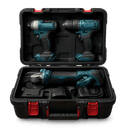
Tools & Equipment
Can help repair or replace hand tools, power tools, and gear that are stolen or damaged on the job or in transit.

Goods in Transit
May cover products, materials, and merchandise while they are being shipped or hauled between locations in your care.
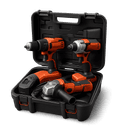
Contractors Equipment
Typically covers heavy machinery like excavators, loaders, and generators against theft or damage at job sites and between them.
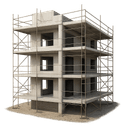
Installation Floater
Can help cover materials and fixtures from the moment you buy them until they are installed and accepted at a project.
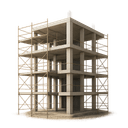
Builders Risk
May cover a structure under construction, along with materials on site, against damage from fire, wind, theft, and vandalism.
Inland Marine Insurance Cost in Aurora
Average Cost in Colorado
$25 - $100
per month
Businesses in Colorado typically see inland marine insurance premiums of $25 - $100 per month, which tends to run 4% above the national range of $20 - $100 per month.
- Total insured value of the scheduled property
- Type and age of the equipment
- Where it is stored and how far it travels
- Jobsite security and theft prevention
- Per-item limits and deductibles
- Prior theft and in-transit losses
Contact CPK Insurance for a personalized quote.
Prices shown are general estimates, not guaranteed rates or quotes. Your actual premium will depend on the insurer, coverage selected, business details, location, claims history, and other underwriting factors. Learn about our pricing methodology.
Colorado inland marine pricing tends to sit above the national average, with a state-specific average range of $25 to $100 per month and a broader product range of about $20 to $100 per month. In this state, cost is usually shaped by coverage limits and deductibles, claims history, location, industry or risk profile, and policy endorsements.
Location matters in a Colorado-specific way because hailstorm risk is rated very high, wildfire risk is very high, and winter storm risk is high. If your property is regularly moved through higher-risk corridors or left at job sites in exposed areas, carriers may look more closely at how it is protected and stored. Property crime and motor vehicle theft rates can also influence how underwriters view mobile business property.
The market is also competitive, with hundreds of active insurance companies in the state. That competition gives you room to compare terms, endorsements, and pricing rather than accepting the first quote you receive. For many buyers, the most important cost question is not just the monthly premium but whether the limit is high enough for the value of the property moving around Colorado job sites.
What Makes Aurora Different
Cross-industry mobility shapes what you actually need. In some cities, this coverage is mostly a contractor conversation. Around Aurora, the county business mix is broader, so the product often needs to fit more than tools on a job trailer. It may need to contemplate survey gear, testing instruments, portable imaging or treatment equipment, installation materials, or client property moving between offices and field locations. A basic limit chosen for hand tools can be too light for specialized devices, while a form built around one class of property can miss another that your team carries every day. The gap between a generic form and your actual operations is where losses tend to surface, so the wording should follow how property really moves.
Our Recommendation for Aurora
Start your review with a property list, not a premium target. For a local quote, group items by how they are used: contractor equipment, electronic instruments, medical or diagnostic devices, installation materials, and any items you hold for clients. Then match each group to where losses can happen, whether in transit, at a project location, inside a vehicle, or while stored offsite between jobs. Aurora's median household income is $84,320, a level that supports a client base willing to pay for dependable service and quick resolution when something goes wrong. That makes valuation, downtime planning, and proof of coverage worth a close look before a claim tests them. Clear limits and property descriptions matter before work starts, and a quote works better when each class of property is listed by real use.
Get Inland Marine Insurance in Aurora
Enter your ZIP code to compare inland marine insurance rates from carriers in Aurora, CO.
Business insurance starting at $25/mo
FAQ
Frequently Asked Questions
Aurora businesses that carry tools, instruments, or client property between locations often review it because losses do not always happen at the main address. If your equipment spends time in vehicles, at project locations, or on customer premises, a form built for mobile property may pick up where a standard policy stops.
Aurora contractors and service firms should usually start with the items that are hardest to replace and most often moved: specialized tools, testing gear, leased equipment, and items you hold for clients. Listing each class by real use gives the underwriter a clearer picture and reduces the risk of a limit that cannot cover a real loss.
Arapahoe County has 20,149 business establishments, a concentration that means more contracts, site access rules, and proof-of-coverage requests as you work with landlords, clinics, and commercial customers. When a GC or landlord asks for a certificate before you start work, thin limits or vague descriptions on your schedule can hold up the job or cost you the contract.
Aurora sits in a county where professional, scientific, and technical services lead at 15% and health care and social assistance account for 12.9%. Portable instruments, diagnostic devices, and client property can create the same off-premises exposure contractors face, even if your team never picks up a hammer. **Request a quote** that shows limits, deductibles, and any itemized scheduling clearly, then check whether the form tracks how your property actually moves or leaves gaps at temporary locations and client premises.
In Colorado, it is commonly used for tools, equipment, materials, and goods that move between job sites, customer locations, or staging areas. The policy is designed to follow the property away from a fixed business location, which is useful for contractors and other mobile businesses.
It may help cover property while it is away from your main premises, including at job sites or in staging areas. Colorado buyers should ask how the carrier treats storage conditions, because hail, wildfire, and winter weather can affect the risk profile.
Contractors, electricians, plumbers, landscapers, photographers, caterers, IT service providers, and other businesses that move valuable portable property often need it. It is also relevant for Colorado businesses that ship goods or hold customer property.
Coverage limits, deductibles, claims history, location, industry or risk profile, and policy endorsements all affect pricing. Colorado's above-average premiums, high hail exposure, and competitive carrier market can also influence what a quote looks like.
Sources
- 1.U.S. Census Bureau, County Business Patterns, Arapahoe County(Professional, scientific, and technical services lead the business mix in Arapahoe County at 15%, with health care and social assistance at 12.9% and construction at 9.7%.; Arapahoe County has 20,149 business establishments.)
- 2.U.S. Census Bureau, ACS 5-Year Estimates, table B19013(Aurora’s median household income is $84,320.)
Updated July 16, 2026





