Updated July 16, 2026

On-Hook Towing Insurance in Aurora
Your calls here can be tightly packed. A tow company working this area often handles short-notice jobs across a broad suburban grid, and each extra touch is another moment a customer vehicle could be scratched or dented and later blamed on your driver. Arapahoe County has 20,149 business establishments, meaning a meaningful share of your work may come from commercial accounts rather than simple highway pulls. If your book includes apartment enforcement, hospital-adjacent pickups, dealer transfers, or contractor truck relocations, ask for quote options that separate routine nonconsent work from scheduled transport, and make sure your insurer understands where vehicles are hooked, where they are stored, and who signs off at release.
On-Hook Towing Insurance Risk Factors in Aurora
Aurora's top risk factors include Tornado damage, Hail damage, Severe storm damage, and Wind damage.
Colorado has a high climate risk rating. Top hazards: Hailstorm (Very High), Wildfire (Very High), Tornado (High), Winter Storm (High). The state's expected annual loss from natural hazards is $2.1B, which influences on-hook towing insurance premiums and may affect coverage availability in high-risk areas.
What On-Hook Towing Insurance Covers
Colorado buyers usually need to focus less on the basic definition of on-hook coverage and more on the situations that make a claim harder to sort out. The state can put very different towing conditions into the same workweek, including dense city traffic, mountain grades, narrow access roads, ski-area congestion, hail events, and winter roadside recoveries.
For a Colorado tow operator, the practical review starts with how damage could be alleged during the tow itself. A low-clearance vehicle pulled from a steep driveway may need a different loading approach than a disabled pickup on an icy shoulder. A vehicle with prior body damage after a storm may need stronger intake photos before hookup. An all-wheel-drive unit, an electric vehicle, or a heavily modified truck may require a specific tow method to avoid a dispute over whether the movement caused additional damage.
You should also look closely at how your policy handles the kinds of work that create the most argument after a loss. Recovery work, winching from embankments, post-accident towing, police-directed removals, and after-hours impounds can all raise questions about condition, custody, and timing. Your quote request should spell out where your calls come from, what equipment you use on each call type, and how your drivers rotate between flatbed, wheel-lift, and recovery assignments. If a claim happens, the easier path is a file that already matches your real operation, your dispatch records, and your photo process.
Coverage Included

Collision on Hook
Covers damage to towed vehicles from collisions during transport.
Comprehensive on Hook
Covers theft, fire, and weather damage to vehicles being towed.
Loading & Unloading
Covers damage during the process of loading and unloading vehicles.
Winching Coverage
Covers damage to vehicles during winching and recovery operations.
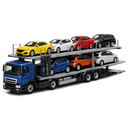
Multiple Vehicle
Covers all vehicles on multi-car carriers and rollback flatbeds.
Industries & Insurance Needs in Aurora
County business mix is one reason towing work here can be operationally mixed. In Arapahoe County, the leading sectors by establishment share are professional, scientific, and technical services at 15%, health care and social assistance at 12.9%, and construction at 9.7%, so your calls may range from office parking enforcement to medical-campus vehicle moves to pickups involving work trucks, vans, and equipment trailers. That mix matters for on-hook coverage because the towed unit, the pickup setting, and the urgency of the call can change the damage scenario. A low-clearance passenger car in a structured lot is not handled the same way as a contractor vehicle with tools, racks, or attached equipment. When you request terms, break out your work by vehicle type, property type, and whether jobs are consent, nonconsent, or scheduled transport, so the policy is reviewed against the claims situations you actually create.
What Makes Aurora Different
How many times a vehicle changes hands before the job is done often shapes your exposure. In a market with a large base of households and businesses moving through apartments, retail lots, job sites, and care facilities, the exposure is often less about one dramatic recovery and more about repeated loading and release events where a customer later questions when damage happened. Aurora median household income is $84,320, so a repair bill that looks minor to a shop can feel significant to a household. You should also review how the policy responds to allegations involving pre-existing damage, keys, documented condition at pickup, and disputes that arise after storage or release. If your drivers work fast-moving private-property accounts, stronger intake photos and signed release procedures can matter as much as the limit itself.
Our Recommendation for Aurora
Pull up your actual dispatch routes before you count trucks. Apartment and private-property towing tells a different on-hook story than dealer transfers, roadside assistance, or contractor moves, so sort your work by call type first. Then match those categories to the units you actually tow most often, including low-clearance cars, pickups, vans, and work trucks with accessories that can be bent, scraped, or disputed after transport. If you serve business accounts, list who authorizes the tow, where the vehicle is picked up, whether it goes to storage, and who documents condition at release. Ask whether your quote assumptions change if a vehicle is moved only a short distance but handled multiple times. If any account involves medical facilities, construction sites, or dense multifamily properties, review your photo protocol, key control, and release paperwork before binding. Underwriters price what they can see, so the more detail you provide about your daily operations, the more accurate your quote may be.
Get On-Hook Towing Insurance in Aurora
Enter your ZIP code to compare on-hook towing insurance rates from carriers in Aurora, CO.
Business insurance starting at $25/mo
FAQ
Frequently Asked Questions
Private-property work creates frequent load, move, store, and release events, which can increase disputes over when damage occurred. If your work includes apartments or commercial lots, ask your insurer how your policy handles claims tied to handoffs and storage.
Business demand can broaden the vehicle mix you tow. Arapahoe County has 20,149 business establishments, so be ready to discuss whether you handle contractor trucks, fleet vans, dealer units, or routine office-lot removals in addition to standard passenger cars.
Different sectors create different towing scenarios. With professional services at 15%, health care at 12.9%, and construction at 9.7%, a sizeable portion of your calls may come from office buildings, medical campuses, or job sites where access, permissions, and vehicle condition disputes can differ from a typical roadside job.
Vehicle owners may be more likely to press a damage claim when repair costs disrupt work or household budgets. The local median household income is $84,320, which means a cracked bumper or bent rim can feel like a major expense to a customer. That makes thorough photo documentation and signed release forms just as important as the limit itself.
Colorado towing companies often should. Road grade, weather shifts, and mixed dispatch patterns can change how a claim develops, so policy wording and claim procedures deserve a careful review before binding.
Colorado mountain routes can increase the importance of tow method, securement, and documentation. If your trucks move between metro calls and higher-elevation recoveries, your policy can help address those combined assignments rather than a simplified towing profile.
Colorado weather can make pre-existing damage disputes more likely, especially after hail or storm events. Intake photos, written condition notes, and clear dispatch records help show what damage existed before the vehicle was attached and moved.
Colorado operators should describe service territory, call types, equipment used, seasonal changes, and whether drivers handle recovery or mountain assignments. That gives the underwriter a more accurate basis for limits, deductibles, exclusions, and claim expectations.
Sources
- 1.U.S. Census Bureau, County Business Patterns, Arapahoe County(Arapahoe County has 20,149 business establishments, so commercial accounts can generate steady demand for private-property towing, vendor clearances, and fleet moves that do not look like a simple highway tow.; In Arapahoe County, the leading sectors by establishment share are professional, scientific, and technical services at 15%, health care and social assistance at 12.9%, and construction at 9.7%, so your calls may range from office parking enforcement to medical-campus vehicle moves to pickups involving work trucks, vans, and equipment trailers.)
- 2.U.S. Census Bureau, ACS 5-Year Estimates, table B19013(Aurora median household income is $84,320, so many owners have a financial reason to dispute even moderate cosmetic or mechanical damage to a vehicle after tow, especially if they rely on that vehicle for commuting or family use.)
Updated July 16, 2026