







































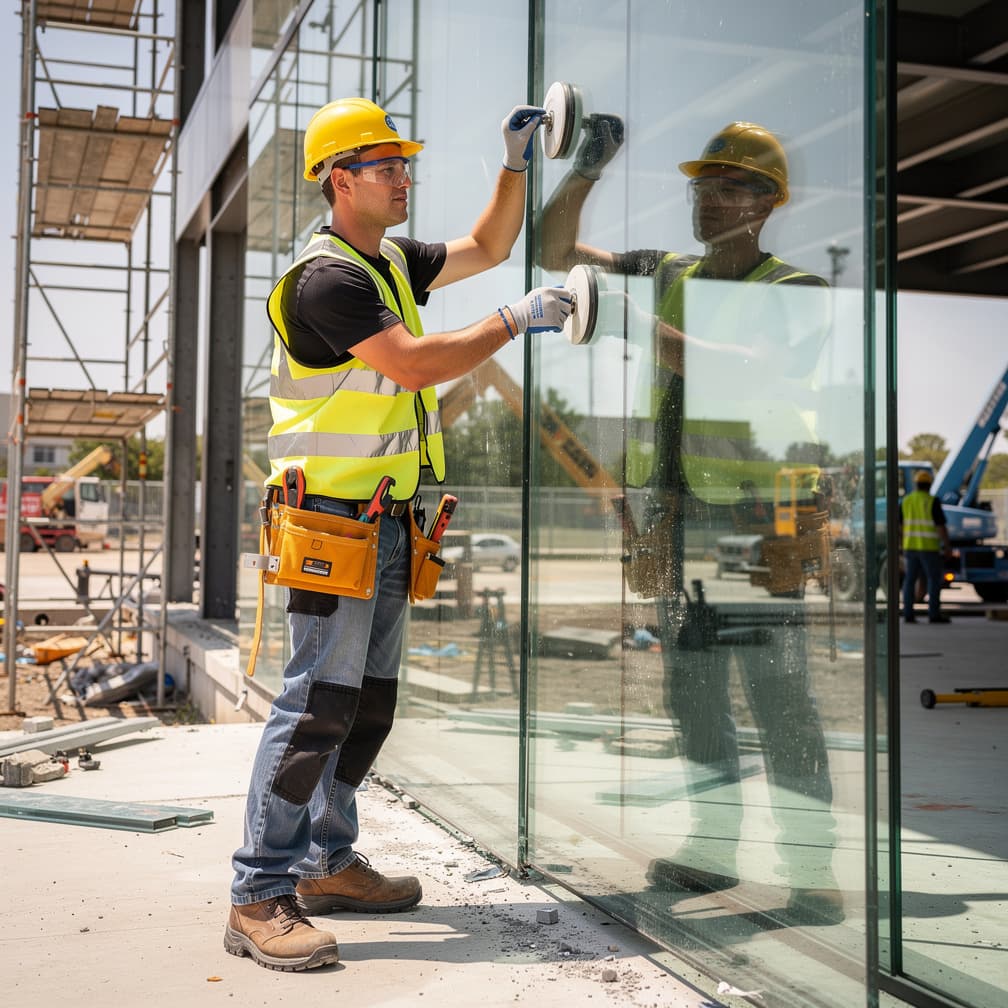

Glass breaks at the worst possible moment: half-lifted, half-set, with a customer watching from the sidewalk. Glazier insurance in Boulder exists for that half-second and everything that follows, from the shattered unit to the gouged storefront frame to the passerby standing a step too close. One dropped pane can cost you the material, the labor, and the schedule you promised the general contractor. The claim is rarely about the glass alone; it is about the finishes around it and the days it took to reorder. An owner or property manager in Boulder can ask for proof of coverage before your truck reaches the curb. The sections below separate what glaziers commonly carry from what is only paperwork, and show where the price actually comes from.
What Makes Boulder Different
Payroll is the biggest lever on what a glass shop in Boulder pays, and it is not subtle. Add a helper for the busy stretch and the workers compensation figure moves the same week. Classification matters as much as headcount, since installing storefront glass rates differently from shop work. A shop that also cuts and tempers on site carries a different exposure than one buying finished units. Height is the third lever, because work above the first floor prices differently everywhere. None of these are things you can hide on an application, and a misstatement can undo a claim. Quoting Boulder work honestly gets you a number you can actually rely on later. Underquoting your payroll just moves the bill to the audit at the end of the term.
Local Risk Factors in Boulder
Backlog is what hail leaves behind for a glass shop, and backlog is harder to manage than damage. Every broken skylight and storefront becomes a call for somebody, and orders for replacement units go into the same supplier queue as everybody else's. Customers hear a lead time and get angry at the shop rather than at the glass plant. Meanwhile the crews are on roofs and ladders doing temporary work in conditions the job was never bid for. Workers compensation prices against the payroll you report, so a surge staffed with unreported help is a bill deferred rather than a bill avoided. A glazier in Boulder County who reports the extra payroll during the surge keeps the audit boring; a glazier in Boulder who does not will hear about it later.
What Coverage Does a Glazier in Boulder Need?
General Liability
General contractors and building owners are the ones who insist on this line, and the contract usually names the limit. It can help cover third-party injury and property damage arising out of your work: a passerby hurt near a work zone, a customer's floor wrecked by a dropped unit. The pane you damaged yourself is typically excluded as your own workmanship.
Example: A carried pane clips a display case in an occupied lobby and the retailer's stock goes with it; general liability is generally where that claim lands.
Commercial Property
Flood is left out of this form, and so is ordinary wear on your racks and cutting tools. What remains is the shop itself: stock, hardware, suction cups, and the equipment that would stop your work if it burned or walked out the door overnight. Coverage may respond to fire, theft, and vandalism, subject to the deductible you picked.
Example: Someone pries the shop door overnight and leaves with the suction cups, the tools, and half the staged hardware; a property claim could put the shop back to work.
Workers Compensation
A pane slips on a stairwell landing and an installer's hand is cut to the tendon. Medical bills and lost wages from that injury are what this line is meant for, and it prices against payroll rather than at a flat monthly rate. Contracts commonly demand it, and thresholds vary, so the Colorado Division of Insurance publishes the current requirements.
Example: An installer overreaches on a lift setting an upper-floor unit and tears a shoulder; workers compensation is typically the line that handles the treatment and the missed weeks.
Commercial Auto
Your truck is the piece that moves everything else, which is why this line is written against a schedule of vehicles rather than against your business generally. It can help cover liability and damage from an accident while hauling panes, hardware, and crews between sites. The units strapped to the rack are cargo, and cargo is often a separate question.
Example: A loaded rack shifts during a hard stop on the way to a Boulder job and the truck ends up in a guardrail; commercial auto may pick up the vehicle side of it.
How Much Does Glazier Insurance Cost in Boulder?
Glazier Insurance is a bundle of separate policies, priced separately. The ranges below are typical figures for Boulder for each line, except workers compensation, which is rated per $100 of payroll; a quote prices each one against your own operations.
| Coverage | Typical range | What moves your price |
|---|---|---|
| General Liability Insurance | $190 - $600 per month | Industry and risk classification, annual revenue, number of employees |
| Commercial Property Insurance | $120 - $430 per month | Building value and construction type, roof age and condition, fire protection class |
| Workers Compensation Insurance | $0.75 - $2.74 per $100 of payroll | Employee classification codes, total annual payroll, experience modification rate |
| Commercial Auto Insurance | $260 - $750 per month | Fleet size and vehicle types, driver records and experience, coverage limits and deductibles |
Prices shown are general estimates, not guaranteed rates or quotes. Your actual premium will depend on the insurer, coverage selected, business details, location, claims history, and other underwriting factors. Learn about our pricing methodology.
What Are the Insurance Requirements for a Glazier in Boulder?
Workers' comp is generally required once you have your first employee. Colorado generally requires employers to carry workers' compensation at that point. Common exemptions include sole proprietors, partners in partnerships, and members of LLCs. Confirm current thresholds with your state's workers' compensation agency before you hire.
State auto liability minimums apply to business vehicles. Colorado's minimum auto liability limits are $25,000/$50,000/$15,000 (bodily injury per person / per accident / property damage). Contracts and lenders often require more than the state floor.
Where to verify licensing and coverage rules. The Colorado Division of Insurance publishes consumer guidance and current insurance requirements for Colorado businesses. When a contract or lease demands specific wording, the Colorado Division of Insurance's guidance is the authoritative place to check.
Get Your Glazier Quote in Boulder
Compare rates from multiple carriers. Free quotes, no obligation.
Operating in Boulder
- Staged glass leaning against a wall is one bump away from becoming a public safety event, which is why underwriters ask how you secure material before install.
- Measuring wrong is a money problem: a custom unit ordered to the wrong dimension is scrap, and no policy is designed to answer a mistake made with a tape measure.
- Storefront work happens on someone else's schedule, and a Boulder shop that misses a promised install date over a paperwork problem rarely gets invited back to bid.
- Tempered and laminated units cannot be trimmed on site, so a frame that is out of square becomes a reorder and a second trip with a second chance to break something.
How to Buy: Advice for Boulder Owners
Two numbers govern a General Liability policy, and owners tend to read only the bigger one. The per-occurrence limit is the most the policy may pay for a single event, like one pane going through one storefront and taking the display case with it. The aggregate is the ceiling across the entire term, and a glass shop that turns in several breakage claims in one busy stretch can exhaust it while months of work still sit ahead. Contracts routinely name the per-occurrence figure and stay silent on the aggregate, so that second number is one you have to track yourself. It is worth asking whether a claim against your Commercial Auto policy after a loaded-rack accident draws down a shared limit or a separate one. Check the Colorado Division of Insurance's guidance before deciding how much room those limits should leave you. A glazier in Boulder who understands both numbers can compare participating carriers on the ceiling rather than on the monthly price alone.
FAQ
Glazier Insurance in Boulder: FAQ
Cost tracks a handful of drivers rather than a flat rate. Payroll and how each person is classified matter most, since a shop hand and an installer rate differently. After that come your vehicle list, the height you work at, your claims history, and the limits your contracts demand. The cost table on this page shows the published ranges; your own number in Boulder comes from those inputs.
Usually not, and this surprises people. The unit you damage while working on it is your own workmanship, and standard liability forms typically exclude the thing you were working on. What may respond is the collateral damage: the customer's floor, the frame, or the display case the pane went through. Ask any quote to walk that distinction through a real scenario before you buy.
Anyone paying you or letting you onto their property. General contractors, building owners, property managers, tenants opening a new storefront, and sometimes a permit office. A landlord in Boulder can hold your keys or your gate access until the certificate is on file. The certificate is evidence rather than the policy itself, so what matters is whether the coverage behind it is genuinely in force.
It extends your policy's defense to your client for claims arising out of your work. Owners want it because it moves the first line of defense onto your paper instead of theirs. Two versions exist: blanket wording that reaches whoever your contract names, and a scheduled endorsement that reaches only the names typed on it. Scheduled endorsements go stale when management changes, so ask which one you are quoting.
The vehicle and the cargo are usually two different questions. Commercial auto is generally written around liability and physical damage to the truck itself. The units strapped to the rack are your property, and property in transit is often handled under a separate form or endorsement. Ask directly what happens when a sudden stop takes out a full order, because the answer varies by policy.
Yes, and that is one of the main reasons glass crews carry liability coverage. A sidewalk work zone, an unsecured pane, a ladder in a walkway, or debris from a break all put third parties inside your exposure. General Liability is generally designed for those bodily injury claims, and it commonly funds the defense as well as any settlement. The defense is often the larger cost.
Sources
- 1.Colorado Division of Insurance(Colorado Division of Insurance publishes consumer guidance for insurance buyers.)


