
Updated July 16, 2026

Builders Risk Insurance in Colorado Springs
This market runs on project concentration. Builders risk insurance in Colorado Springs gets reviewed against a steady mix of residential work, tenant improvements, and small commercial builds moving across one county economy. El Paso County reports 18,769 business establishments, and construction accounts for 10.8% of them, meaning roughly one in nine local businesses is tied to construction work. Lenders and owners here are accustomed to demanding clear evidence of course-of-construction coverage before materials arrive or draws are released. Before you request terms, pull together the job value, construction type, renovation versus ground-up scope, storage location for materials, and responsibility for temporary works. Whether you are building near Briargate, renovating an older property west of downtown, or finishing a light commercial space along a busy corridor, a cleaner submission usually gets you more useful questions back from underwriting.
Builders Risk Insurance Risk Factors in Colorado Springs
Colorado Springs's top risk factors include Tornado damage, Hail damage, Severe storm damage, and Wind damage.
Colorado has a high climate risk rating. Top hazards: Hailstorm (Very High), Wildfire (Very High), Tornado (High), Winter Storm (High). The state's expected annual loss from natural hazards is $2.1B, which influences builders risk insurance premiums and may affect coverage availability in high-risk areas.
What Builders Risk Insurance Covers
In Colorado, the practical review starts with how weather and site conditions can interrupt a build before the project is enclosed. If framing, roofing materials, windows, mechanical equipment, or finish materials will spend time exposed or stored on site, ask the agent to walk through how the policy treats property in transit, temporary storage, and materials waiting to be installed. Those details matter on mountain, foothill, and Front Range jobs where access, wind exposure, and sudden weather shifts can change the loss picture quickly.
For renovation work, focus on the line between new work and the existing structure. That distinction can affect whether damage to the part you are adding is handled differently from damage involving the original building. If the project stays partially occupied during construction, review how your policy coordinates with the property coverage already in place. You should also check whether the contract pushes any responsibility back to the owner, tenant, or general contractor.
Colorado projects also deserve a close read on debris removal, pollutant cleanup triggers after a covered event, temporary works, and scaffolding or fencing if those items are part of the job setup. If your schedule depends on custom windows, long-lead mechanical units, or specialty finishes, ask whether delay-related costs or soft costs should be reviewed rather than assuming they are included. The useful buying move is to match the policy schedule to the actual flow of materials and phases of work. Then confirm who is named and what property categories are specifically addressed before the first delivery arrives.
Coverage Included

Structure Coverage
Covers the building or structure under construction.

Materials on Site
Covers building materials stored at the construction site.

Materials in Transit
Covers materials being transported to the job site.
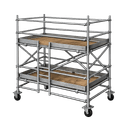
Temporary Structures
Covers scaffolding, fencing, and temporary buildings.

Soft Costs
Covers additional expenses from construction delays due to covered losses.

Equipment Coverage
Covers permanently installed fixtures and equipment.
Industries & Insurance Needs in Colorado Springs
El Paso County's business mix changes the buying conversation because the local project pipeline is not limited to one property type. Professional, scientific, and technical services make up 14.2% of county establishments, health care and social assistance 12.5%, and construction 10.8%, so builders risk placements here often involve office build-outs, medical space improvements, and contractor-driven residential work alongside each other. For you, that means the form should match the job instead of assuming every project is a new home. A tenant improvement may need closer review of existing structure exposure, owner versus tenant responsibilities, and occupancy timing. A medical or professional office project may need more attention on specialized materials, phased turnover, and lender documentation. Bring the contract, scope summary, and draw schedule into the quote conversation early so the policy structure follows the actual build.
What Affects Builders Risk Rates in Colorado Springs
Property values are a practical cost signal here. Colorado Springs shows a median home value of $420,700, so even a modest custom build, major addition, or high-end remodel can put a meaningful amount of materials and partially completed work at risk before the project is finished. That does not create a simple citywide price average, but it does change what you should verify in a quote. Check whether the completed value basis matches current plans and specifications, whether change orders can be absorbed without leaving a gap, and whether owner-supplied materials are included if they are stored off site before installation. If your project budget has moved since permit drawings, ask for the limit and reporting assumptions to be reviewed before framing, mechanicals, or finish materials increase the insured value on site.
What Makes Colorado Springs Different
Builders risk decisions here are less about a single isolated build and more about how quickly projects move from bid to financing to material delivery. Many local jobs involve multiple parties who want documentation at different points, including the owner, lender, general contractor, and sometimes a landlord on a tenant improvement. Your quote request needs to address everyone's requirements at once. Have named insureds, mortgagee or loss payee wording, covered property definitions, and start and end triggers reviewed before the first shipment arrives, not after a contract is signed and the schedule is already live. If your job includes phased work, partial occupancy, or materials stored away from the site, raise those details up front.
Our Recommendation for Colorado Springs
Start with the contract stack, not the application alone. For a local build, ask who carries the financial risk during each phase, who buys materials, where they are stored, and whether any existing structure needs to be scheduled or separately addressed. If the project is residential, compare the planned completed value against current market expectations rather than relying on an older budget. Colorado Springs has a median household income of $83,198. That figure tells you buyers in some neighborhoods can support higher-finish residential work, which means allowances and owner upgrades can push values beyond the original scope if you do not revisit them. For commercial or tenant improvement work, ask how the policy handles temporary occupancy, testing, and handoff between trades. Before binding, walk through your deductibles, theft protections, soft-cost needs, and the exact event that ends coverage with your participating provider. Then request a quote with the plans, timeline, and financing requirements in hand, so underwriters are pricing the real exposure rather than a rough placeholder.
Get Builders Risk Insurance in Colorado Springs
Enter your ZIP code to compare builders risk insurance rates from carriers in Colorado Springs, CO.
Business insurance starting at $25/mo
FAQ
Frequently Asked Questions
Colorado Springs projects move faster when you bring the contract value, plans, construction type, renovation or ground-up scope, material storage details, and lender requirements together first. Every party ends up looking at the same information when you compare completed value, covered property, and end-of-coverage triggers.
Colorado Springs shows a median home value of $420,700. Underestimating completed value can leave a gap once framing, mechanicals, and finish materials are on site. Review current plans, change orders, and owner-supplied materials before binding coverage.
El Paso County construction activity often involves lenders, owners, and contractors who expect proof of coverage early. Bring named insured, loss payee, and draw schedule details into the quote request so the policy lines up with financing and contract paperwork.
Colorado Springs tenant improvements usually need closer review of existing structure exposure, lease obligations, and occupancy timing than a ground-up project. Ask whether the policy addresses improvements and betterments, temporary works, and phased turnover before construction starts.
El Paso County's leading sectors include professional, scientific, and technical services at 14.2% and health care and social assistance at 12.5%. Office and medical space improvements are common enough here to justify careful review of specialized materials and phased occupancy.
Buyers can look to the Colorado Division of Insurance for licensing checks, consumer resources, and complaint information while comparing policy options. Use that source before finalizing coverage if you want to confirm the status of an agency or review consumer guidance.
Renovation projects often merit a separate review when the existing home stays occupied or the work is substantial. The key step is to compare the renovation scope against the current property policy and the construction contract before work begins.
Construction financing often comes with insurance conditions tied to draws, closing, or evidence of coverage. Check the loan documents early, then match the lender wording, named insured details, and project value to the quote request.
Sources
- 1.U.S. Census Bureau, County Business Patterns, El Paso County(El Paso County reports 18,769 business establishments.; Construction accounts for 10.8% of establishments in El Paso County.; Professional, scientific, and technical services make up 14.2% of county establishments, and health care and social assistance 12.5%.)
- 2.U.S. Census Bureau, ACS 5-Year Estimates, table B25077(Colorado Springs shows a median home value of $420,700.)
- 3.U.S. Census Bureau, ACS 5-Year Estimates, table B19013(Colorado Springs has a median household income of $83,198.)
Updated July 16, 2026