Updated July 16, 2026

Homeowners Insurance in Colorado Springs
Professional, scientific, and technical services lead the business mix in El Paso County at 14.2%, ahead of health care at 12.5% and construction at 10.8%. In practical terms, that means a large share of your neighbors run consulting firms, clinics, or trade businesses from home. Many households here balance homeownership with remote work, client-facing schedules, or contractor traffic around the property. How you use your house shapes what your policy should address, regardless of which part of the city you live in.
Colorado has a high climate risk rating. Top hazards: Hailstorm (Very High), Wildfire (Very High), Tornado (High), Winter Storm (High). The state's expected annual loss from natural hazards is $2.1B, which influences homeowners insurance premiums and may affect coverage availability in high-risk areas.
What Homeowners Insurance Covers
In Colorado, homeowners insurance is built around four core protections: dwelling coverage for the structure, personal property coverage for belongings, liability coverage if someone is injured on your property, and additional living expenses coverage if a covered loss forces you out during repairs. Other structures coverage can also matter for detached garages, sheds, and fences, especially on larger lots common outside dense Front Range neighborhoods. Colorado does not legally require homeowners insurance for every owner, but mortgage lenders usually require it, and the Colorado Division of Insurance oversees the market. Policy terms can vary by carrier, so you should verify what is included rather than assume every form responds the same way.
Colorado homeowners often focus on perils tied to the state's climate, including hail, wind, fire, winter storm damage, and theft-related losses. Standard homeowners insurance generally does not cover flood damage, so homes in areas with flash-flood exposure or mudslide risk may need separate flood coverage. That matters in Colorado because recent disaster history includes flash flooding, mudslides, severe winter storms, and wildfire events in multiple counties. Medical payments coverage may also be included, but the exact limits vary by policy. Because reconstruction costs in Colorado can be higher than expected, dwelling coverage should be based on rebuilding cost, not market value or purchase price. If you live in a high-risk area near wildfire zones or in a hail-prone corridor along the Front Range, endorsements and deductible choices can materially change the protection you end up with.
Coverage Included

Dwelling
Repairs or rebuilds your home itself, the walls, roof, floors, built-in appliances, and attached structures like a garage, after a covered loss. Set this limit to the full cost of rebuilding, not market value.
Other Structures
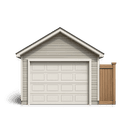
Detached structures on your property, such as a fence, shed, detached garage, or gazebo. Usually set at about 10 percent of your dwelling limit [2].

Personal Property
Your belongings, furniture, clothing, electronics, and appliances, generally written at 50 to 70 percent of your dwelling limit [2]. High-value items like jewelry and art carry special limits.

Additional Living Expenses
Also called loss of use. Pays your added living costs, hotel stays, meals, and a temporary rental, while a covered loss makes your home uninhabitable. Usually set at about 20 percent of your dwelling limit.

Liability
Covers you if someone is injured on your property, or you damage someone else's property, and you are found responsible. The standard $100,000 limit [2] is often raised to $300,000 or $500,000.

Medical Payments
Pays small medical bills, commonly $1,000 to $5,000, if a guest is hurt at your home regardless of fault, without a formal liability claim.
Homeowners Insurance Cost in Colorado Springs
Average Cost in Colorado
$130 - $340
per month
In Colorado, homeowners insurance premiums typically run $130 - $340 per month, which tends to run 31% above the national range of $110 - $250 per month.
- Home replacement cost, age, and construction type
- Roof age, material, and condition
- ZIP code and local weather risk (wind, hail, wildfire, hurricane)
- Coverage limits and endorsements
- All-peril and percentage wind/hail deductibles
- Claims history and insurance score where allowed
Typical range for many standard homeowners profiles; lower-risk homes fall below it and coastal, wildfire, or older-roof homes can run well above. Final pricing depends on property details, location, underwriting, and selected coverage.
Prices shown are general estimates, not guaranteed rates or quotes. Your actual premium will depend on the insurer, coverage selected, personal details, location, claims history, and other underwriting factors. Learn about our pricing methodology.
Colorado homeowners insurance cost varies widely, but premiums in the state run above the national average. Carriers price conservatively in exposed areas, so a quote can look very different from what a national estimate suggests. Budgeting for that gap can help you avoid sticker shock when comparing options.
Several local factors shape the price. Hailstorm exposure is rated very high, wildfire risk is very high, and winter storm risk is high, so homes in Denver, Colorado Springs, Boulder, and the mountain corridor may see different pricing than lower-risk locations. Roof age and material, age and condition of the dwelling, claims history in the area, and local crime rates all influence the premium. Colorado's median home value is $518,000, so if your dwelling limit is based on purchase price rather than rebuild cost, you may fall short if construction expenses spike. Carrier competition can help, since Colorado has hundreds of active insurance companies competing for business.
What Makes Colorado Springs Different
The mix of professional services and construction points to a lot of households using part of the home for work, storing better electronics, or scheduling frequent service visits. The city's median household income is $83,198, meaning many owners have made upgrades, furnished dedicated office space, or added higher-value contents over time. If you have renovated key areas or added structures since the policy started, review replacement assumptions and liability limits before comparing quotes.
Our Recommendation for Colorado Springs
Start with the details that are easy to miss and then move to the obvious items. If you have taken on major projects since your policy started, make sure those details are reflected before you compare quotes. Next, think about how the home is used during a normal week. With so many professional and construction households in the area, it is worth asking whether client visits, work equipment, or tools kept at home change what should be scheduled or endorsed. Keep your review practical: confirm dwelling limits, walk through detached structures, check personal property categories, and ask how claims would be adjusted if repairs require matching materials. If you want cleaner quote comparisons, send the same property facts and current declarations page to each option so you are evaluating differences in coverage, not just price.
Get Homeowners Insurance in Colorado Springs
Enter your ZIP code to compare homeowners insurance rates from carriers in Colorado Springs, CO.
Home insurance starting at $50/mo
FAQ
Frequently Asked Questions
Colorado Springs households often use part of the home for work or store higher-value equipment, especially in a county where professional, scientific, and technical services account for 14.2% of establishments. That makes it worth reviewing liability, electronics, and any home-based business limitations.
If you have renovated or upgraded finishes, your dwelling limit may no longer reflect what it would cost to rebuild. Review detached structures, interior materials, and any recent projects before you accept a renewal offer.
El Paso County has 18,769 business establishments, which supports a busy local service economy and frequent contractor or vendor activity around homes. More contractor traffic means higher odds of property damage during projects, which is why documenting property changes and checking liability limits matters after any major work.
Colorado Springs has a median household income of $83,198, which can translate into better furnishings, electronics, and home improvements over time. Higher-value contents can outpace the personal property limits on an older policy, so take inventory and compare it against your current coverage.
CPK Insurance is a marketplace that may match your request with participating licensed providers. Get your **free quote today**.
Colorado homeowners insurance can help cover dwelling damage, personal property losses, liability claims, and additional living expenses. It may also include other structures coverage. In Colorado, that protection is especially relevant for hail, wind, fire, theft, and winter-storm damage, but flood damage is not included in a standard policy.
You should buy enough dwelling coverage to rebuild the home at current Colorado construction costs, not just match the purchase price. Because market value and rebuild cost can differ significantly, many owners need to review whether their limits are high enough for a full rebuild.
Yes, mortgage lenders usually require homeowners insurance in Colorado even though the state does not legally require every homeowner to carry it. That is why many buyers need a policy in place before closing.
Sources
- 1.U.S. Census Bureau, County Business Patterns, El Paso County(Professional, scientific, and technical services lead the business mix in the county that contains Colorado Springs at 14.2%, ahead of health care and social assistance at 12.5% and construction at 10.8%.; El Paso County has 18,769 business establishments.)
- 2.U.S. Census Bureau, ACS 5-Year Estimates, table B25077(The city's median home value is $420,700.)
- 3.U.S. Census Bureau, ACS 5-Year Estimates, table B19013(The city's median household income is $83,198.)
Updated July 16, 2026