







































Updated July 16, 2026

Commercial Truck Insurance in Denver
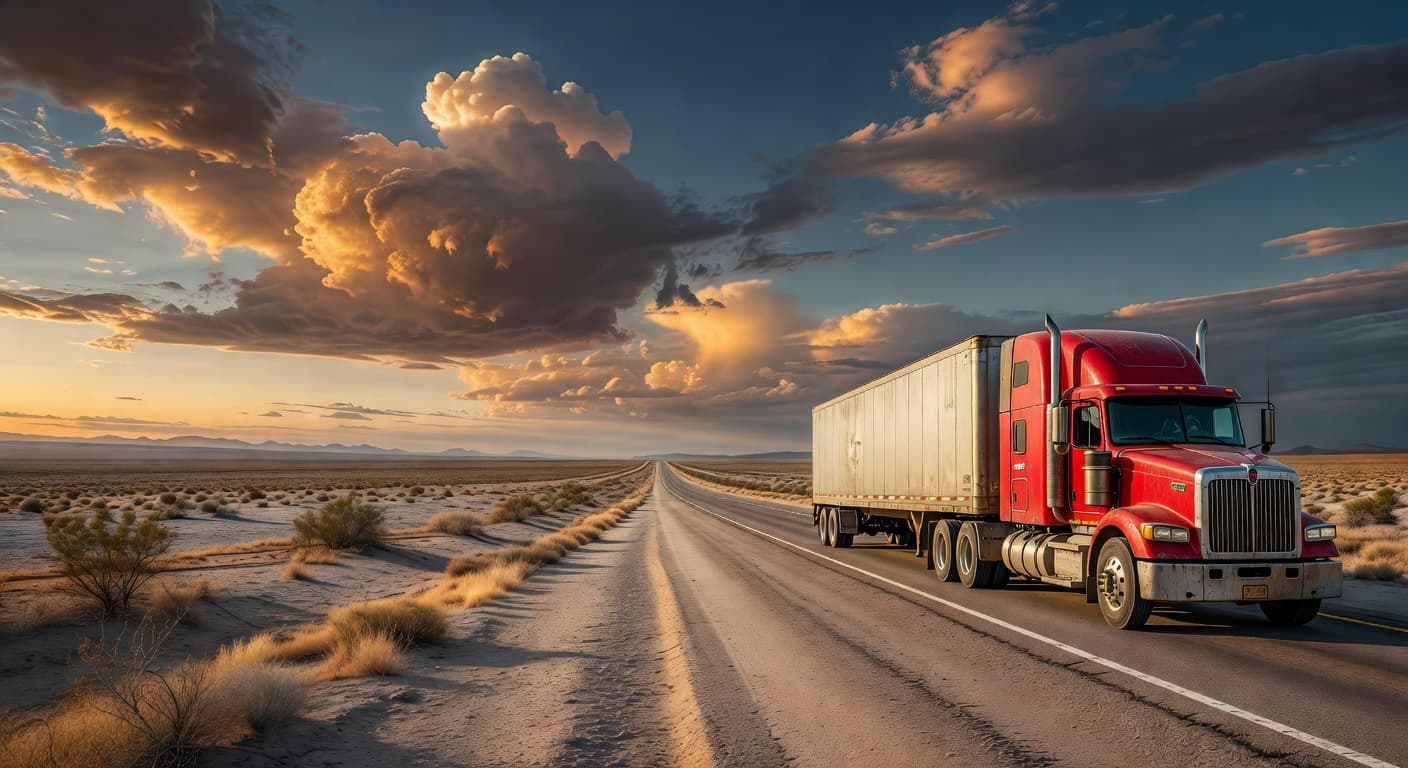
Your trucks are not just crossing long Colorado miles. They are working tighter delivery windows, more curbside stops, and more interactions with office towers, clinics, hotels, and restaurants packed into a smaller service area. That is why your policy usually deserves a closer look at how each unit is garaged, where loading happens, who backs into alleys or docks, and whether your routes mix downtown drops with regional runs.
Denver County has 27,347 business establishments, which means a single local truck may juggle a dozen or more short-stop accounts in a week. That density puts certificates, contract language, and loss control expectations in front of you before the first load moves. The county mix leans toward professional, scientific, and technical services at 20.2%, health care and social assistance at 9.8%, and accommodation and food services at 9.1%. In practical terms, you are more likely to face scheduled delivery windows and required certificate wording before a load even moves. You may be hauling for clients that care about timing, site access, and documented insurance terms as much as freight itself. If your operation works this pattern, you may want a quote built around stop frequency, parking location, hired or non-owned auto needs, and any gap between your auto liability, cargo, and umbrella limits.
Commercial Truck Insurance Risk Factors in Denver
Denver's top risk factors include Tornado damage, Hail damage, Severe storm damage, and Wind damage.
Colorado has a high climate risk rating. Top hazards: Hailstorm (Very High), Wildfire (Very High), Tornado (High), Winter Storm (High). The state's expected annual loss from natural hazards is $2.1B, which influences commercial truck insurance premiums and may affect coverage availability in high-risk areas.
What Commercial Truck Insurance Covers
Commercial truck insurance in Colorado is built around the way your trucks actually move freight here, not just the vehicle itself. Motor carrier liability is the core protection for trucking operations, and physical damage coverage may help pay to repair or replace your truck after a collision, theft, fire, or weather event. Cargo insurance is usually a separate part of the policy and is especially important if you haul freight through hail-prone corridors, winter weather, or higher-theft areas.
Trailer interchange coverage matters if you use trailers that are not owned by your business but are under your care under an agreement. Bobtail and non-trucking liability may fit owner-operators and independent drivers when the truck is being used outside dispatch, but the right choice depends on your exact operating setup.
The Colorado Division of Insurance regulates the market, and coverage requirements may vary by industry and business size, so a policy for a local box truck route may look different from one for a long-haul tractor-trailer. State commercial auto minimums set a baseline, but trucking contracts often call for higher liability limits than that baseline. Coverage can also vary based on whether you run a fleet, a single truck, or a mixed operation with refrigerated trucks, flatbeds, dump trucks, tankers, or delivery vans.
Coverage Included

Motor Carrier Liability
Can help cover injuries and property damage your truck causes to others, a coverage federal regulators require most for-hire carriers to maintain.

Physical Damage
Can help pay to repair or replace your own truck after an accident, fire, theft, or vandalism.
Cargo Coverage
May pay for damage to or theft of the freight you are hauling while it is in your care.
Trailer Interchange
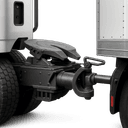
Can help cover damage to trailers you haul under an interchange agreement but do not own.

Bobtail Coverage
May provide liability protection when you drive your tractor without a trailer attached, such as after dropping off a load.

Non-Trucking Liability
Can help cover accidents that happen when you use your truck for personal errands rather than dispatched work.
Commercial Truck Insurance Cost in Denver
Average Cost in Colorado
$500 - $1,325
per month
Businesses in Colorado typically see commercial truck insurance premiums of $500 - $1,325 per month, which tends to run 20% above the national range of $400 - $1,125 per month.
- Radius of operation
- Commodities hauled and cargo value
- Number and value of power units
- Driver motor vehicle records and CDL experience
- DOT safety record, inspections, and FMCSA scores
- Liability limits and physical damage deductibles
Contact CPK Insurance for a personalized quote.
Prices shown are general estimates, not guaranteed rates or quotes. Your actual premium will depend on the insurer, coverage selected, business details, location, claims history, and other underwriting factors. Learn about our pricing methodology.
Average Colorado pricing for commercial truck insurance varies based on the truck, route, cargo, limits, deductibles, and claims history. A competitive market with multiple carriers can help with options, but it does not erase the impact of local risk.
Coverage limits and deductibles are among the biggest pricing levers, followed by claims history, location, industry or risk profile, and policy endorsements. A truck operating through Denver, mountain routes, or hail-exposed areas may present different pricing than a unit staying on lower-risk local routes. Colorado's climate profile is a major factor, and those hazards can influence how insurers evaluate your overall exposure.
Long-haul fleets, regional delivery routes, and local hauling businesses do not all need the same motor carrier liability coverage. A trucking business with a stronger claims record, cleaner driving history, and carefully chosen deductibles may see different pricing than a similar account with recent losses. Because a quote is shaped by both risk and policy design, the most useful comparison is not just the monthly premium, but what liability, cargo, trailer interchange, bobtail coverage, and non-trucking liability are actually included.
Industries & Insurance Needs in Denver
Denver County's business mix changes the conversation because it can create more service-oriented truck work and more contract-driven insurance review than you may see in a less dense market. Professional, scientific, and technical services account for 20.2% of establishments in the county, health care and social assistance 9.8%, and accommodation and food services 9.1%. So even if you are not hauling heavy industrial freight, your trucks may still be entering properties with strict vendor requirements, scheduled delivery windows, and little room for loading mistakes.
That matters when you compare quotes. A policy for a contractor supplier making repeated office, clinic, hotel, or restaurant stops may need closer review of liability limits, additional insured requests tied to contracts, cargo terms for higher-turn inventory, and whether employees ever use personal vehicles for errands or rush deliveries. There are many counterparties here who may ask for proof of coverage before access is granted. Bring sample contracts and certificate requests into the quoting process instead of treating them as paperwork after the policy is issued.
What Makes Denver Different
What changes the calculus here is how often your vehicles interact with other businesses, private property, loading zones, and time-sensitive receivers during a normal week. In many parts of Colorado, truck insurance discussions start with distance, terrain, and weather. In Denver, the sharper issue is stop density and the claims exposure it creates at customer sites. More stops can mean more backing incidents, more parked-truck exposure, and more pressure on drivers who are rushing to meet tight windows.
A city-focused review can map the operation, not just list the trucks. You might consider where units are parked overnight, which drivers handle downtown or hospital-area deliveries, and whether you cross from local route work into regional hauling. It can help to find out whether certificates are requested by landlords, general contractors, or facility managers before access is approved. Those requests are common enough to affect how you set limits and endorsements. If your current policy was built around mileage and vehicle class alone, this is the place to test whether it still matches the way your trucks actually work.
Our Recommendation for Denver
A good review starts with route and stop mapping. Trucks that spend most of the week on dense local deliveries rarely fit the same limit and deductible structure as units running longer regional lanes. If drivers back into alleys, docks, or structured service areas, you might ask your agent to review physical damage deductibles, collision assumptions, and any telematics or driver screening details that could matter to an underwriter.
It can help to gather the paperwork your customers already use, since contract language can shape the insurance conversation early. Lease requirements, shipper agreements, and certificate requests belong at the quote review so you can check additional insured wording, waiver requests, umbrella coordination, and hired or non-owned auto exposure before a job starts. When a request seems unclear or unusual, you might lay it next to your current policy forms and ask your agent whether the endorsement is standard or a concession worth pushing back on.
Get Commercial Truck Insurance in Denver
Enter your ZIP code to compare commercial truck insurance rates from carriers in Denver, CO.
Business insurance starting at $25/mo
FAQ
Frequently Asked Questions
Denver operations often involve tighter service areas, more stops, and more customer-site interactions than a line-haul schedule. Local certificate requests, loading-zone incidents, and contract-driven limit questions can show up more often during routine work.
It can help to bring vehicle schedules, garaging addresses, driver lists, loss runs, and a few real dispatch examples. If you serve offices, clinics, hotels, or restaurants, including contracts and certificate requests can help the quote reflect site access and liability expectations.
It can, because a market heavy on offices, clinics, and hospitality tends to generate more scheduled deliveries and contract review than a freight corridor dominated by warehouses and distribution centers. That translates into more paperwork before a load moves and more pressure on your certificate turnaround.
They often matter early, especially for deliveries to managed properties or service-heavy accounts. Before you accept the work, it can help to review additional insured requests, umbrella coordination, cargo terms, and any hired or non-owned auto exposure.
Many landlords, vendors, and facility managers in the area require it before granting site access. If you haul locally, you may want to keep certificates current and confirm that listed limits match your contracts.
In Colorado, commercial truck insurance can be built around motor carrier liability, physical damage coverage, cargo insurance, trailer interchange, bobtail coverage, and non-trucking liability. The right mix depends on whether you run a long-haul fleet, regional delivery route, or local hauling business.
Colorado commercial auto minimums are listed at $25,000/$50,000/$15,000, and the Colorado Division of Insurance regulates the market. Your actual requirements can vary by industry, business size, and contract terms, so trucking businesses often need limits above the state baseline.
Your cost per truck will vary based on coverage limits, deductibles, claims history, location, industry or risk profile, and policy endorsements. Because each quote is built around your specific operation, comparing options from multiple carriers is the best way to find accurate pricing.
Sources
- 1.U.S. Census Bureau, County Business Patterns, Denver County(Denver County has 27,347 business establishments.; The county mix leans toward professional, scientific, and technical services at 20.2%, health care and social assistance at 9.8%, and accommodation and food services at 9.1%.)
Updated July 16, 2026





