Updated July 16, 2026

Dealer Open Lot Insurance in Denver
Denver County has 27,347 business establishments, which means local buyers, lenders, landlords, and vendor partners often expect clean certificates and fast proof that your inventory is insured before a deal moves forward. If you are shopping for coverage, that density matters because your operation is rarely judged in isolation. It is judged against how quickly you can document where units sit, how often inventory shifts between a front line and overflow space, and whether your limits still match the vehicles you are carrying this month. A dealer with a compact urban footprint faces different pressure than a rural lot operator, since tighter storage, more frequent movement between addresses, and more third parties demanding proof of coverage on short notice all reshape the buying decision. The real question is not which form you pick but whether your schedule, location list, and reporting process actually track how inventory moves across the county.
Dealer Open Lot Insurance Risk Factors in Denver
**Local lot concentration** is the issue. In a dense county business environment, vehicles are often parked closer together, stored behind mixed-use properties, or shifted between a sales lot, service area, and off-site space as inventory changes. So a single loss event can affect more units at once, and a claim gets harder to support if your records lag behind the physical movement of vehicles. For a Denver-area dealer, that means reviewing how often units are reparked, whether temporary storage addresses are reported promptly, and how photos, VIN lists, and acquisition dates are retained. If your operation uses more than one address, ask for clear guidance on when a newly used location should be added and what documentation will help if damage affects several vehicles in the same row.
Colorado has a high climate risk rating. Top hazards: Hailstorm (Very High), Wildfire (Very High), Tornado (High), Winter Storm (High). The state's expected annual loss from natural hazards is $2.1B, which influences dealer open lot insurance premiums and may affect coverage availability in high-risk areas.
What Dealer Open Lot Insurance Covers
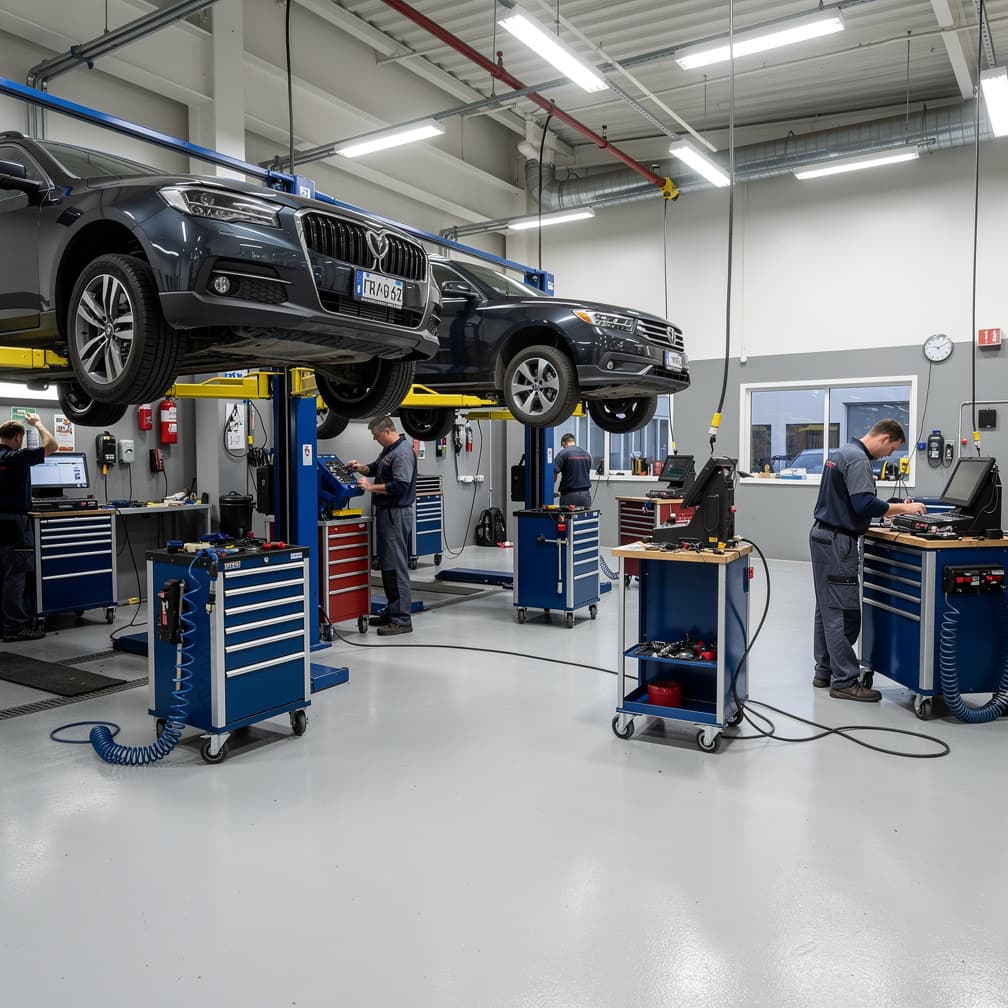
A front line of vehicles parked outdoors faces one set of issues, but overflow units at a secondary storage yard, vehicles staged behind the service drive, and inventory being repositioned between addresses can create different claim questions. Your review should center on where each class of unit is kept, how long it stays there, and whether the policy language matches those locations and movements.
In this state, weather volatility deserves close attention during the coverage review. A loss is not always a single dramatic event. It can be a hail strike across dozens of units, wind driven debris that damages only one side of the lot, or water entering vehicles after broken glass goes unnoticed until the next morning. That makes it important to ask how the policy handles partial damage, multiple affected units in one occurrence, and the records you will need to support pre loss condition and current value.
You should also review how the form treats temporary offsite storage, dealer trades, and vehicles in ordinary handling around the dealership. If your operation uses more than one address, ask for each location to be scheduled correctly and confirm whether unscheduled storage creates a gap. If higher value inventory arrives only during certain seasons or auction cycles, bring that up so limits and reporting expectations fit the way your lot actually changes over time.
A useful next step is to note every place sale inventory can sit for even a short period, then compare that list against the locations, deductibles, and valuation approach shown on the quote.
Coverage Included

Weather Damage
Covers hail, wind, flood, and storm damage to lot inventory.
Theft Protection
Covers vehicles stolen from your lot.

Fire Damage
Covers fire and explosion damage to inventory vehicles.

Vandalism
Covers intentional damage to vehicles on your lot.
Test Drive Coverage
Covers vehicles during customer and employee test drives.

Transit Coverage
Covers vehicles being moved between lot locations.
What Makes Denver Different
Denver County's business base is led by professional, scientific, and technical services at 20.2%, health care and social assistance at 9.8%, and accommodation and food services at 9.1%, so many nearby properties are office, service, and customer-facing sites rather than large industrial parcels. That often leaves dealers working with tighter footprints, shared access points, and stronger expectations around appearance, parking control, and documented risk transfer. If units are stacked into overflow patterns, parked near customer traffic, or moved off the main lot because space is constrained, your review should focus on address accuracy, concentration of values, and how quickly inventory reports can be updated. What changes in the city is not the policy label but the operational pressure created by limited space and constant movement.
Our Recommendation for Denver
Start with your map, not your last renewal. Mark every place a vehicle can sit overnight, including temporary overflow, service holding areas, and any off-site storage you use during busy periods. Then compare that map against the addresses, limits, and reporting assumptions on your current policy. If your inventory mix has moved upmarket, Denver's median household income of $91,681 signals that local buyers may have the budget for more expensive vehicles, which means a single loss could cost more than your current limits anticipate. Older limits may leave a gap if your lot now carries more expensive stock. Ask specifically how newly acquired vehicles are treated, when a location must be reported, and what proof will be expected after a multi-unit loss. Before you request quotes, prepare a current inventory list, recent peak values, and a simple explanation of how units move between locations. That preparation tends to produce a more accurate proposal than sending only a rough car count.
Get Dealer Open Lot Insurance in Denver
Enter your ZIP code to compare dealer open lot insurance rates from carriers in Denver, CO.
Business insurance starting at $25/mo
FAQ
Frequently Asked Questions
Denver dealers often work with tighter layouts and more frequent vehicle movement between primary and overflow spaces. Pay close attention to where vehicles sit, how much value is concentrated in one spot, and whether your inventory reports stay current before you bind or renew.
Denver County has 27,347 business establishments, so third parties often expect fast proof of coverage and organized documentation. Your certificates, location schedule, and inventory records should be ready before financing, leasing, or vendor requests arise.
Denver's median household income is $91,681, and that purchasing power often translates into stronger demand for higher-priced units on your lot. If your stock has shifted upward, review peak lot values and per-location limits so your policy still matches what is actually parked on site.
Denver dealers usually get a more useful quote when they provide a current inventory list, all storage addresses, recent peak values, and a short explanation of how vehicles move between locations. The result is a proposal built around your actual exposure rather than a ballpark figure.
Denver County's leading sectors include professional services, health care, and accommodation and food services, so many dealership sites sit near customer-facing properties. Review parking patterns, shared access, and overflow storage carefully if your lot operates in a tighter commercial setting.
If inventory sits at a main lot, overflow yard, or temporary storage address, list those locations clearly so the quote matches where vehicles are actually exposed.
Weather driven losses in this state can affect many units in one event, so deductible choice, location schedules, and inventory records deserve a closer review during the quoting process.
The Colorado Division of Insurance regulates insurance in the state and can help consumers resolve disputes with carriers, so if you are comparing forms, endorsements, or complaint handling, keep your quote documents and policy changes organized from the start.
Sources
- 1.U.S. Census Bureau, County Business Patterns, Denver County(Denver County has 27,347 business establishments.; Denver County's business base is led by professional, scientific, and technical services at 20.2%, health care and social assistance at 9.8%, and accommodation and food services at 9.1%.)
- 2.U.S. Census Bureau, ACS 5-Year Estimates, table B19013(Denver's median household income is $91,681.)
Updated July 16, 2026