







































Updated July 16, 2026

Inland Marine Insurance in Denver
Denver's rising property values shape how you should think about inland marine insurance. With local median household income at $91,681, many project sites involve finishes, electronics, and specialized equipment that cost more to replace than a basic blanket limit assumes. That income level signals a market where replacement costs routinely outpace generic estimates, so a standard cap can leave you short after one loss. A correctly structured policy can still leave a gap if the limit is too low for what you actually carry in one vehicle or leave overnight at a job site. Before you compare quotes, build a current equipment schedule that separates owned property from customer property so the form can be reviewed cleanly.
Inland Marine Insurance Risk Factors in Denver
Local risk here is less about one city-only peril and more about how often property is left in transition: in vans between calls, in parking structures during load-in, or inside partially secured spaces while work is underway. For inland marine, that changes how you should think about unattended vehicle terms, job site security expectations, and whether scheduled items need individual values instead of a broad unscheduled limit. Colorado's broader natural hazard profile also matters as context, especially for property that spends time outdoors or in transit, so it is worth asking how weather-related damage is handled for equipment in vehicles, at temporary sites, and during loading or unloading. If your crews stack multiple stops into one day, review the **maximum value at any one location**, not just the total value you own. A policy can look adequate on paper and still come up short if your most expensive tools, diagnostic devices, or customer items tend to concentrate in one truck or one project room.
Colorado has a high climate risk rating. Top hazards: Hailstorm (Very High), Wildfire (Very High), Tornado (High), Winter Storm (High). The state's expected annual loss from natural hazards is $2.1B, which influences inland marine insurance premiums and may affect coverage availability in high-risk areas.
What Inland Marine Insurance Covers
In Colorado, inland marine insurance is commonly used to protect mobile business property that leaves a fixed location, including tools, equipment, materials, and goods in transit. The coverage is designed to follow insured property while it is on the road, at a customer site, in staging areas, or installed at a project location, which is a practical fit for businesses that work across Denver, mountain communities, and fast-changing job sites. The product can be written around tools and equipment, goods in transit, contractors equipment, installation floater needs, and builders risk needs, depending on what the business actually moves.
Colorado does not have a single statewide mandate that forces every business to buy this coverage, but requirements vary by industry and business size, and the Colorado Division of Insurance regulates the market. That means policy terms, endorsements, deductibles, and limits are carrier-specific and should be reviewed carefully. In practice, the policy is often used to fill the gap left by commercial property insurance, which usually focuses on fixed premises rather than property that travels.
Because Colorado has very high hailstorm and wildfire exposure, plus winter storms and tornado risk, the condition and storage of mobile property can matter when you compare coverage options. A policy may help cover theft, damage, vandalism, and other perils. For businesses with equipment that moves between job sites or sits in staging areas, the key question is whether the policy matches the way the property is actually used in Colorado.
Coverage Included
Tools & Equipment
Can help repair or replace hand tools, power tools, and gear that are stolen or damaged on the job or in transit.

Goods in Transit
May cover products, materials, and merchandise while they are being shipped or hauled between locations in your care.
Contractors Equipment
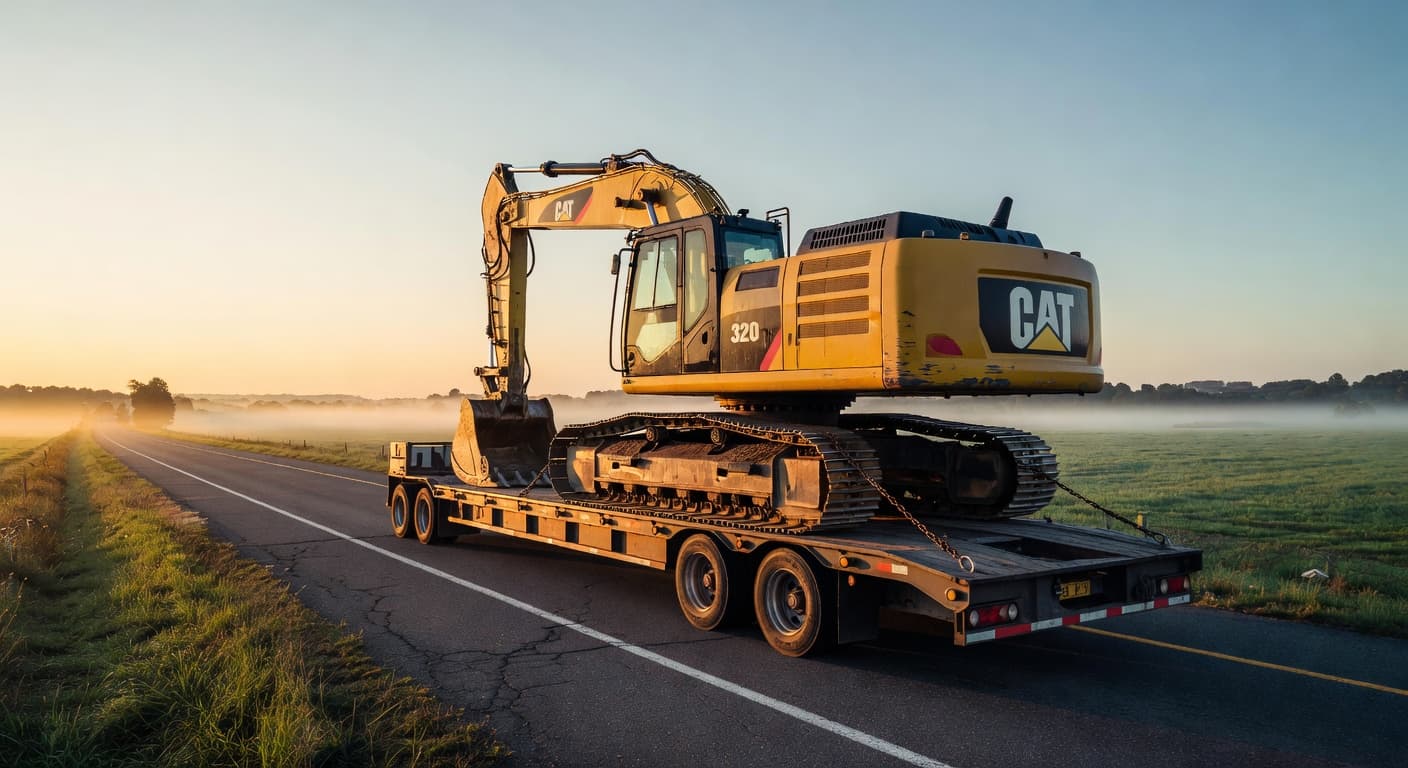
Typically covers heavy machinery like excavators, loaders, and generators against theft or damage at job sites and between them.

Installation Floater
Can help cover materials and fixtures from the moment you buy them until they are installed and accepted at a project.

Builders Risk
May cover a structure under construction, along with materials on site, against damage from fire, wind, theft, and vandalism.
Inland Marine Insurance Cost in Denver
Average Cost in Colorado
$25 - $100
per month
Businesses in Colorado typically see inland marine insurance premiums of $25 - $100 per month, which tends to run 4% above the national range of $20 - $100 per month.
- Total insured value of the scheduled property
- Type and age of the equipment
- Where it is stored and how far it travels
- Jobsite security and theft prevention
- Per-item limits and deductibles
- Prior theft and in-transit losses
Contact CPK Insurance for a personalized quote.
Prices shown are general estimates, not guaranteed rates or quotes. Your actual premium will depend on the insurer, coverage selected, business details, location, claims history, and other underwriting factors. Learn about our pricing methodology.
Colorado inland marine pricing tends to sit above the national average, with a state-specific average range of $25 to $100 per month and a broader product range of about $20 to $100 per month. In this state, cost is usually shaped by coverage limits and deductibles, claims history, location, industry or risk profile, and policy endorsements.
Location matters in a Colorado-specific way because hailstorm risk is rated very high, wildfire risk is very high, and winter storm risk is high. If your property is regularly moved through higher-risk corridors or left at job sites in exposed areas, carriers may look more closely at how it is protected and stored. Property crime and motor vehicle theft rates can also influence how underwriters view mobile business property.
The market is also competitive, with hundreds of active insurance companies in the state. That competition gives you room to compare terms, endorsements, and pricing rather than accepting the first quote you receive. For many buyers, the most important cost question is not just the monthly premium but whether the limit is high enough for the value of the property moving around Colorado job sites.
Industries & Insurance Needs in Denver
Professional services concentration is the local business signal that matters most. In Denver County, there are 27,347 business establishments, and the leading sectors by establishment share are professional, scientific, and technical services at 20.2%, health care and social assistance at 9.8%, and accommodation and food services at 9.1%. That mix means a lot of businesses here rely on portable, revenue-producing property such as testing devices, cameras, laptops, medical-related equipment, leased electronics, and specialized tools that move between offices, client sites, and temporary setups. For an inland marine buyer, the consequence is straightforward: generic limits built around basic contractor tools may miss the value and mobility pattern of professional equipment. If your operation serves offices, clinics, hospitality spaces, or events, ask for item classes and valuation methods that fit the property you actually move, and identify any customer-owned items in your care before binding coverage.
What Makes Denver Different
A contractor may have one truck with ordinary hand tools one day and a much larger total of installed materials, laser equipment, or customer fixtures the next. A technology or service firm may move compact gear that does not look expensive until one loss involves several devices at once. The key local question is not just whether you move property, but what the highest value you ever have in one vehicle, one room, or one temporary location happens to be. Build the quote around that peak exposure, then review whether customer property, rented equipment, and installation exposures should be separated instead of folded into one broad limit.
Our Recommendation for Denver
Start with a simple inventory exercise. List what travels, what stays at temporary sites, what is rented, and what belongs to customers, then assign realistic replacement values, not book values, to the items that would interrupt work if they were stolen or damaged. If your business serves higher-end homes, offices, clinics, or hospitality spaces, pay close attention to customer property and installation-related exposures. One incident can involve materials or equipment that cost more than your standard tool package. Ask how the policy handles property left in vehicles, overnight storage at a project site, and losses during loading and unloading. If you use subcontractors or multiple crews, review whether equipment is pooled, borrowed, or shifted between vehicles during the week. That practice can change the maximum value at risk at any one time. Bring a current schedule and a sample job description to your quote request so limits, deductibles, and endorsements can be reviewed against how work actually moves.
Get Inland Marine Insurance in Denver
Enter your ZIP code to compare inland marine insurance rates from carriers in Denver, CO.
Business insurance starting at $25/mo
FAQ
Frequently Asked Questions
Denver buyers should set limits around the highest total value in one vehicle or one temporary site, not an average day. With local households showing median income of $91,681, you are likely working around finishes and fixtures that cost more to replace than a basic limit assumes. That figure tells you a generic cap probably will not cover the materials sitting in a client's home or office, so your schedule needs real replacement numbers.
Denver County businesses often need it when revenue depends on portable equipment or customer property away from one address. The county has 27,347 business establishments, meaning you are operating in a market where multi-site work and client-site exposure are the norm rather than the exception. That density means your competitors are already carrying broader protection, and a standard property form may not keep pace with what clients expect.
Denver County's business mix supports that use case. Professional, scientific, and technical services make up 20.2% of county establishments, and firms in that sector tend to carry compact, high-value gear that a standard property form may not fully address at a client location. Roughly one in five local businesses fits that profile, so if your work looks similar, a dedicated form may be worth reviewing before your next renewal.
Denver County has meaningful concentrations in health care and social assistance at 9.8% and accommodation and food services at 9.1%, which often means mobile equipment, staged property, and work inside occupied spaces. Those sectors together account for nearly one in five county establishments, so the odds of working near high-value client property are higher than a generic policy assumes. If you serve those sectors, check your customer-property wording and temporary-location limits before binding so a single incident does not outpace your coverage.
In Colorado, it is commonly used for tools, equipment, materials, and goods that move between job sites, customer locations, or staging areas. The policy is designed to follow the property away from a fixed business location, which is useful for contractors and other mobile businesses.
It may help cover property while it is away from your main premises, including at job sites or in staging areas. Colorado buyers should ask how the carrier treats storage conditions, because hail, wildfire, and winter weather can affect the risk profile.
Contractors, electricians, plumbers, landscapers, photographers, caterers, IT service providers, and other businesses that move valuable portable property often need it. It is also relevant for Colorado businesses that ship goods or hold customer property.
Coverage limits, deductibles, claims history, location, industry or risk profile, and policy endorsements all affect pricing. Colorado's above-average premiums, high hail exposure, and competitive carrier market can also influence what a quote looks like.
Sources
- 1.U.S. Census Bureau, ACS 5-Year Estimates, table B19013(Denver median household income)
- 2.U.S. Census Bureau, County Business Patterns, Denver County(Business establishments in Denver County; Leading business sectors in Denver County by establishment share, Professional, scientific, and technical services 20.2%, Health care and social assistance 9.8%, Accommodation and food services 9.1%)
Updated July 16, 2026





