







































Updated July 16, 2026

Liquor Liability Insurance in Denver
Most operators start this review when a lease is ready for signature, an event agreement lands in their inbox, or a new beverage program is about to launch before patio season or holiday traffic. Liquor liability insurance in Denver usually becomes urgent when a landlord, venue partner, or lender asks for proof that your alcohol service exposure is addressed before keys change hands or the first event is booked. The trigger is rarely the same across businesses, since a restaurant adding private events, a gallery pouring at receptions, and a hotel bar tied to group bookings all face different contractual demands. You want the quote to match who serves, where service happens, whether outside bartenders are involved, and how certificates need to be issued for venues or contracts. If your setup changes by season, neighborhood, or event type, ask for those scenarios to be reviewed before you bind coverage, not after a claim or contract dispute forces the issue.
About Liquor Liability Insurance in Denver, CO
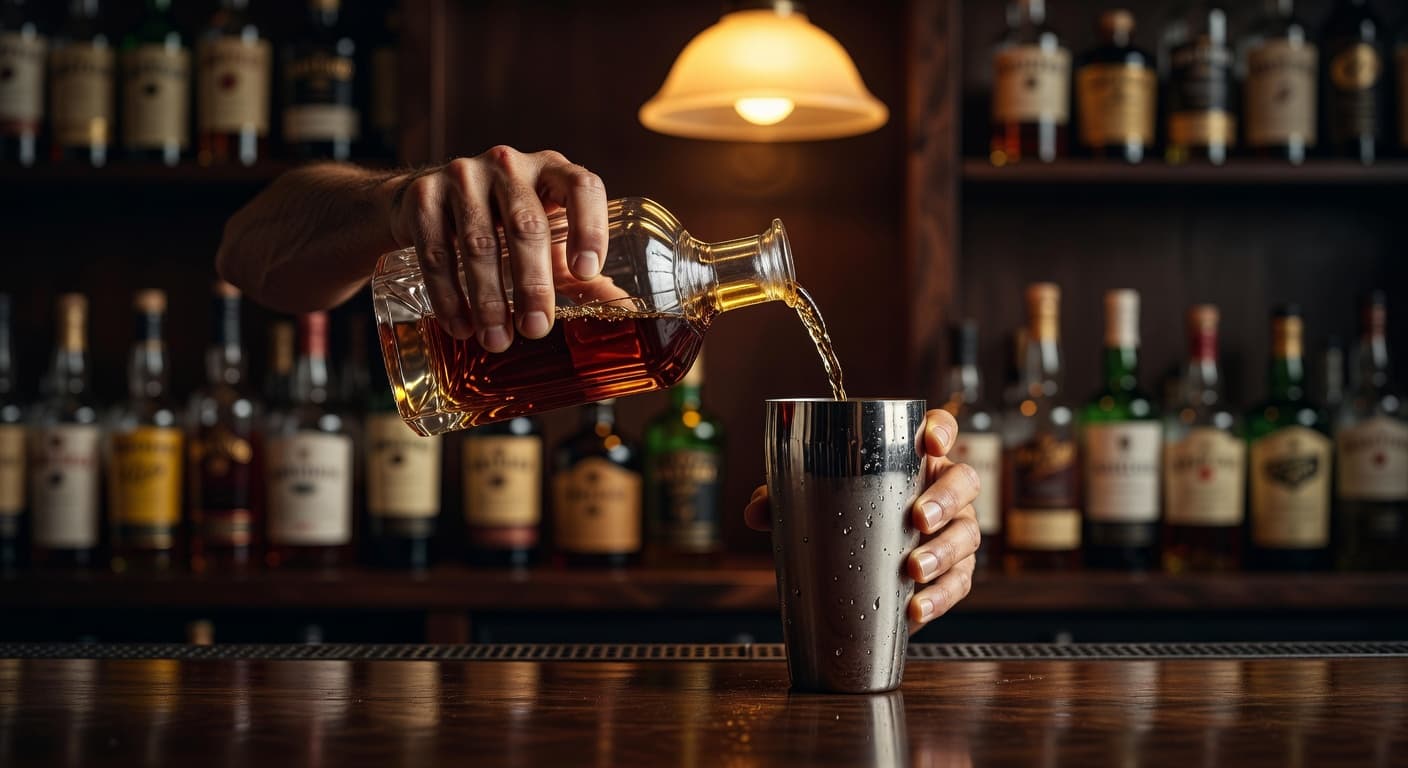
In Colorado, this coverage may help pay for claims tied to alcohol service, especially when an intoxicated patron is alleged to have been overserved and then causes injury. The policy commonly includes bodily injury liability, defense costs, settlements, judgments, assault and battery, and host liquor liability coverage. The exact wording depends on the specific form you buy, which matters because the Colorado Division of Insurance regulates the market and businesses should compare forms carefully rather than assume one carrier's coverage matches another's. Standard general liability usually excludes alcohol-related claims for businesses that regularly sell or serve alcohol, so this is often a separate policy rather than an add-on to a general package. Coverage can also vary based on whether you operate a tavern in downtown Denver, a brewery in Fort Collins, a wedding venue near Colorado Springs, or a hotel in Boulder that only occasionally hosts alcohol service.
Coverage Included
Bodily Injury Liability
Can help cover injuries an intoxicated patron causes to others after your business served or sold them alcohol.

Property Damage Liability
May pay for property damage caused by an intoxicated customer your establishment served, such as a car crash after leaving.

Assault & Battery
Can help cover claims arising from fights or physical altercations involving intoxicated patrons at your bar or restaurant.

Defense Costs
May pay for attorneys, court fees, and related legal expenses when your business is sued over an alcohol-related incident.

Host Liquor Liability
Can help cover alcohol-related claims from events where you host or serve drinks without selling them, like company parties.
Liquor Liability Insurance Cost in Denver
Average Cost in Colorado
$55 - $210
per month
Businesses in Colorado typically see liquor liability insurance premiums of $55 - $210 per month, which tends to run 9% below the national range of $50 - $240 per month.
- Share of sales that comes from alcohol
- Type of venue and how late you serve
- Server training and service procedures
- State dram shop law
- Liquor liability limits selected
- Prior over-service or assault claims
Contact CPK Insurance for a personalized quote.
Prices shown are general estimates, not guaranteed rates or quotes. Your actual premium will depend on the insurer, coverage selected, business details, location, claims history, and other underwriting factors. Learn about our pricing methodology.
Pricing for this coverage in Colorado is shaped by more than just revenue, and it can vary widely by business type, limits, and endorsements. The strongest pricing drivers here are coverage limits and deductibles, claims history, location, industry risk, and policy endorsements. A bar in a dense nightlife area of Denver may be priced differently from a small winery tasting room in a lower-traffic part of the state. A business with prior alcohol-related claims may also see a different quote than a newer operation with no losses. If you want a quote, expect underwriters to ask about service hours, crowd size, event frequency, and whether you need assault and battery, host liquor liability coverage, or broader protection.
Industries & Insurance Needs in Denver
In the county containing Denver, there are 27,347 business establishments, so alcohol service often appears inside a crowded contract environment where landlords, event venues, and commercial counterparties can be selective about insurance terms before they let business proceed. The county mix also matters: accommodation and food services account for 9.1% of establishments, alongside large professional and health care sectors, which means many receptions, client events, fundraisers, and hospitality-driven gatherings happen around businesses that are not bars first. That changes the buying conversation. You may need a policy that fits regular on-premises service, occasional hosted events, or vendor agreements that require additional insured wording and fast certificate turnaround. If alcohol is only one revenue stream or only appears at certain events, bring that operating detail into the quote request so the policy is reviewed around your actual service pattern, not a generic hospitality template.
What Makes Denver Different
In this market, liquor exposure often sits inside a business that does more than pour drinks. The insurance question becomes contractual as much as operational. One week you may be serving at your own premises, the next you may be hosting a sponsored event with a venue agreement, outside security requirements, or a client asking for specific certificate language. Denver County's business base is broad, and accommodation and food services are only one part of it. Many buyers need this coverage reviewed alongside event operations, premises use, and third-party service arrangements rather than as a stand-alone bar policy. If your business model shifts between daily service and occasional events, ask where the policy draws lines around staff service, subcontracted bartenders, off-site functions, and contract-driven insurance requirements.
Our Recommendation for Denver
Start with your contracts, not just your menu. If your lease, event agreement, or venue packet requires proof of liquor liability, line up those insurance requirements before you compare quotes. You can then check limits, certificate timing, and any additional insured requests against the policy being offered. Next, map your alcohol service by scenario. Walk through regular bar or table service, private events, catered functions, ticketed gatherings, and any off-site activity. Gaps are easy to miss when a business is not a bar first. If you use third-party bartenders or rotate between in-house and contracted service, ask how that arrangement is treated and what documentation you should keep. Denver households also have spending power, with median household income at $91,681. That means guests tend to expect polished beverage programs and private events, which raises the stakes if something goes wrong. Review limits with that customer profile in mind before renewal or opening day.
Get Liquor Liability Insurance in Denver
Enter your ZIP code to compare liquor liability insurance rates from carriers in Denver, CO.
Business insurance starting at $25/mo
FAQ
Frequently Asked Questions
Denver restaurants with private events should ask how the policy treats banquet service, buyouts, ticketed functions, and outside bartenders. If your venue contracts require certificates or additional insured wording, gather those documents early so your quote reflects what you actually signed.
A policy reviewed for daily bar operations may not fit a venue that serves only during contracted functions. Ask whether occasional service triggers different underwriting, and make sure the quote accounts for event frequency, who pours, and whether service happens on-site or off-site.
Denver County has 27,347 business establishments. With that many operators competing for leases and venue contracts, detailed insurance requirements tend to be standard rather than exceptional. Certificate turnaround, contract review, and matching coverage to actual alcohol operations matter more here.
Denver County's establishment mix includes accommodation and food services at 9.1%. Roughly one in eleven businesses feeds the hospitality and event pipeline, so insurers see steady activity in this sector. If alcohol service supports lodging, dining, or group functions, ask for the policy to be reviewed around those combined operations.
Denver median household income is $91,681. When guests have more disposable income, expectations for service quality and event production rise accordingly, and a single incident at a high-end function can carry a larger price tag. Use that as a prompt to review limits and contract requirements carefully.
In Colorado, this coverage is designed to respond to bodily injury claims, defense costs, settlements, and judgments tied to alcohol service, including claims involving intoxication and alleged overserving.
Many states require this coverage as a condition of holding a liquor license. Colorado businesses should verify their specific requirements with the Colorado Division of Insurance and their local licensing process.
Average pricing starts at $55 to $210 per month, while broader ranges run $50 to $240 per month depending on limits, deductibles, location, claims history, and endorsements.
Sources
- 1.U.S. Census Bureau, County Business Patterns, Denver County(Denver County has 27,347 business establishments.; Accommodation and food services account for 9.1% of establishments in the county containing Denver.)
- 2.U.S. Census Bureau, ACS 5-Year Estimates, table B19013(Denver median household income is $91,681.)
Updated July 16, 2026





