Updated July 16, 2026

Key Takeaways
- Compare a standalone commercial property policy against a Businessowners Policy using the same deductible, valuation method, and business income assumptions.
- Review whether your building and contents are insured on actual cash value or replacement cost before you accept a lower premium.
- Update your property schedule, equipment list, and inventory values before requesting quotes so limits match what you own now.
- Read your lease and identify which improvements, fixtures, signs, and attached equipment you are responsible to insure.
- Ask for ordinance or law and equipment breakdown to be reviewed if rebuilding costs or mechanical failure could interrupt operations.
Commercial Property Insurance in Colorado
Colorado businesses face a property risk mix that is hard to ignore. Severe hailstorm exposure, major wildfire risk, and heavy winter storm potential define the market. That makes commercial property insurance a practical planning tool for owners who want to address buildings, inventory, fixtures, signage, and equipment for covered losses.
Premium pressure is real. Colorado carries a premium index of 118, meaning coverage costs run roughly 18 percent above the national average. For a policy that might cost $1,000 elsewhere, plan for around $1,180 here, and budget accordingly when you map out your annual expenses. The state also has a large field of active insurers competing for business, which gives buyers options but does not erase risk-based pricing.
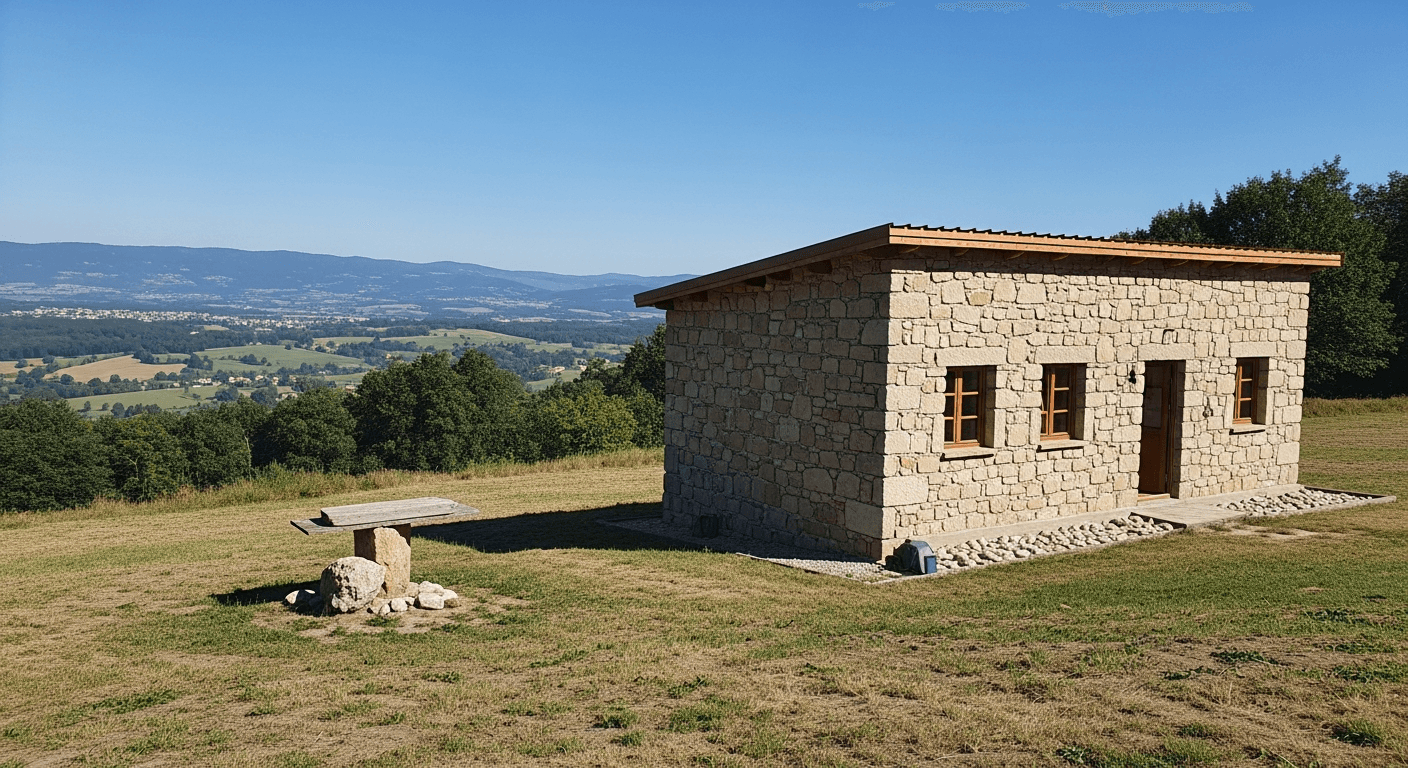
If you operate in the Denver metro area, along the Front Range, or in a mountain community where roofing, siding, and access issues can magnify losses, your policy details matter. Colorado's small-business-heavy economy means many owners are comparing building coverage, business personal property, and business income protection at the same time. Your building type, lease terms, and specific location hazards should drive those decisions.
What Commercial Property Insurance Covers
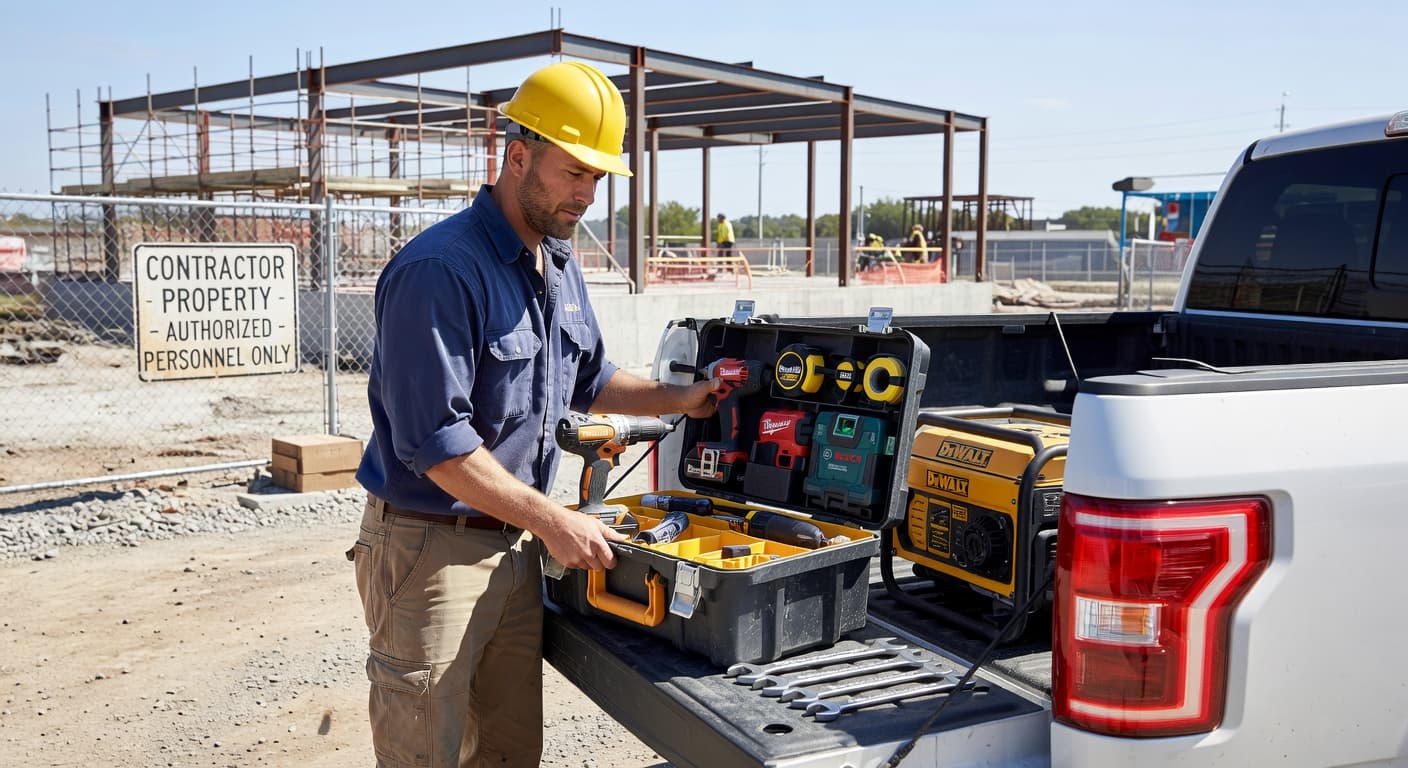
Commercial property insurance can help pay for covered damage to your physical business assets. The way you structure it should reflect local exposure to hail, wildfire, winter storms, and vandalism. If you own the building, building coverage can help pay to repair or replace the structure after a covered fire, windstorm, hail event, or other insured peril. If you lease, business personal property coverage may help pay for your equipment, furniture, fixtures, inventory, computers, and signage inside the rented space.
Roof damage from hail, smoke-related losses from wildfire, and closure time after a severe winter event can create costs that are not obvious at first glance. That is why endorsements matter.
Business income coverage can help with lost revenue and continuing expenses after a covered closure. Equipment breakdown coverage may be important for businesses that rely on specialized mechanical or electrical systems. Ordinance or law coverage can matter if a local repair triggers code-related rebuilding obligations. Standard policies generally do not cover every loss, and flood damage is excluded from standard commercial property forms, even outside a mapped flood zone. The Colorado Division of Insurance regulates the market but does not set a universal property insurance mandate for all businesses. That means your policy has to be built around your property, your lease, and the hazards specific to your part of the state.

Building Coverage
Can help pay to repair or rebuild your building after covered damage like fire, wind, or vandalism.

Business Personal Property
Can help replace furniture, inventory, equipment, and supplies inside your building when a covered event damages or destroys them.
Business Income
May replace lost revenue and help cover ongoing expenses like payroll and rent while covered damage keeps your business closed.

Equipment Breakdown
Typically covers sudden mechanical or electrical failure of equipment like HVAC systems, boilers, or refrigeration units, which standard property policies often exclude.
Ordinance or Law
Can help cover the added cost of rebuilding to current building codes after a covered loss to an older structure.
Commercial Property Insurance Requirements in Colorado
- Colorado commercial property insurance is regulated by the Colorado Division of Insurance, but there is no universal state mandate requiring every business to buy it.
- Separately, workers' compensation is required for Colorado businesses with at least one employee, but that requirement is distinct from property coverage.
- Standard commercial property policies exclude flood damage, so Colorado businesses facing flash flooding or mudslide exposure may need separate flood coverage.
- Ordinance or law coverage can be important if local rebuilding rules increase repair costs after a covered loss.
How Much Does Commercial Property Insurance Cost in Colorado?
Average Cost in Colorado
$80 - $290
per month
Businesses in Colorado typically see commercial property insurance premiums of $80 - $290 per month, which tends to run 4% above the national range of $65 - $290 per month.
- Building value and construction type
- Roof age and condition
- Fire protection class
- Occupancy and the operations inside the building
- Business personal property and equipment values
- Wind and hail deductible terms
Contact CPK Insurance for a personalized quote.
Commercial property insurance cost in Colorado is influenced by a mix of property conditions and statewide risk. That spread reflects above-national-average premiums, plus the reality that a competitive market gives buyers options without erasing risk-based pricing.
Hail exposure is a major factor because Colorado's hailstorm risk is rated severe, and roof age, roof material, and prior claims can matter a lot in underwriting. Wildfire risk is also significant, especially for businesses near the foothills, mountain corridors, or other areas with heavier fuel loads and harder evacuation access. Winter storm exposure adds pressure too, particularly where snow load, freeze damage, or access delays can complicate repairs.
Colorado's small-business economy matters as well. According to the U.S. Small Business Administration, over 99 percent of Colorado businesses are small operations. That means many owners are buying their first commercial policies with limited budgets, making it critical to prioritize the coverages that protect your most expensive assets first. The best way to evaluate quote options is to compare limits, deductibles, replacement cost versus actual cash value, and any endorsements you need for business interruption or equipment breakdown.
| Property Type | What's Covered | Common Exclusions |
|---|---|---|
| Building | Structure, roof, systems, permanent fixtures | Flood, earthquake, normal wear |
| Business Personal Property | Equipment, inventory, furniture, computers | Employee personal property, vehicles |
| Tenant Improvements | Build-outs, custom installations, modifications | Structural changes without landlord approval |
| Business Income | Lost revenue during covered shutdown | Losses from non-covered perils |
| Extra Expense | Additional costs to minimize shutdown | Costs not related to covered loss |
Building
- What's Covered
- Structure, roof, systems, permanent fixtures
- Common Exclusions
- Flood, earthquake, normal wear
Business Personal Property
- What's Covered
- Equipment, inventory, furniture, computers
- Common Exclusions
- Employee personal property, vehicles
Tenant Improvements
- What's Covered
- Build-outs, custom installations, modifications
- Common Exclusions
- Structural changes without landlord approval
Business Income
- What's Covered
- Lost revenue during covered shutdown
- Common Exclusions
- Losses from non-covered perils
Extra Expense
- What's Covered
- Additional costs to minimize shutdown
- Common Exclusions
- Costs not related to covered loss
How Colorado compares with the national baseline
Property crime per 100,000 residents
3,190 vs 2,200 baseline
Property crime in Colorado runs above the national average, at 3,190 vs 2,200 incidents per 100,000 residents.
Blue bar: Colorado. Gray line: national baseline.
Prices shown are general estimates, not guaranteed rates or quotes. Your actual premium will depend on the insurer, coverage selected, business details, location, claims history, and other underwriting factors. Learn about our pricing methodology.
Request a Quote Comparison
Enter your ZIP code to compare commercial property insurance rates from top carriers.
Business insurance starting at $25/mo
Who Needs Commercial Property Insurance?
Business property insurance is relevant for owners who have physical assets that would be expensive to replace after fire, hail, theft, vandalism, or storm damage. Professional and technical service firms in places like Denver, Boulder, and Fort Collins often have computers, furnishings, and leased-office improvements that fit business personal property coverage. Retailers across the Front Range and in tourist corridors usually need protection for inventory, signage, and tenant improvements, especially because property crime and burglary remain part of the local risk picture.
Restaurants, cafés, and accommodation and food service businesses should look closely at building coverage if they own their premises, and at business income coverage if a covered loss would interrupt operations during peak seasons. Construction-related firms may need stronger attention to equipment breakdown coverage and higher limits for tools, materials, and stored supplies. Healthcare and social assistance operators often carry specialized equipment and furniture that can be costly to restore after water, fire, or vandalism damage.
Workers' compensation is required for businesses with at least one employee, but that is separate from property coverage. A company can be compliant on labor insurance and still be exposed to a major building or inventory loss. Owners in mountain communities, wildfire-adjacent suburbs, and hail-prone urban corridors should not assume a lease shifts all risk away, because tenant improvements, fixtures, and business income exposure can still fall on the occupant. If your business depends on a physical location, commercial building insurance or a policy built around rented-space assets is worth reviewing before a loss tests your recovery plan.
Commercial Property Insurance by City in Colorado
Commercial Property Insurance rates and coverage options can vary across Colorado. Select your city below for localized information:
How to Buy Commercial Property Insurance
Buying commercial property insurance starts with matching the policy structure to how you use the space. If you own the building, ask for building coverage and review whether replacement cost or actual cash value fits your budget and risk tolerance. If you lease, focus on business personal property coverage, tenant improvements, and any landlord-required limits in the lease. Because coverage requirements vary by industry and business size, the Colorado Division of Insurance does not replace the need to compare forms, endorsements, and deductibles carefully.
A practical quote process usually begins with property details. Address, square footage, construction type, roof age, occupancy, security features, fire protection, prior claims, and a list of equipment, inventory, and furnishings all matter. Colorado carriers will also look at location-specific risk, including hail exposure, wildfire proximity, and winter access. Since the market is broad and active, it is smart to request more than one quote and compare how each carrier handles roof damage, replacement cost, business income, and ordinance or law coverage.
If your business has a higher-value property or specialized equipment, ask whether equipment breakdown coverage is available as an endorsement. Review business income coverage carefully if a shutdown would disrupt rent, payroll, loan payments, or taxes. Keep records of improvements, serial numbers, photos, and replacement invoices, because those documents can speed underwriting and help support a future claim. Request a quote through CPK Insurance to compare your options with participating licensed providers.
How to Save on Commercial Property Insurance
The most effective way to reduce commercial property insurance cost is to lower avoidable risk before you ask for a quote. Roof condition matters in a hail state, so keeping the roof maintained, documenting repairs, and using impact-resistant materials where appropriate can help with underwriting conversations. Because wildfire and winter storm exposure are major local rating factors, businesses near foothills, wooded areas, or high-snow regions may benefit from defensible-space improvements, better site maintenance, and clear access for emergency response. Those steps do not guarantee a lower premium, but they can improve how a carrier views your risk.
Higher deductibles often reduce premium, but only if your business can absorb the out-of-pocket cost after a loss. That tradeoff is especially important in Colorado, where hail claims and roof repairs can be expensive. Replacement cost versus actual cash value also affects price, with replacement cost generally costing more but providing stronger claim support. If you need business income coverage, choose a waiting period and limit that reflect your cash flow rather than buying more than you can use.
Bundling can also help. A Business Owners Policy may combine commercial property with other coverages, and some small businesses prefer that structure for simplicity. Ask carriers whether security systems, sprinkler protection, monitored alarms, or other property protections affect pricing. Colorado businesses should compare quotes from multiple carriers because the state has a broad and active market, and different insurers may weigh hail, wildfire, and roof characteristics differently. Finally, remove obsolete equipment, update inventory schedules, and keep your property list current so you are not paying to insure assets you no longer use.
Our Recommendation for Colorado
For Colorado buyers, the smartest first step is to build the policy around your location, not around a generic business profile. If you are in a hail-prone city, a wildfire-adjacent corridor, or a winter-access area, ask how the carrier handles roof damage, smoke, and closure time before you bind coverage. If you lease, verify tenant improvements and business personal property coverage so you do not leave buildout costs exposed. If you own the building, review building coverage, replacement cost terms, and ordinance or law coverage together.
Because Colorado premiums run above the national average and the market is competitive, a good quote comparison should focus on limits, deductibles, endorsements, and claim settlement terms, not just the monthly number.
FAQ
Frequently Asked Questions
In Colorado, it may help pay for owned buildings, business personal property, inventory, furniture, fixtures, signage, and equipment for covered losses like fire, hail, windstorm, theft, vandalism, and some water damage. Because hail and wildfire are major local hazards, many owners also review roof terms and smoke-related damage carefully.
Costs vary widely based on limits, deductibles, property type, location, claims history, and endorsements. Hail exposure and wildfire proximity can push pricing higher.
Yes, if you have equipment, inventory, furniture, tenant improvements, or signage you want protected. A lease may also require you to carry a certain level of property coverage, so it is important to compare your lease terms with the policy limits.
Ask about building coverage, business personal property coverage, business income coverage, equipment breakdown coverage, and ordinance or law coverage. The right mix depends on whether you own the property and how long you could operate after a covered loss.
Gather your address, square footage, roof age, construction details, security features, fire protection, inventory value, equipment list, and prior claims. Then request a quote through CPK Insurance to compare your options with participating licensed providers.
Choose a deductible you can realistically afford after a hail, fire, or winter storm claim. Higher deductibles may lower premium, but Colorado businesses should make sure the out-of-pocket amount will not strain cash flow after a property loss.
No, standard commercial property policies do not cover flood damage. If your business faces flash flooding, mudslides, or other flood-related exposure, you would need separate flood coverage.
Commercial property insurance in the U.S. generally addresses buildings, contents, and related property exposures described in the policy. III says a BOP covers any buildings the business owns and much of the property needed to run the business, so your declarations and endorsements matter.
Sources
- 1.iii.org
Updated July 16, 2026