







































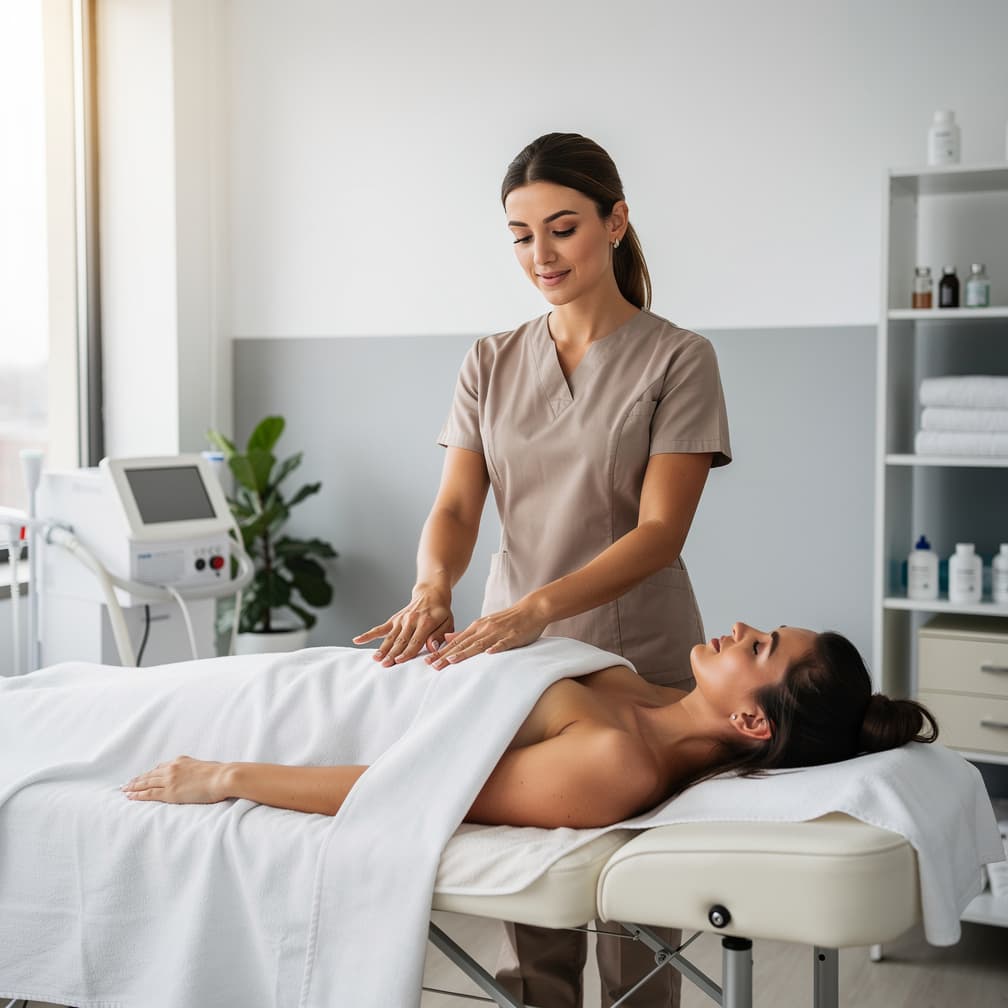

As a holistic therapy provider in Lakewood, the file that decides your claim is one you write yourself. Intake forms, contraindication notes, what a client told you, what you told them back: that record is the defense, and the limit you bought is what funds the argument. Where the record is thin, the argument is about memory, and memory loses. This is why holistic therapy provider insurance in Lakewood is worth buying before you feel exposed rather than after a complaint lands, since coverage generally answers to what was in force when the alleged harm happened. Late is late. Keep the notes complete and boring, get the dates right, and compare quotes on their reporting terms as closely as you compare the premium.
What Makes Lakewood Different
Market size decides how much of your paperwork is negotiable and how much of it arrives pre-decided. Where buyers are large the clauses come stamped, and where they are small you may be the one proposing terms. Either way you need your own limits settled before the conversation, because negotiating a limit you have never priced is guessing out loud. A quote takes ten minutes and settles that question for a year. Pricing a practice in Lakewood follows the same inputs it follows anywhere: services listed, practitioners counted, claims disclosed, property valued. Nothing on that list is a local mystery, which is why the comparison is worth doing properly rather than quickly. Get three quotes from participating carriers in Colorado on identical specifications and the market tells you what your risk is worth.
Local Risk Factors in Lakewood
Cosmetic damage clauses are where hail claims quietly die. A form may exclude damage that does not affect function, which sounds reasonable until a dented rooftop unit stops cooling the room a month later. For a trade that runs on comfort, a treatment space that cannot hold a temperature is a space that cannot book. Ask whether the form covering a Lakewood practice carries a cosmetic exclusion and what it means for the equipment above your ceiling. Then ask what the deductible is, because hail is one of the few perils where the deductible in Colorado can dwarf a modest repair bill.
What Coverage Does a Holistic Therapy Provider in Lakewood Need?
General Liability
Landlords, suite operators, and booking platforms ask for this one by name, because it speaks to people who are not you: a guest who trips in the waiting area, a coat ruined by oil, a bag knocked off a chair. It typically does nothing about an allegation that a treatment itself caused harm.
Example: A first-time client steps around your reception desk, catches a curled rug edge, and lands hard on a wrist. The demand that follows may fall to a general liability limit rather than to your savings.
Professional Liability
Nothing about a slip or an emptied supply cabinet belongs here. This line is meant for the allegation that your work caused harm: a session that made symptoms worse, a recommendation that missed a contraindication, guidance a client says they relied on. Defense typically sits inside it, while intentional acts and undeclared modalities usually sit outside.
Example: Weeks after a deep tissue session, a client reports a nerve injury and hires a lawyer to argue the pressure caused it. Professional Liability could carry the defense long before anyone decides whether it did.
Business Owners Policy
Two policies in one package, written for small practices because most need the same two things: the room and its contents on one side, the visitor liability on the other. It can suit a single treatment space in Lakewood that would otherwise buy both separately. The treatment allegation is generally not inside it.
Example: A pipe fails above the ceiling overnight, and the water finds the table, the linens, and the cabinets by the time you unlock. A business owners policy might answer for the contents and the closure together.
Commercial Property
The table, the cabinets, the linens, the sound system, the supplies, and any build-out you paid for: those are what this line is written around, especially where a lease leaves improvements as your responsibility. Fire, theft, vandalism, and storm damage are the causes of loss it may consider. Flood typically sits outside it.
Example: Someone forces the back door over a long weekend and the cabinet of oils, stones, and needles leaves with them, along with the sound equipment. Commercial Property may respond, subject to the deductible and how the space was secured.
How Much Does Holistic Therapy Provider Insurance Cost in Lakewood?
Holistic Therapy Provider Insurance is a bundle of separate policies, priced separately. The ranges below are typical figures for Lakewood for each line; a quote prices each one against your own operations.
| Coverage | Typical range | What moves your price |
|---|---|---|
| General Liability Insurance | $45 - $140 per month | Industry and risk classification, annual revenue, number of employees |
| Professional Liability Insurance | $80 - $250 per month | The services you actually perform, annual revenue or billed fees, limit and retention selected |
| Business Owners Policy Insurance | $65 - $190 per month | Annual revenue and industry class, building and contents values, square footage and building age |
| Commercial Property Insurance | $55 - $160 per month | Building value and construction type, roof age and condition, fire protection class |
Prices shown are general estimates, not guaranteed rates or quotes. Your actual premium will depend on the insurer, coverage selected, business details, location, claims history, and other underwriting factors. Learn about our pricing methodology.
What Are the Insurance Requirements for a Holistic Therapy Provider in Lakewood?
Workers' comp is generally required once you have your first employee. Colorado generally requires employers to carry workers' compensation at that point. Common exemptions include sole proprietors, partners in partnerships, and members of LLCs. Confirm current thresholds with your state's workers' compensation agency before you hire.
Where to verify licensing and coverage rules. The Colorado Division of Insurance publishes consumer guidance and current insurance requirements for Colorado businesses. When a contract or lease demands specific wording, the Colorado Division of Insurance's guidance is the authoritative place to check.
Get Your Holistic Therapy Provider Quote in Lakewood
Compare rates from multiple carriers. Free quotes, no obligation.
Operating in Lakewood
- A suite manager in Lakewood can withhold the door code until a current certificate names them, which means the policy has to exist before the booking rather than the week the booking starts.
- Clients hand you their coats and bags and then lie down, and items in your care are treated differently by a General Liability form than a stranger's property is.
- Linens go out to a service and come back late or ruined, and while the loss itself is small, the sessions you cancel over it are revenue that generally sits outside any policy you hold.
- Waiting rooms produce claims before treatment even starts: a guest catches a rug edge, lands on a hip, and the person you never touched becomes the file with your name on it.
How to Buy: Advice for Lakewood Owners
When a complaint arrives the clock has already started, and what you do in the first week shapes the year. Do not argue the merits with the client, do not offer a refund as a settlement, and do not write anything you have not thought through. Report it to the carrier the way the policy tells you to report it, because late notice is a real reason a claim gets contested. Professional Liability typically responds to reported claims on its own terms, and those terms sit in the form you already signed. Read them before the complaint, not after it. The Colorado Division of Insurance publishes consumer guidance on the claims process. All of this is easier when the policy came from a comparison rather than a rush, so gather quotes from participating carriers in Colorado while nothing is happening.
FAQ
Holistic Therapy Provider Insurance in Lakewood: FAQ
Arguably more, since you are working in a space you cannot control. The professional exposure travels with you, and an allegation about a treatment does not care whose living room it happened in. Damage to a client's belongings while you are there is a separate question, and some forms narrow it when the item was in your care. Ask how a policy treats work away from your own premises, whether that means a home across Lakewood or a room you borrowed for an afternoon.
Expect questions about your modalities, years in practice, number of practitioners, annual revenue, the value of equipment and contents, prior claims, and the limits any lease imposes on you. Write those down before you start, because a guess becomes a repricing later. If a Lakewood lease sets your limits, copy the wording exactly instead of paraphrasing it from memory.
Typically no. Standard property forms exclude flood, and that cover is written and priced separately, often through a specialist or a federal program. The distinction bites where water arrives from outside the building rather than from a pipe inside it, because those two events land on opposite sides of the exclusion. Confirm how your form defines flood, since the definition may be broader than you assume.
The per-occurrence figure caps what a policy may pay on one client's claim. The aggregate caps the whole policy year. Two disputed treatments in the same twelve months draw on that single aggregate, and the money spent defending the first can shrink what remains for the second. Ask whether defense costs count against the limit, because that term decides how far the number on the quote actually goes.
Often not. Someone running their own practice in your space is usually their own risk, and your form may say so in plain terms. That still leaves you exposed when a client sues everyone whose name is on the door. Ask for their certificate, ask to be named on it, and describe the arrangement to your own carrier so nobody is surprised at claim time.
That is third-party property damage, and General Liability is the usual home for it, subject to how the form treats items in your care, custody, or control. Some policies narrow or exclude property you were minding, which is exactly what a coat on your hook is. Read that clause before assuming a small loss is payable, and consider whether the hook by the door is worth the argument.
Sources
- 1.Colorado Division of Insurance(Colorado Division of Insurance publishes consumer guidance for insurance buyers.)


