







































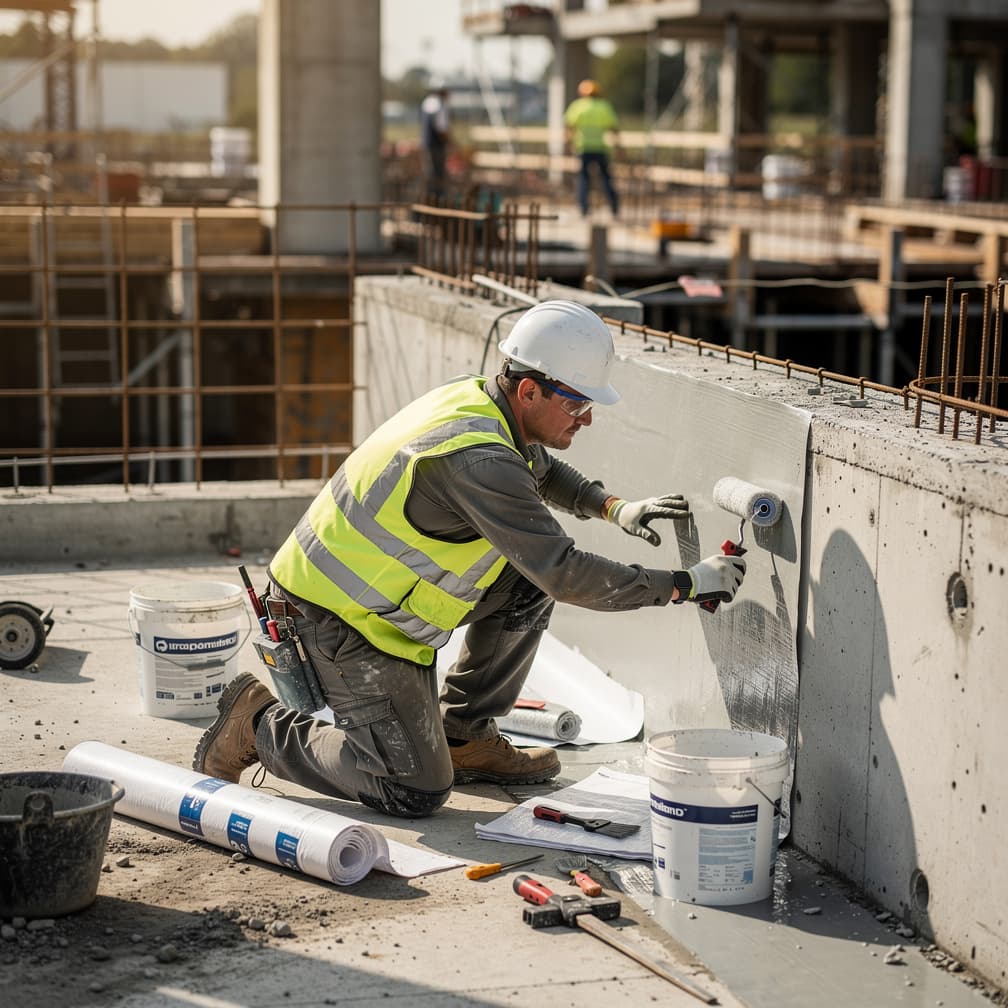

General Liability for a small waterproofing outfit typically runs from $35 to $130 a month, and where you land inside that band has little to do with luck. Payroll, the split between residential and commercial work, and whether you touch occupied buildings all push the figure around. Your claims history pushes it hardest of all. Waterproofing contractor insurance in Lakewood gets priced off what you actually do, so a quote built on a guess about your work mix is a quote you cannot lean on, whether the job sits in Jefferson County or two counties over. Bring real payroll and a plain description of your scope, including the sealant and injection work, and the range narrows fast. Shopping that same accurate submission to several participating carriers is how you find out how wide the spread really is.
What Makes Lakewood Different
Permit offices and municipal contracts can require proof of coverage before a below-grade job proceeds. Requirements vary by city, and they change without telling the contractors who have to meet them. Rules vary by state as well, and the Colorado Division of Insurance publishes the current requirements for contractor coverage. A permit that stalls does not stall alone, because the excavation sits open while everyone waits. Open excavation against a foundation is a liability you own every day it stays open. If a job in Lakewood needs a filed certificate, the filing date belongs in your schedule. Treat proof of coverage as a lead-time item, the same way you treat a material delivery. The policy is the least expensive part of the job and the easiest one to be late on.
Local Risk Factors in Lakewood
A dented van, a cracked windshield, and a truck bed of ruined material is what one heavy cell in Jefferson County can leave behind. Comprehensive coverage under a Commercial Auto policy is what may answer for the vehicles, assuming you bought that piece rather than the liability portion alone. Plenty of owners learn which one they carry after the fact. Material staged at a job site is a separate question with a separate answer, and the answer is rarely the auto policy. Ask what your vehicles actually carry before the sky over Lakewood makes the question urgent.
What Coverage Does a Waterproofing Contractor in Lakewood Need?
General Liability
Water gets past your membrane and into a client's flooring, framing, and stored goods, and the demand that follows is what this line exists for. It can help cover third-party property damage and injuries tied to your work, including a visitor who goes down on a wet garage slab. Tearing out and redoing your own failed installation is work product, and standard forms typically leave it outside.
Example: An injection job seeps overnight, soaking a finished lower level's flooring and the inventory a client stacked against the wall. The repair demand and the lawyer's letter behind it are the kind of claim this line may take on.
Workers Compensation
General contractors and building owners ask for proof of it before your crew reaches the site, and requirements vary by state once you have employees. It might help cover medical care and lost wages after an installer slips on a wet slab, strains a back hauling pails, or reacts badly to fumes in a sealed crawl space. Owners who exclude themselves still have to document that choice.
Example: An installer in a Lakewood crawl space loses his footing on wet plastic sheeting and tears a shoulder. The medical bills and the weeks he cannot work are what this coverage is meant to address.
Commercial Auto
A personal auto policy typically excludes the trip the moment your van is carrying pails, pumps, and crew between job sites. This is the line that may answer instead, for injuries and property damage after an at-fault accident, and for the vehicle itself where you bought that piece rather than liability alone. Tools inside the van are usually a separate question with a separate answer.
Example: A loaded van rear-ends a sedan on the way to an emergency callback, bending two bumpers and a driver's neck. The claims coming from the other car could land here.
Commercial Umbrella
Limits run out quietly. When one leak reaches several units and the demands arrive together, a primary liability limit can be exhausted before the file closes, and this line sits above the ones you already carry to add height. It generally follows those underlying policies, including the auto line, and it requires minimum limits sitting beneath it.
Example: A membrane failure in a mixed-use building wets two tenants and a mechanical room, and the combined demands run past the primary limit. Coverage stacked above it might pick up the rest.
How Much Does Waterproofing Contractor Insurance Cost in Lakewood?
Waterproofing Contractor Insurance is a bundle of separate policies, priced separately. The ranges below are typical figures for Lakewood for each line, except workers compensation, which is rated per $100 of payroll; a quote prices each one against your own operations.
| Coverage | Typical range | What moves your price |
|---|---|---|
| General Liability Insurance | $220 - $625 per month | Industry and risk classification, annual revenue, number of employees |
| Workers Compensation Insurance | $0.75 - $2.74 per $100 of payroll | Employee classification codes, total annual payroll, experience modification rate |
| Commercial Auto Insurance | $270 - $725 per month | Fleet size and vehicle types, driver records and experience, coverage limits and deductibles |
| Commercial Umbrella Insurance | $90 - $280 per month | Umbrella limit requested, limits carried on the underlying policies, loss history on those underlying policies |
Prices shown are general estimates, not guaranteed rates or quotes. Your actual premium will depend on the insurer, coverage selected, business details, location, claims history, and other underwriting factors. Learn about our pricing methodology.
What Are the Insurance Requirements for a Waterproofing Contractor in Lakewood?
Workers' comp is generally required once you have your first employee. Colorado generally requires employers to carry workers' compensation at that point. Common exemptions include sole proprietors, partners in partnerships, and members of LLCs. Confirm current thresholds with your state's workers' compensation agency before you hire.
State auto liability minimums apply to business vehicles. Colorado's minimum auto liability limits are $25,000/$50,000/$15,000 (bodily injury per person / per accident / property damage). Contracts and lenders often require more than the state floor.
Where to verify licensing and coverage rules. The Colorado Division of Insurance publishes consumer guidance and current insurance requirements for Colorado businesses. When a contract or lease demands specific wording, the Colorado Division of Insurance's guidance is the authoritative place to check.
Get Your Waterproofing Contractor Quote in Lakewood
Compare rates from multiple carriers. Free quotes, no obligation.
Operating in Lakewood
- Payment terms and certificate terms travel together, and a general contractor in Lakewood can hold your final draw until the paperwork matches the subcontract word for word.
- Water damage claims scale with the building instead of with your fee, so a small deck coating above an occupied unit can carry the same exposure as a full basement system.
- Loss runs follow you between carriers across Colorado, and a stale reserve sitting on a closed claim makes your file look worse than the shop you actually run today.
- A tenant who never signed anything with you can still bring a claim when their stock gets wet. Third parties need no contract with you at all to send a demand letter.
How to Buy: Advice for Lakewood Owners
The insurance exhibit buried in a subcontract decides more than the scope page does, so read it before you price a Lakewood basement. It names your limits, the additional insured wording, and whether your policy has to sit primary, and those three items decide what you actually need to buy. General Liability is the line most exhibits are written around, and the limit they ask for is often higher than a residential-only policy carries. If the work runs into occupied space, ask whether completed operations status stays in force after your crew leaves, since a membrane failure surfaces later. Workers Compensation gets its own line in most exhibits, and a sub without it can land on your audit. The Colorado Division of Insurance publishes the current requirements for contractor coverage in Colorado, which is worth reading before you assume anything. Once you know what the contract demands, compare quotes from participating carriers against that exact spec, which is the comparison CPK is built to line up.
FAQ
Waterproofing Contractor Insurance in Lakewood: FAQ
The per-occurrence limit is the most a policy may pay for one leak. The aggregate is the ceiling on everything a single policy year produces. Two bad basements in one year can exhaust that aggregate, leaving every later job standing behind nothing. Per-project aggregate wording separates one client's claim from the rest, which is why large owners ask for it by name in their exhibits.
Generally no. Redoing your own installation is your work product, and standard forms typically exclude it. Damage that the failure causes to other property is a different question, and that is where the liability side may come in. Price your warranty work knowing the redo sits with you, and keep photographs of substrate conditions so the argument stays about facts rather than memory.
Water shows up late, so a complaint can certainly arrive long after your last day on site. Completed operations coverage is the part of a liability form aimed at exactly that, and it matters more here than in trades whose mistakes are visible the same afternoon. Check that additional insured status you granted a client also survives past project close, since contracts often require it to.
Payroll by role, revenue, a vehicle list with drivers, a scope description covering membranes, coatings, injection, and drainage, and three years of loss runs. If a claim sits on those runs, add a short paragraph on what changed since. Whether the work sits in Jefferson County or across the line, your travel radius belongs in the submission too, because anything left vague gets settled at audit.
Homeowners rarely ask for certificates, which is not the same thing as an absence of risk. A finished lower level holds flooring, cabinetry, and mechanical equipment, so a leak into it can generate a demand many times what you charged to seal the wall. Coverage responds to the loss rather than to whoever asked for proof, and the truck exposure follows you regardless.
The certificate itself is often same-day. The endorsement a contract demands is not, and the endorsement is the piece that delays your start. Additional insured wording, waivers of subrogation, and primary and noncontributory language all pass through underwriting first. If a Lakewood project manager asks for specific language, send it to your carrier the day it lands rather than the week work begins.
Sources
- 1.Colorado Division of Insurance(Colorado Division of Insurance publishes consumer guidance for insurance buyers.)


