







































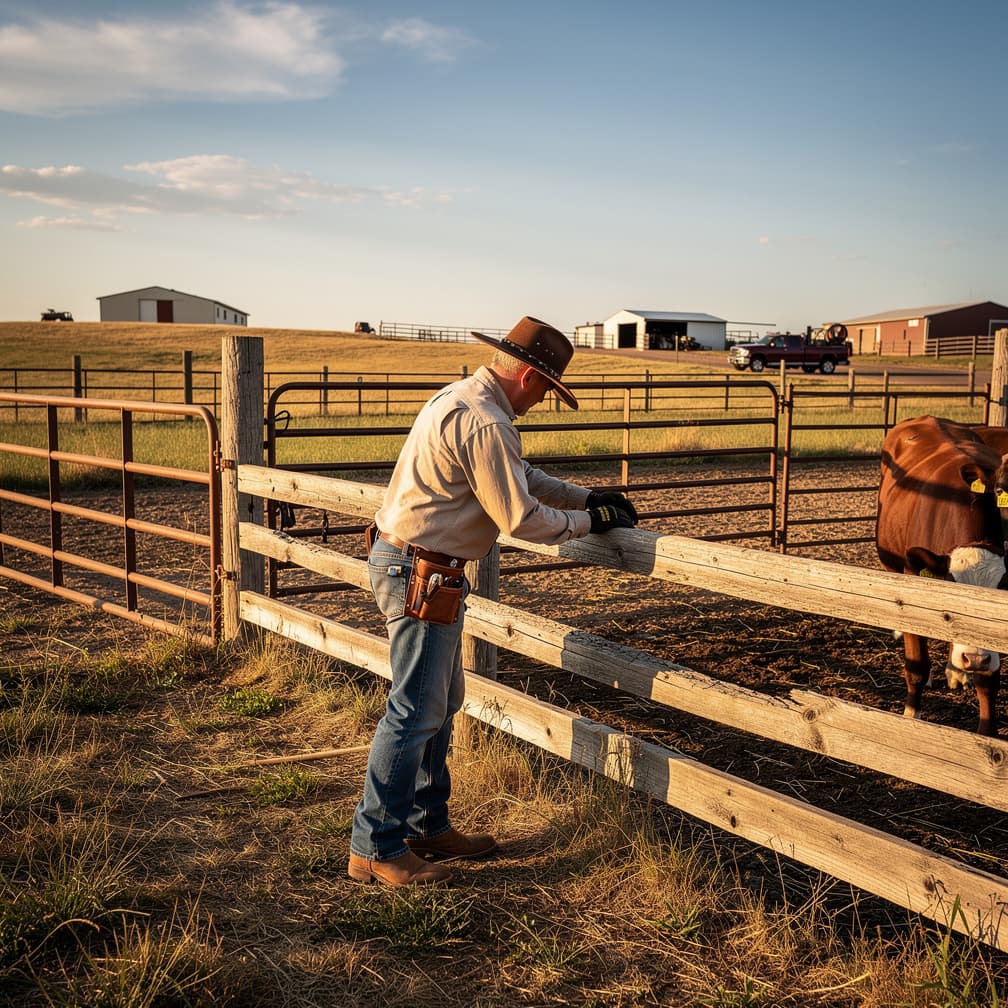

Participating carriers in Colorado do not read a ranch the same way, and their forms differ on points you would assume were settled: whether livestock counts as property, whether a trailer follows the truck, how hired help is treated. That variation is why two quotes for ranch insurance in Pueblo can differ by more than the price suggests. One may schedule your equipment by item; another may lump it into a blanket figure that looks generous and pays like an estimate. Read what is scheduled and what is merely described. When the same submission goes to several carriers, the real differences hide in the endorsements rather than the headline. Bring your equipment list and your hauling details, and the comparison stops being guesswork.
What Makes Pueblo Different
Handshake arrangements still run a great deal of ranch work, and they do not survive a serious injury. A neighbor who lets you cut hay on shares may never once ask for a certificate. Trouble starts when that same neighbor's insurer goes looking for a second policy to share the loss. Being asked for proof after the fact is worse than being asked before, since you cannot buy backward. If someone near Pueblo lends you ground on trust, write down who carries what before stock goes in. That single page is the difference between a claim and an argument with a friend. Participating carriers in Colorado ask who else was involved before a dollar moves anywhere. Two uninsured parties settle these by whoever can afford a lawyer longer, which suits nobody in ranching.
Local Risk Factors in Pueblo
Hail flattens what it hits and leaves the rest looking fine, which is why these claims turn into arguments. A dented metal roof, a bent water tank, a cracked windshield in the ranch truck, and pasture stripped bare all happen inside ten minutes. Commercial Property may respond to the roof and the buildings, often with a separate hail deductible figured as a percentage. The truck sits on a different policy: physical damage under Commercial Auto is what would answer the glass and the body, and it is optional on some quotes. Ask whether your roof is insured on replacement cost or actual cash value, since an aging roof depreciates fast. That single term matters more in Colorado than any discount, and it belongs in the comparison before you buy in Pueblo.
What Coverage Does a Ranch in Pueblo Need?
General Liability
Ask whoever leases you pasture what they want to see, and this is the line they name. It can help cover a third party's injury on your ground, damage you do to somebody else's property, and the defense if a demand turns into a suit. Injuries to your own workers and property left in your care generally sit outside it.
Example: A buyer steps into the wet alley beside the chute, catches a heel, and tears a knee. The medical bills and the demand letter behind them are the kind of claim this line is meant to take on.
Commercial Property
Flood and mechanical breakdown typically sit outside this form, which tells you what it is actually for: the barn, the loafing shed, the panels, the tack and tools inside them, and stored feed, when fire, wind, hail, or theft does the damage. Fencing and animals get treated unevenly, so ask how yours are scheduled.
Example: Wind lifts half the roof off a hay barn and rain finishes the feed stored under it that night. Structure and contents can land on one claim, with your deductible coming off the top.
Commercial Auto
Personal auto policies commonly exclude business use, and that gap is the reason this line exists for ranch trucks, feed rigs, and trailers. It might answer liability when a ranch vehicle injures someone or damages property, plus physical damage to the truck itself where that piece is added. Hauling for hire changes the classification, so disclose it.
Example: A loaded stock trailer sways on a county road out of Pueblo, clips a mailbox and a parked car, and the driver was a hand you pay by the day. Whether that claim goes anywhere often turns on who was authorized to drive.
Workers Compensation
Payroll is the meter: this line gets rated per $100 of what you pay hired help, and it can cover medical care and lost wages when a worker is hurt doing ranch work. Whether owners and family members are included varies, and requirements differ by state, so get the list of included people in writing.
Example: A hand loading panels at branding tears a shoulder and misses two months of work. Medical bills and part of the lost pay are where that claim goes, provided the payroll behind him was reported honestly.
How Much Does Ranch Insurance Cost in Pueblo?
Ranch Insurance is a bundle of separate policies, priced separately. The ranges below are typical figures for Pueblo for each line, except workers compensation, which is rated per $100 of payroll; a quote prices each one against your own operations.
| Coverage | Typical range | What moves your price |
|---|---|---|
| General Liability Insurance | $110 - $380 per month | Industry and risk classification, annual revenue, number of employees |
| Commercial Property Insurance | $250 - $875 per month | Building value and construction type, roof age and condition, fire protection class |
| Commercial Auto Insurance | $230 - $675 per month | Fleet size and vehicle types, driver records and experience, coverage limits and deductibles |
| Workers Compensation Insurance | $0.75 - $2.74 per $100 of payroll | Employee classification codes, total annual payroll, experience modification rate |
Prices shown are general estimates, not guaranteed rates or quotes. Your actual premium will depend on the insurer, coverage selected, business details, location, claims history, and other underwriting factors. Learn about our pricing methodology.
What Are the Insurance Requirements for a Ranch in Pueblo?
Workers' comp is generally required once you have your first employee. Colorado generally requires employers to carry workers' compensation at that point. Common exemptions include sole proprietors, partners in partnerships, and members of LLCs. Confirm current thresholds with your state's workers' compensation agency before you hire.
State auto liability minimums apply to business vehicles. Colorado's minimum auto liability limits are $25,000/$50,000/$15,000 (bodily injury per person / per accident / property damage). Contracts and lenders often require more than the state floor.
Where to verify licensing and coverage rules. The Colorado Division of Insurance publishes consumer guidance and current insurance requirements for Colorado businesses. When a contract or lease demands specific wording, the Colorado Division of Insurance's guidance is the authoritative place to check.
Get Your Ranch Quote in Pueblo
Compare rates from multiple carriers. Free quotes, no obligation.
Operating in Pueblo
- Hauling calves to a sale for a neighbor turns a personal truck into a commercial one in an underwriter's eyes. If that run leaves Pueblo under any fee arrangement, disclose it before the trip rather than after a wreck.
- Branding brings hands who worked two hours and never made it into a ledger. Payroll audits find them anyway, and the bill for an unreported worker lands a year after the day everyone forgot.
- You lend a loader to a neighbor and it rolls into a ditch on their place. Whose policy answers turns on wording nobody read, which is why a text message setting the terms beats a handshake.
- Fence along a public road in Pueblo County is a legal boundary as much as a physical one. Dated photographs of repairs cost nothing and are exactly what an adjuster asks for when an animal gets out.
How to Buy: Advice for Pueblo Owners
Hired help is the exposure owners most want to wave off and the one that turns into the largest bill. A neighbor's kid stacking hay, a day laborer at branding, a contract fence crew working near Pueblo: each raises the same question about who answers when a shoulder tears. Workers Compensation requirements differ by state, and whether you must carry it is a separate question from whether you should. An uninsured injury tends to arrive as a liability claim against you instead, and General Liability commonly excludes injuries to your own workers. Get a certificate from every contractor before they start, and keep it filed. The Colorado Division of Insurance publishes consumer guidance on employer coverage requirements. Then compare quotes from participating carriers through CPK using a payroll number you have actually verified.
FAQ
Ranch Insurance in Pueblo: FAQ
Usually not, once the property earns money. Homeowners forms commonly exclude business property and business liability, and a barn holding feed, tack, and a loader reads as business use to an adjuster. Commercial Property is the line built for those structures and their contents. That gap tends to surface at claim time rather than at purchase, which is the expensive moment to find it.
Anyone whose money or land is at stake. A landowner leasing you pasture, a buyer contracting for calves, a stable boarding your horses, or a company sending a crew can each require a certificate before work starts. Lenders ask too. If a party in Pueblo wants additional insured status, your policy has to allow that wording, so read the request before you sign rather than after.
That is the claim ranch liability coverage exists for. General Liability might respond to a third party's injury on your property, including medical costs and the defense if they sue you. Your own workers are handled elsewhere, and harm you cause on purpose is excluded everywhere. The limit you picked is the ceiling on all of it, which is why the limit deserves more attention than the premium.
Sometimes, and the details decide it. Liability from a trailer in tow often follows the towing vehicle, while physical damage to the trailer itself usually has to be scheduled. A trailer sitting unhitched at a gate is a third question again. List every trailer on the Commercial Auto quote with values, and ask which of those three situations the form actually addresses.
Not automatically. Commercial Property forms are written around structures and contents, and animals commonly need scheduled livestock coverage or a separate form. Even then the cause matters: death from an accident, from disease, and from weather get treated differently, and some causes sit outside the form entirely. Ask for the list of covered causes in writing before you assume the herd is on the policy.
It puts the other party's name on your policy so your coverage can answer claims arising out of your use of their ground. Landowners and buyers ask for it because it moves the first line of defense to your insurer instead of theirs. Not every form grants it automatically, and some need an endorsement. Confirm your Colorado quote allows the exact wording the contract names.
Sources
- 1.Colorado Division of Insurance(Colorado Division of Insurance publishes consumer guidance for insurance buyers.)


