Updated July 16, 2026

Commercial Auto Insurance in Bridgeport
Bridgeport operating costs put pressure on every line item, including how you structure vehicle deductibles and liability limits. Local margins are thin enough that a single vehicle loss can strain weeks of revenue. A serious crash, theft, or out-of-service van hits cash flow hardest when you pick a deductible your business cannot absorb quickly. A contractor running pickups between the North End and Black Rock, a home health agency scheduling visits across the county, or a retailer making local deliveries all face the same practical question: how much downtime can you fund yourself before insurance responds? Before your next renewal, review whether your deductible fits your reserves, whether your liability limit matches the contracts you sign, and whether employee-owned vehicles used for errands belong in the quote discussion before a claim exposes a gap.
Commercial Auto Insurance Risk Factors in Bridgeport
Bridgeport's top risk factors include Flooding, Hurricane damage, Coastal storm surge, and Wind damage. Flooding can cause significant vehicle damage, make sure comprehensive coverage is included.
Connecticut has a moderate climate risk rating. Top hazards: Hurricane (High), Nor'easter (High), Flooding (Moderate), Winter Storm (Moderate). The state's expected annual loss from natural hazards is $620M, which influences commercial auto insurance premiums and may affect coverage availability in high-risk areas.
What Commercial Auto Insurance Covers
In Connecticut, commercial auto insurance is designed to respond when a business vehicle is involved in an accident, whether that vehicle is a company car, service van, pickup, straight truck, or a mixed fleet. The core protection includes liability coverage for bodily injury and property damage, plus collision for damage to your insured vehicle and comprehensive for losses tied to theft or weather-related events. That matters here because winter storms and coastal flooding are all part of the state's loss history, and those conditions can affect parked vehicles, travel schedules, and accident frequency.
The state minimum liability requirement applies to commercial vehicles, but minimums are only the starting point. Many businesses choose higher limits because accident claims in Connecticut can be costly, so higher limits are often worth reviewing. Uninsured and underinsured motorist coverage may be required, so it should be checked carefully when you build a policy. Medical payments and uninsured motorist protection are also part of the product design, and hired auto or non-owned auto coverage can be added when employees use rental vehicles or personal cars for business errands, client visits, or deliveries.
Hired and non-owned auto coverage needs the right endorsement, and coverage for cargo or equipment is not implied by the basic auto form. If your business operates in Hartford's commuter lanes, New Haven's urban traffic, or coastal routes where weather can change quickly, the policy structure should match the way the vehicle is actually used.
Coverage Included

Bodily Injury Liability
Covers injuries you cause to others in an accident

Property Damage Liability
Covers damage you cause to others' property
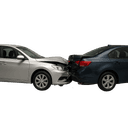
Collision Coverage
Pays for damage to your vehicle in an accident

Comprehensive Coverage
Covers theft, vandalism, weather, and animal damage

Medical Payments
Covers medical costs for your drivers and passengers

Uninsured Motorist
Protection when the other driver lacks insurance
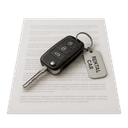
Hired & Non-Owned Auto
Covers rented or employee-owned vehicles used for work
Commercial Auto Insurance Cost in Bridgeport
Average Cost in Connecticut
$150 - $440
per month
Businesses in Connecticut typically see commercial auto insurance premiums of $150 - $440 per month, which tends to run 7% above the national range of $140 - $410 per month.
- Fleet size and vehicle types
- Driver records and experience
- Coverage limits and deductibles
- Business industry and use
- Annual mileage and operating radius
- Claims history
Rates based on small business averages. Your actual premium may vary.
Prices shown are general estimates, not guaranteed rates or quotes. Your actual premium will depend on the insurer, coverage selected, business details, location, claims history, and other underwriting factors. Learn about our pricing methodology.
The Connecticut pricing picture is shaped by a premium environment that is already above the national average. What you pay depends on factors like vehicle type, fleet size, driver records, coverage limits, deductibles, business use, annual mileage, operating radius, and claims history. Connecticut has roughly 98,200 businesses, nearly all of them small operations, which means carriers are already pricing for the kind of dense traffic and urban driving patterns you deal with every day.
The state saw 89,000 total crashes in 2023. Following too closely, reckless driving, weather conditions, drowsy driving, and failure to yield were among the top causes. If your drivers run those routes frequently, expect underwriters to price for that risk. The market also includes many active insurance companies, so quote differences can come from underwriting style as much as from coverage design. Premiums may also move based on whether you insure one company car or a fleet, whether your operation involves heavy trucks or lighter vehicles, and whether you add endorsements for hired or non-owned vehicles. Rates are based on small business averages, and your actual premium may vary.
Industries & Insurance Needs in Bridgeport
The county business mix around Bridgeport changes what a strong commercial auto quote should ask about. Greater Bridgeport Planning Region has 6,969 business establishments, so local roads carry a steady mix of service vans, delivery vehicles, sales cars, and employee drivers moving between appointments. The leading county sectors are health care and social assistance at 15.7%, retail trade at 11.9%, and professional, scientific, and technical services at 10.6%, so many fleets here are not heavy trucking fleets at all. They are mixed-use business vehicles with frequent stops, employee drivers, and occasional use of personal cars for work errands. That matters because a quote should separate owned vehicles from hired and non-owned auto exposure, confirm who is allowed to drive, and account for how often staff park, load, and return to the road in the same day. If your operation looks light-duty on paper, make sure the application still reflects real trip frequency and driver use.
What Makes Bridgeport Different
Many Bridgeport businesses are not running long-haul routes or specialized transport. They are running ordinary-looking vehicles for repeated business tasks like patient visits, store transfers, client meetings, supply pickups, and short delivery runs. That pattern can create claims from backing, parking lot contact, loading activity, and employee use that a simple vehicle count does not capture. You should look at who drives each vehicle, whether employees ever use their own cars for company errands, whether tools or inventory stay in vehicles overnight, and whether any contract requires higher liability limits. If your current policy was built around one use case and your business now mixes service, delivery, and sales travel, the gap usually shows up in endorsements and driver classifications, not in the declarations page headline.
Our Recommendation for Bridgeport
Start your review with a vehicle and driver schedule that matches how work is actually assigned this month, not how it looked at the last renewal. Your underwriter needs to know when one pickup hauls tools in the morning and makes supply runs in the afternoon. Staff using personal cars for bank deposits, site visits, or client meetings should trigger a hired and non-owned auto review rather than an assumption that the business is covered. Leased vehicles come with lessor insurance requirements you should confirm before choosing limits. Older units still on the road deserve a comparison between the savings from a higher physical damage deductible and the downtime you could fund after a loss. Ask how claims involving borrowed vehicles, newly hired drivers, and temporary substitute autos would be handled under your policy terms. A strong quote conversation digs into routes, parking arrangements, garaging, driver lists, and certificates your clients or landlords may request.
Get Commercial Auto Insurance in Bridgeport
Enter your ZIP code to compare commercial auto insurance rates from carriers in Bridgeport, CT.
Business insurance starting at $25/mo
FAQ
Frequently Asked Questions
A two-truck operation mixing deliveries, service calls, and employee driving can still run into coverage gaps that a simple vehicle count will not reveal.
Ask whether your policy includes hired and non-owned auto liability. Personal auto insurance may not address the business's liability if an employee causes a crash while handling company work.
Greater Bridgeport Planning Region has 6,969 business establishments. That volume gives underwriters enough data to distinguish between a florist making local deliveries and a contractor hauling equipment, which means accurate driver lists, vehicle use descriptions, and stop frequency matter more than a generic light-duty classification.
Bridgeport area businesses often do. County sectors led by health care and social assistance at 15.7%, retail trade at 11.9%, and professional services at 10.6% put a home health aide's sedan and a retailer's box truck on the same roads with very different risk profiles. Your policy structure should follow your actual operations.
Bridgeport business owners should choose deductibles they can absorb without disrupting payroll or daily operations. With local median household income at $56,584, a deductible that wipes out a week of revenue can force a choice between fixing a vehicle and making payroll. That makes preserving cash flow after a vehicle loss just as important as trimming the upfront premium.
It may help cover liability for bodily injury and property damage, collision damage to your vehicle, comprehensive losses such as theft or weather damage, medical payments, and uninsured or underinsured motorist protection, with hired and non-owned auto coverage available by endorsement.
Connecticut requires commercial vehicles to carry minimum liability of $25,000 per person for bodily injury, $50,000 per accident for bodily injury, and $25,000 for property damage. All commercial vehicles must be registered with the DMV, and uninsured and underinsured motorist coverage may be required.
Pricing varies based on fleet size, drivers, vehicle type, mileage, coverage limits, and claims history. Your actual premium may differ from published averages.
Sources
- 1.U.S. Census Bureau, ACS 5-Year Estimates, table B19013(Bridgeport median household income is $56,584.)
- 2.U.S. Census Bureau, County Business Patterns, Greater Bridgeport Planning Region(Greater Bridgeport Planning Region has 6,969 business establishments.; The leading county sectors are health care and social assistance 15.7%, retail trade 11.9%, and professional, scientific, and technical services 10.6%.)
Updated July 16, 2026