Updated July 5, 2026

Dealer Open Lot Insurance in Bridgeport
Are you asking whether dealer open lot insurance in Bridgeport needs a different review than a generic Connecticut submission? Yes, because the local buying market and the way inventory turns here can change how you schedule units, secure keys, and document where vehicles sit overnight. Bridgeport buyers often shop on payment first, so your mix of older used units, higher-mileage trades, and price-sensitive inventory deserves a closer look than a broad statewide application usually gives it. The city’s median household income is $56,584, so many dealers here compete by stocking vehicles that move on affordability rather than long hold times or luxury margins. That affects how long certain units stay exposed on the lot, how often you reposition them, and whether overflow parking becomes part of normal operations. If your inventory includes slower-turning trades, vehicles awaiting recon, or units parked at a secondary address, ask for the quote to match those real storage and handling patterns before you bind.
Dealer Open Lot Insurance Risk Factors in Bridgeport
Bridgeport's top risk factors include Flooding, Hurricane damage, Coastal storm surge, and Wind damage.
Connecticut has a moderate climate risk rating. Top hazards: Hurricane (High), Nor'easter (High), Flooding (Moderate), Winter Storm (Moderate). The state's expected annual loss from natural hazards is $620M, which influences dealer open lot insurance premiums and may affect coverage availability in high-risk areas.
What Dealer Open Lot Insurance Covers
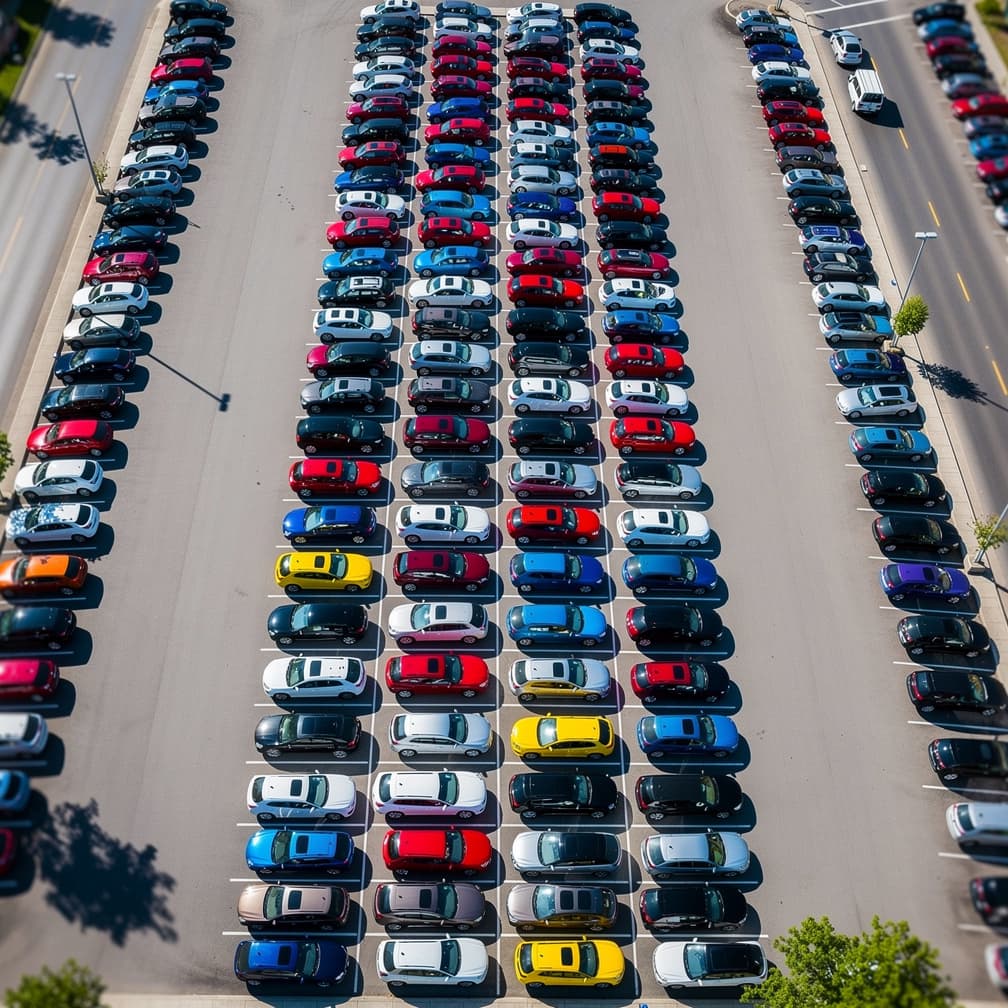
In Connecticut, the useful coverage conversation usually starts with where your inventory sits and how often it moves between addresses. A dealer with a single fenced lot has a different exposure than one that rotates units between a frontage display area, a back storage section, and an overflow location during busy buying periods. That difference matters because claim handling often turns on whether the vehicle was at a scheduled location, in ordinary dealership handling, or temporarily somewhere the carrier expected to see it.
For many dealers, the state-specific review point is weather concentration. Connecticut can bring coastal storm conditions, heavy rain, wind, and winter weather in ways that affect outdoor inventory differently from one county to the next. That makes it worth reviewing how the policy treats flood-related damage, falling objects, lot drainage issues, snow load around storage structures, and vehicle movement before a forecast event. If you keep higher-value units in one section of the property, ask whether your layout creates a concentration issue that should be addressed before renewal.
Security details also matter more than many buyers expect. Carriers often want a clear picture of fencing, lighting, camera placement, key control, after-hours access, and whether transporters or service vendors ever leave units in unsecured areas. In Connecticut, where lots can be compact and close to neighboring businesses or residential streets, the way you stage vehicles overnight can affect both underwriting and claims documentation. Review any gap between your written procedures and what your staff actually does at closing time.
You should also ask how the policy responds when inventory is being moved for reconditioning, emissions-related work, detailing, auction activity, or temporary storage. Those movements seem routine, but custody shifts and location changes are exactly where coverage assumptions break down.
Coverage Included

Weather Damage
Covers hail, wind, flood, and storm damage to lot inventory.
Theft Protection
Covers vehicles stolen from your lot.

Fire Damage
Covers fire and explosion damage to inventory vehicles.

Vandalism
Covers intentional damage to vehicles on your lot.
Test Drive Coverage
Covers vehicles during customer and employee test drives.

Transit Coverage
Covers vehicles being moved between lot locations.
Industries & Insurance Needs in Bridgeport
County business density is the local context worth watching. The county containing Bridgeport has 6,969 business establishments, so a dealership here often operates in a tighter commercial environment where neighboring tenants, customer traffic, delivery activity, and shared access points can all affect how vehicles are parked and monitored. That matters for dealer open lot insurance because underwriters want a clear picture of where inventory sits, who has access after hours, and whether units are ever staged away from the main frontage. The county’s leading sectors are health care and social assistance at 15.7%, retail trade at 11.9%, and professional, scientific, and technical services at 10.6%, so your customer flow may be tied to commuters, service workers, and practical replacement-vehicle demand rather than purely discretionary shopping. Review lighting, fencing, key control, and any off-hours movement between locations with that operating pattern in mind.
What Makes Bridgeport Different
Affordability-driven inventory is the main thing that changes the buying calculus here. In a market where many shoppers are stretching for a workable monthly payment, dealers often carry more older used vehicles, more trade-ins awaiting front-line decisions, and more units that need time in recon before they are sale-ready. That can create a lot exposure that is less about headline inventory value and more about how many vehicles are physically present, where they are stored, and how often they are moved around the property. For this city, the practical question is not just how many cars you own today. It is whether your quote reflects the real mix of front-line units, back-line units, and temporary overflow storage that exists during the week. If your operation regularly holds vehicles pending title work, service, detailing, or wholesale decisions, make sure those handling and storage habits are described clearly before coverage is reviewed.
Our Recommendation for Bridgeport
Start with a current inventory map, not just a unit count. Mark which vehicles are front-line, which are waiting on recon or title work, and which ever sit at a secondary address, because that is often where a local submission gets too generic. Next, review how keys are controlled after hours and who can move vehicles between spaces or locations. If your business relies on affordable used inventory, ask whether the quote assumptions match longer hold times on selected units instead of assuming every vehicle turns quickly. It is also worth checking whether your application describes any shared parking, neighboring commercial traffic, or customer access patterns that affect where cars are staged. If you want a cleaner comparison, request quote options built around your actual lot layout and storage routine, then compare terms before renewal or expansion.
Get Dealer Open Lot Insurance in Bridgeport
Enter your ZIP code to compare dealer open lot insurance rates from carriers in Bridgeport, CT.
Business insurance starting at $25/mo
FAQ
Frequently Asked Questions
Bridgeport dealers often sell into a payment-sensitive market, and the city’s median household income is $56,584. That can mean more older used units, more trades, and longer on-lot time for some vehicles, so your storage and handling details deserve a closer review.
Bridgeport sits in a county with 6,969 business establishments, so many dealers operate near other active commercial properties. That makes it smart to describe shared access, neighboring traffic, lighting, fencing, and any after-hours vehicle movement clearly on your application.
Greater Bridgeport county is led by health care and social assistance at 15.7%, retail trade at 11.9%, and professional, scientific, and technical services at 10.6%. That practical workforce mix can support replacement-vehicle demand, so ask for terms that fit everyday used inventory operations.
Bridgeport dealers should mention them if those units stay on the lot or at another storage address. Vehicles that are not sale-ready still create exposure while parked, moved, or staged, so your quote should reflect where they actually sit and for how long.
Bridgeport dealers in Connecticut can look to the Connecticut Insurance Department for insurance oversight questions. For buying decisions, the more immediate step is to compare quote assumptions against your real lot layout, inventory mix, and any overflow storage routine.
Yes. Lenders, floor plan providers, and licensing boards often expect proof of physical damage coverage before you take delivery of your first units. Compare forms and endorsements carefully so the policy matches how your lot will actually operate.
Connecticut coastal locations can change how you think about vehicle spacing, drainage, storm preparation, and temporary relocation. Instead of assuming your normal lot setup is enough, ask how the policy treats inventory moved ahead of severe weather and whether every destination address is scheduled.
A Connecticut dealer's policy may help cover overflow storage, but the key issue is disclosure. If vehicles are kept at another address, even temporarily, list that location during quoting and confirm the policy language matches how inventory is actually stored and moved.
Sources
- 1.U.S. Census Bureau, ACS 5-Year Estimates, table B19013(The city’s median household income is $56,584, so many dealers here compete by stocking vehicles that move on affordability rather than long hold times or luxury margins.)
- 2.U.S. Census Bureau, County Business Patterns, Greater Bridgeport Planning Region(The county containing Bridgeport has 6,969 business establishments, so a dealership here often operates in a tighter commercial environment where neighboring tenants, customer traffic, delivery activity, and shared access points can all affect how vehicles are parked and monitored.; The county’s leading sectors are health care and social assistance at 15.7%, retail trade at 11.9%, and professional, scientific, and technical services at 10.6%, so your customer flow may be tied to commuters, service workers, and practical replacement-vehicle demand rather than purely discretionary shopping.)
- 3.Connecticut Insurance Department(Bridgeport dealers in Connecticut can look to the Connecticut Insurance Department for insurance oversight questions.)
Updated July 5, 2026