







































Updated July 10, 2026

Glazier Insurance in Connecticut
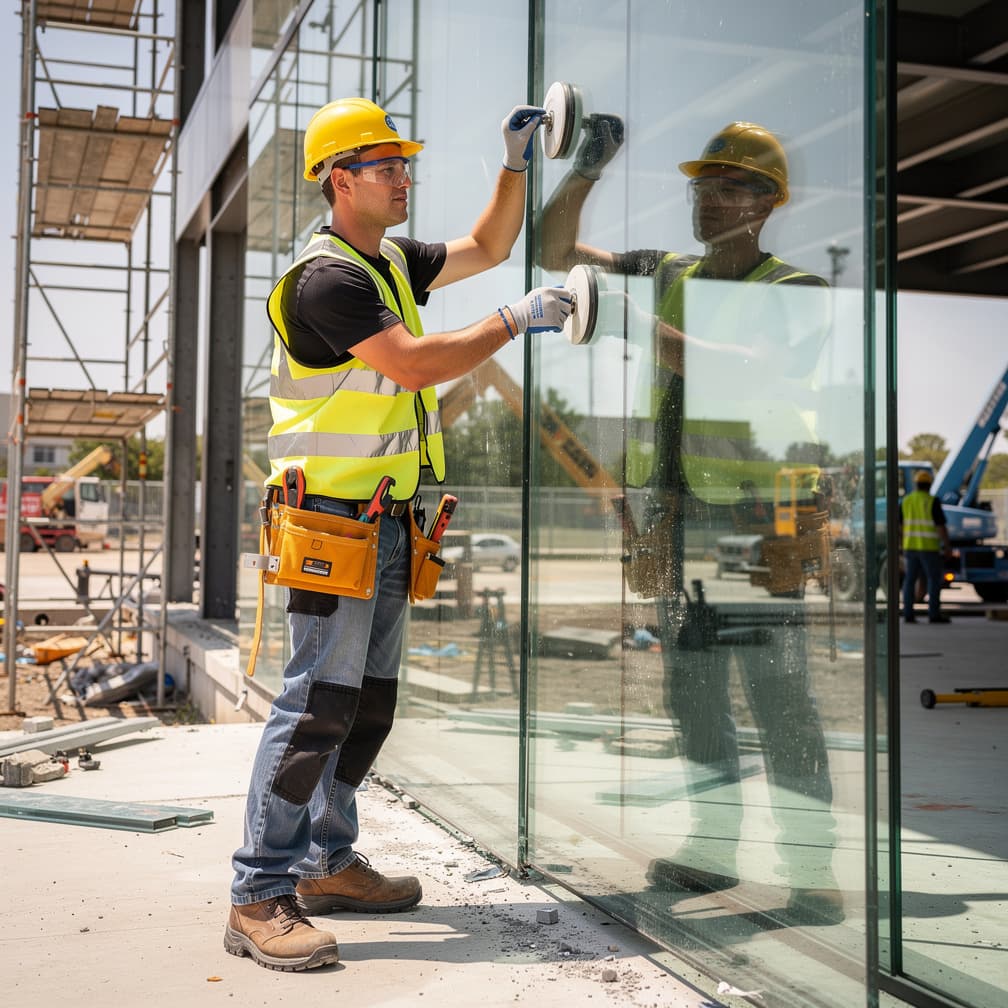
For a glazier insurance quote in Connecticut, the main issue is not just protecting glass work itself; it is matching coverage to how projects actually run here. Crews may move between Hartford, New Haven, Stamford, and smaller commercial corridors, where tight loading areas, weather shifts, and busy walkways can raise the chance of slip and fall or customer injury claims. Connecticut also brings hurricane, nor'easter, and winter storm exposure, so a short delay can turn into building damage, theft, or business interruption concerns if materials or openings are not secured. If your business handles storefront replacements, interior partitions, or larger commercial installs, you may also want to think through installation liability coverage for glaziers, legal defense, and property damage tied to third-party claims. A quote should reflect your crew size, vehicle use, job-site setup, and whether you need general liability, commercial property, workers' compensation, or commercial auto protection for local glazing contractors.
Climate Risk Profile
Natural Disaster Risk in Connecticut
Understanding climate-related risks helps determine appropriate insurance coverage levels.
Hurricane
High
Nor'easter
High
Flooding
Moderate
Winter Storm
Moderate
Expected Annual Loss from Natural Hazards
$620M
estimated economic loss per year across Connecticut
Source: FEMA National Risk Index
Risk Factors for Glazier Businesses in Connecticut
- Connecticut hurricane exposure can disrupt job-site schedules and increase property damage, storm damage, and business interruption concerns for glazing contractors.
- Nor'easter conditions in Connecticut can create slip and fall, customer injury, and third-party claims risk around active glass installation sites.
- Connecticut winter storms can affect building damage exposure, especially when glass, tools, or temporary openings are left unsecured during a project.
- Glass transport and installation in Connecticut can lead to glass breakage coverage for contractors concerns when broken panes cause third-party injury or property damage.
- Vandalism and theft risks in Connecticut can affect stored glass, tools, and equipment at shops, warehouses, and job sites.
How Connecticut compares with the national baseline
Uninsured drivers
9.4% vs 11.6% baseline
About 9.4% of Connecticut drivers are estimated to be uninsured, below the 11.6% average across states.
Fatal crashes per 100 million miles
0.92 vs 1.33 baseline
Connecticut sees about 0.92 fatal crashes per 100 million miles driven, below the national average of 1.33.
Property crime per 100,000 residents
1,680 vs 2,200 baseline
Property crime in Connecticut runs below the national average, at 1,680 vs 2,200 incidents per 100,000 residents.
Blue bar: Connecticut. Gray line: national baseline.
What Connecticut Requires for Glazier Insurance
Non-compliance can result in fines, loss of contracts, and personal liability:
- Workers' compensation is required in Connecticut for businesses with 1 or more employees, with exemptions for sole proprietors and partners.
- Connecticut commercial auto minimum liability is $25,000/$50,000/$25,000 for vehicles used in the business.
- Connecticut businesses may need proof of general liability coverage for most commercial leases, which can affect lease approval and renewal.
- Commercial insurance is regulated by the Connecticut Insurance Department, so policy terms and filings should be reviewed against state rules before binding coverage.
- If your glazing crew uses vehicles, ask whether hired auto and non-owned auto liability are included or need to be added to the policy.
| Requirement | What Connecticut law says |
|---|---|
| Auto liability minimums | $25,000/$50,000/$25,000 (bodily injury per person / per accident / property damage). These floors apply to personal and business vehicles alike; lenders and contracts often require more. |
| Workers compensation | Generally required once you have your first employee. Some roles are exempt, so confirm current thresholds before you hire. |
| Where to verify | Connecticut Insurance Department publishes current requirements, consumer guides, and license lookups. |
Common Claims for Glazier Businesses in Connecticut
A crew in Hartford is replacing storefront glass when a pane slips, causing property damage to the entrance area and a third-party injury claim.
A Nor'easter delays a New Haven project and wind-driven debris damages stored materials at the site, creating a storm damage and business interruption issue.
A Stamford contractor's van carries glass and tools to a job site; a sudden stop damages cargo and raises a commercial auto claim question.
Get Your Glazier Insurance Quote in Connecticut
Compare rates from multiple carriers. Free quotes, no obligation.
Preparing for Your Glazier Insurance Quote in Connecticut
Your Connecticut business address or service area, plus where you store glass, tools, and vehicles.
A list of services you perform, such as storefront replacement, interior glass installation, or commercial glazing.
Crew count, payroll, and whether you have 1 or more employees for workers' compensation review.
Vehicle details, job-site travel patterns, and whether you need hired auto or non-owned auto protection.
Coverage Considerations in Connecticut
- General liability insurance to help address third-party claims, property damage, bodily injury, and legal defense tied to installation work.
- Commercial property insurance for tools, stored glass, and shop space exposed to theft, vandalism, storm damage, or equipment breakdown.
- Workers' compensation insurance for Connecticut crews, since the state requires it for businesses with 1 or more employees and workplace injury exposure is real on glass jobs.
- Commercial auto insurance for trucks and vans used to move materials, with attention to Connecticut minimums and any hired auto or non-owned auto exposure.
What Happens Without Proper Coverage?
A single dropped unit can generate three claims at once: the glass itself, the finished floor it lands on, and the helper whose hand was underneath it. That concentration of loss in a single moment is what separates glazing from most trades, and it is why coverage decisions here deserve more than a generic contractor template.
The contract side is just as real. General contractors, property managers, landlords, and commercial customers routinely want proof of coverage before a glazing subcontractor starts. If your certificate does not match the agreement, you lose days negotiating revisions or lose the job outright, so it pays to review policies before bid season and before renewing a major account rather than after an award letter arrives.
Complexity is the third driver. A solo installer doing residential replacements has a compact risk picture. Add a second crew, a fabrication shop, stocked inventory ahead of a storefront project, and a mix of service calls and multi-day installs, and the exposure changes week to week. Hiring, new vehicles, new storage, and stricter contracts are all natural checkpoints. Treat each one as a reason to look at limits again, and line up payroll records, an equipment list, vehicle details, and sample contracts so the review is grounded in the current shape of the business, not last year's.
Recommended Coverage for Glazier Businesses
Based on the risks and requirements above, glazier businesses need these coverage types in Connecticut:

General Liability
Essential coverage for every business, protect against third-party bodily injury, property damage, and advertising claims.

Commercial Property
Safeguard your business property, equipment, and inventory against damage and loss.

Workers Compensation
Help cover your employees' medical expenses and lost wages for work-related injuries and illnesses.

Commercial Auto
Protect your business vehicles and drivers with comprehensive commercial auto coverage.
Glazier Insurance by City in Connecticut
Insurance needs and pricing for glazier businesses can vary across Connecticut. Find coverage information for your city:
Insurance Tips for Glazier Owners
Review your general liability insurance against the exact jobs you perform, especially storefront work, tenant improvements, service calls, and any contracts that shift liability to your business.
Set commercial property limits around the tools, racks, sealants, hardware, and stored materials you rely on to keep jobs moving after a covered loss.
Break out payroll by role before quoting workers compensation insurance, because installers, helpers, drivers, and shop staff can create different exposure patterns.
Check that your commercial auto insurance reflects every vehicle used for deliveries, site visits, and crew transport, along with the people who regularly drive them.
Bring sample contracts to the quote review so additional insured requests, waiver language, and proof of coverage requirements can be checked before work starts.
Revisit your insurance when you add a shop, hire another crew, expand into larger commercial glazing jobs, or begin storing more material between projects.
FAQ
Frequently Asked Questions About Glazier Insurance in Connecticut
Coverage usually starts with general liability for third-party claims involving property damage, bodily injury, legal defense, and installation-related incidents. Many Connecticut glazing contractors also look at commercial property, workers' compensation, and commercial auto based on how they operate.
The average premium in Connecticut is listed at $208 to $830 per month, but the actual glazier insurance cost in Connecticut varies by crew size, services performed, vehicle use, location, claims history, and the coverage limits you choose.
At a minimum, workers' compensation is required for businesses with 1 or more employees, commercial auto must meet the state minimum liability limits if vehicles are used, and many commercial leases may require proof of general liability coverage.
Some policies may address glass breakage coverage for contractors, but terms vary. It is important to confirm whether broken panes, dropped materials, or installation-related damage are included before you bind coverage.
Start with your business location, services, employee count, vehicles, and any job-site or storage details. That helps an insurer build a glazing contractor insurance quote that fits your commercial glazier insurance needs in Connecticut.
The standard stack is general liability, commercial property, workers compensation, and commercial auto, reviewed together rather than one policy at a time. Glass work ties job-site liability, stored tools and materials, lifting exposure, and loaded vehicles into the same week, so the policies need to fit together.
It can respond to third-party injury or property damage claims tied to installation work, within the policy terms. Have it reviewed against your actual operations and contracts, especially if you work as a subcontractor on active construction sites.
Because the trade concentrates injury risk: heavy panes, sharp edges, ladders, and tight openings. Most states require the coverage once you have employees, and it is the policy that responds when an installer is hurt during covered job duties.
Updated March 31, 2026