


































Updated July 10, 2026

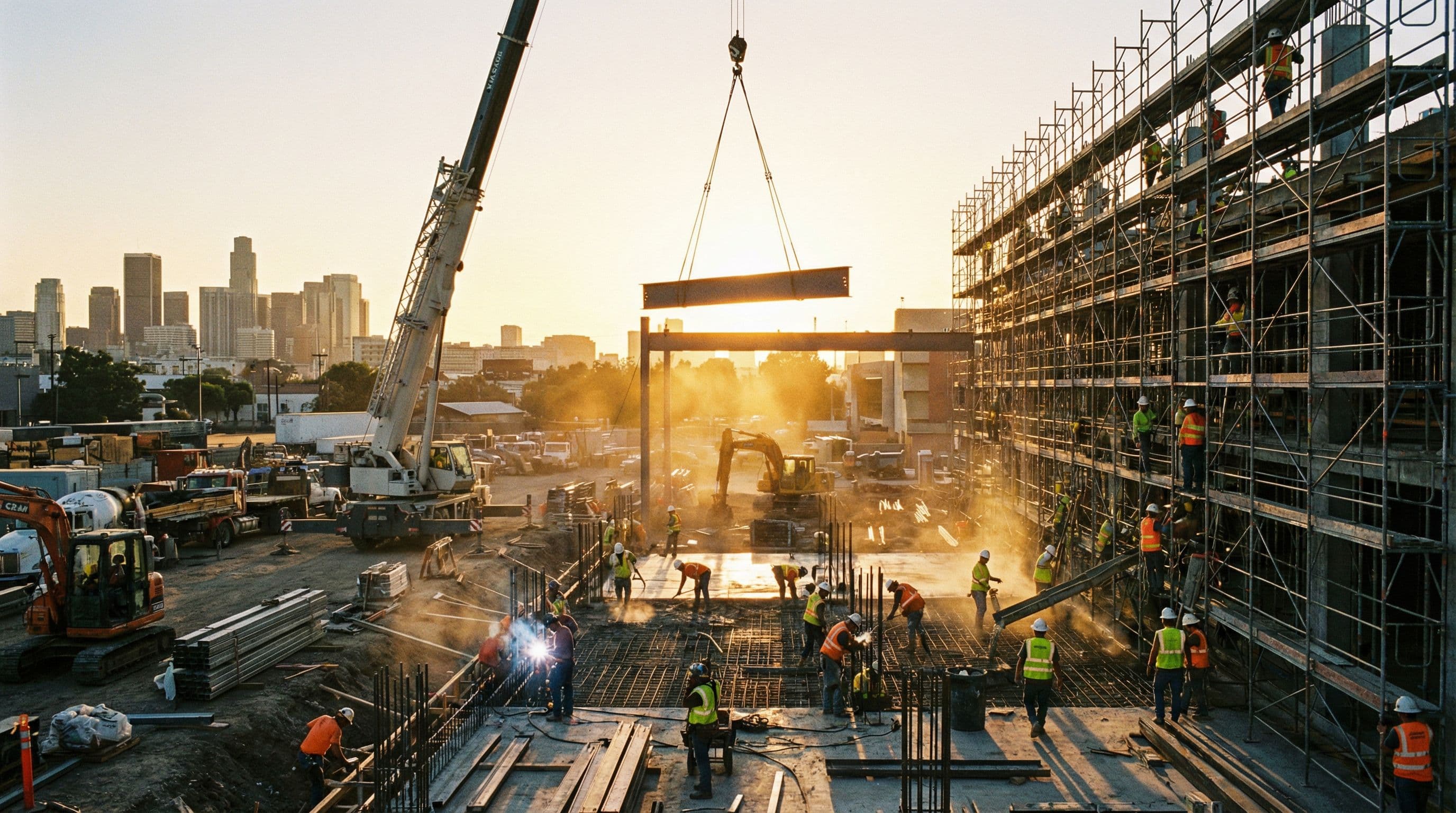
In Connecticut, the risk on a job site is the unfinished work itself, a half-built structure with real value and no defenses. One rule in Connecticut is set by statute, since workers compensation coverage is required from the first employee [1]. On top of that, hurricane risk across Connecticut shapes the property side of a quote, from deductibles to how carriers treat roofs and stock. The cost drivers below map what actually moves construction support quotes in Connecticut.
Recommended Coverage for Builders Risk / Construction Support in Connecticut
Builders Risk / Construction Support businesses face unique risks that require specific coverage types. Here are the policies most builders risk / construction support operations need:

General Liability
Essential coverage for every business, protect against third-party bodily injury, property damage, and advertising claims.

Commercial Property
Safeguard your business property, equipment, and inventory against damage and loss.

Inland Marine
Protect tools, equipment, and goods in transit or stored at locations away from your primary premises.

Workers Compensation
Help cover your employees' medical expenses and lost wages for work-related injuries and illnesses.

Commercial Umbrella
Extend your liability limits beyond your primary policies for extra protection against catastrophic claims.
Builders Risk / Construction Support Insurance Overview in Connecticut
A coastal wind shift can turn a clean Connecticut jobsite into a claims file before the framing is even closed in. If you own or contract a commercial build, residential renovation, or ground-up project, the right policy is about fit, not just price. Jobs from Bridgeport and Stamford to New Haven tend to move through tight urban lots where trade coordination, debris management, and rapidly shifting shoreline weather all compound each other.
When you are comparing options in Connecticut, the specifics drive everything. You need to account for completed value, building materials on site, materials in transit, renovation scope, and whether the structure is occupied during work. A clear picture of those details helps you match coverage to the jobsite, the contract, and the completion timeline.
Why Builders Risk / Construction Support Businesses Need Insurance in Connecticut
Your project faces more risks than just damage to the structure itself. Fire, storms, vandalism, and theft of building materials can all threaten a site while work is still underway. In Connecticut, that matters because the state's climate profile includes high hurricane and nor'easter exposure, plus moderate flooding and winter storm risk. Those conditions can affect open framing, stored materials, temporary protection, and the timing of inspections or rework.
Construction in active commercial corridors and dense local markets adds another layer of exposure. That can increase exposure to third-party claims, slip and fall incidents, customer injury, and legal defense costs if site access, debris, or work zones create problems for visitors or neighboring properties. Your policy structure is also shaped by state oversight through the Connecticut Insurance Department, so limits and endorsements should be reviewed carefully before work starts.
For many projects, the most useful approach is to align policy terms with the full completed value of the job and then coordinate related coverages where needed. That may include general liability, inland marine for tools and mobile property, and workers compensation where required. Coordinating these coverages helps reduce gaps while the project is in progress, especially when materials, labor, and schedule pressure all move at once.
Connecticut requires workers' comp for businesses with employees (exemptions may apply: Sole proprietors; Partners). Non-compliance can result in fines and personal liability for owners. Commercial auto minimums are $25,000/$50,000/$25,000.
Key Risks for Builders Risk / Construction Support Businesses
Each of these risks can lead to claims that cost thousands, or more. Make sure your policy addresses every one:
- Damage to structures under construction
- Theft of building materials
- Weather-related project delays
- On-site worker injuries
- Subcontractor default
Cost Factors for Builders Risk / Construction Support Businesses in Connecticut
Your policy cost varies by project size, construction type, completed value, timeline, site conditions, and the materials used. A wood-frame renovation in an occupied building will not be viewed the same way as a ground-up commercial build with steel, concrete, and multiple subcontractors. Insurers also look at theft exposure, fire protection, weather risk, and whether materials are stored on site, off site, or in transit.
Connecticut's premium index sits at 122, which means you can expect to pay noticeably more than you would in a lower-cost state. The state's market also includes roughly 520 insurers, so you have real room to compare quotes across different carrier appetites. Strong construction activity tied to major employment centers in Bridgeport, Stamford, and New Haven keeps underwriters busy evaluating project specifics.
Because project risk changes from one job to the next, the most accurate quote request includes the completed project value, jobsite address, renovation scope, duration, security measures, and whether the site is occupied. For a concrete anchor, general liability for small businesses in Connecticut runs about $170 to $675 per month, meaning a typical operation should budget toward the higher end of that range compared to many other states. Most construction operations add other coverages on top, so the total moves with employees, revenue, equipment values, and prior claims.
Builders Risk / Construction Support businesses typically carry several separately priced policies. The ranges below are typical figures for Connecticut for each line, except workers compensation, which is rated per $100 of payroll; a quote prices each one against your own operations.
| Coverage | Typical range | What moves your price |
|---|---|---|
| General Liability Insurance | $170 - $675 per month | Industry and risk classification, annual revenue, number of employees |
| Commercial Property Insurance | $160 - $725 per month | Building value and construction type, roof age and condition, fire protection class |
| Inland Marine Insurance | $65 - $250 per month | Total insured value of the scheduled property, type and age of the equipment, where it is stored and how far it travels |
| Workers Compensation Insurance | $0.75 - $2.74 per $100 of payroll | Employee classification codes, total annual payroll, experience modification rate |
| Commercial Umbrella Insurance | $95 - $370 per month | Umbrella limit requested, limits carried on the underlying policies, loss history on those underlying policies |
Prices shown are general estimates, not guaranteed rates or quotes. Your actual premium will depend on the insurer, coverage selected, business details, location, claims history, and other underwriting factors. Learn about our pricing methodology.
State Requirements
Insurance Regulations in Connecticut
Key regulatory requirements for businesses operating in CT.
Regulatory Authority
Workers' Compensation InsuranceRequired
Required for employers with 1+ employee.
Exempt categories
- Sole proprietors
- Partners
Commercial Auto Minimum Liability
$25,000/$50,000/$25,000 (bodily injury per person / per accident / property damage)
Source: Connecticut Department of Insurance, U.S. Department of Labor
What Drives Builders Risk / Construction Support Insurance Costs in Connecticut
The unfinished structure
Fire, storm, or vandalism can erase months of completed work before handover. Builders risk insurance is priced against project value, duration, and construction type.
Materials and equipment theft
Material theft claims track site access and storage practices. Inland marine insurance typically covers movable property that a standard property policy leaves out.
Hurricane and wind
Storm claims drive commercial property pricing in this market, and wind or hail damage may carry a separate deductible. FEMA's record for Connecticut stands at 43 federal disaster declarations [2].
Payroll and workers compensation
Construction support wages in Connecticut average $65,300 a year [3], and workers compensation pricing keys directly to payroll. Loss history sets a modifier on top of that base, so a clean claims record works in your favor at renewal.
Climate Risk Profile
Natural Disaster Risk in Connecticut
Understanding climate-related risks helps determine appropriate insurance coverage levels.
Hurricane
High
Nor'easter
High
Flooding
Moderate
Winter Storm
Moderate
Expected Annual Loss from Natural Hazards
$620M
estimated economic loss per year across Connecticut
Source: FEMA National Risk Index
Insurance Tips for Builders Risk / Construction Support Business Owners in Connecticut
Make sure the policy limit matches the full completed value, including labor, materials, and any soft costs that are part of the contract.
Find out whether your renovation coverage changes if the building is occupied during construction.
Ask how the policy handles storm damage and winter weather exposure for open framing, roofing, and exterior work.
Verify whether materials in transit coverage applies to deliveries moving between suppliers, staging yards, and the job site.
Check if theft of building materials from fenced or unsecured sites is addressed, especially on urban projects in Bridgeport, Stamford, or New Haven.
Review whether fire risk protection includes framing, electrical work, and other installed improvements already on the site.
Coordinate your builders risk policy with inland marine insurance for tools, mobile property, and contractors equipment.
If the project has multiple phases, ask whether delay coverage is available for weather-related interruptions or rework timing.
Get Builders Risk / Construction Support Insurance in Connecticut
Enter your ZIP code to compare builders risk / construction support insurance rates from top carriers.
Business insurance starting at $25/mo
Builders Risk / Construction Support Business Types in Connecticut
Find insurance tailored to your specific builders risk / construction support business. Select your business type for coverage recommendations, pricing, and quotes:

Renovation Contractor Insurance
Get a renovation contractor insurance quote built for remodeling jobs, hidden hazards, and project liability. Coverage can be tailored to your crew, jobsites, and project type.

Scaffolding Company Insurance
Get scaffolding company insurance built for collapse liability, fall injury claims, and equipment damage. Request a quote with the details your operation needs.

Crane Operator Insurance
Get coverage built for crane lifts, rigging work, and heavy lift operations. Request a crane operator insurance quote to review limits, certificates, and jobsite requirements.

Construction Equipment Rental Insurance
Get coverage built for rental yards, jobsite deliveries, and contractor disputes. A construction equipment rental insurance quote can help you compare limits, deductibles, and protection for rented machines.
Builders Risk / Construction Support Insurance by City in Connecticut
Insurance rates and requirements can vary by city. Find builders risk / construction support insurance information for your area in Connecticut:
FAQ
Builders Risk / Construction Support Insurance FAQ in Connecticut
It is generally designed to address damage to structures under construction, building materials, and work in progress. Coverage details vary by policy and project type, so the completed value, site conditions, and occupancy status should be reviewed before binding.
Carriers usually need the project address, type of work, completed value, construction timeline, renovation scope, materials used, storage locations, and whether the site is occupied. Details about security, fire protection, and delivery schedules also help.
New construction often focuses on the full build from the ground up, while renovation coverage may need to account for existing structures, phased work, and occupied spaces. The risk profile can change based on whether work is interior, exterior, or both.
Pricing usually depends on completed value, project length, building type, location, theft exposure, weather risk, and the materials involved. Urban jobs, shoreline exposure, and projects with longer schedules can present different underwriting considerations.
This coverage is commonly structured around work in progress, but the exact treatment of materials, installed improvements, and labor can vary. The quote request should clearly show what is on site, what is stored elsewhere, and what is still being installed.
These coverages are often reviewed together so the project has broader support. Workers compensation is required in Connecticut for most employers with at least one employee, subject to listed exemptions, and the other policies may address tools and third-party claims.
Some policies may address weather-related project delays or theft exposure, but the available terms depend on the carrier and endorsement structure. Because Connecticut faces hurricane, nor'easter, flooding, and winter storm risk, those details should be discussed during the quote process.
Five policies anchor the program: general liability, commercial property, inland marine, workers compensation, and commercial umbrella coverage. Project type, contract terms, and how materials move between locations decide the weight each one carries.
Sources
- 1.Connecticut Insurance Department(Connecticut requires workers compensation coverage from the first employee.)
- 2.FEMA Disaster Declarations(Connecticut has 43 federal disaster declarations on record.)
- 3.BLS Quarterly Census of Employment and Wages (2024)(Construction support workers in Connecticut earn an average of $65,300 a year.)