

































Updated July 10, 2026

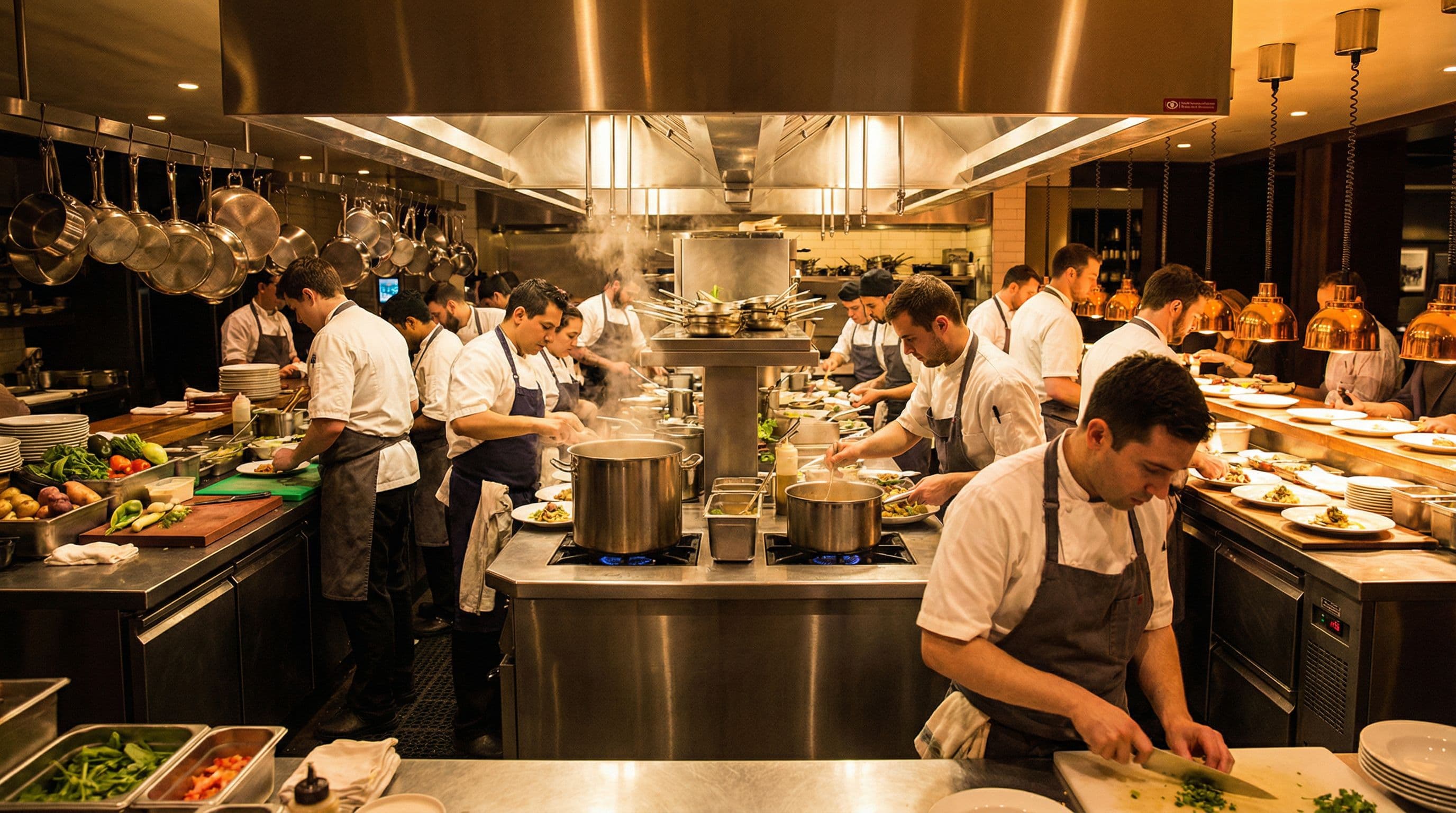
A restaurant in Connecticut runs open flames, wet floors, and the public in one room, and the claims follow that mix. Connecticut adds a legal floor here, because workers compensation is required from the first employee [1]. On top of that, hurricane risk across Connecticut shapes the property side of a quote, from deductibles to how carriers treat roofs and stock. Below, the factors that move hospitality pricing in Connecticut are broken out one by one.
Recommended Coverage for Hospitality & Restaurant in Connecticut
Hospitality & Restaurant businesses face unique risks that require specific coverage types. Here are the policies most hospitality & restaurant operations need:

General Liability
Essential coverage for every business, protect against third-party bodily injury, property damage, and advertising claims.

Liquor Liability
Coverage for businesses that sell, serve, or distribute alcohol against alcohol-related liability claims.

Commercial Property
Safeguard your business property, equipment, and inventory against damage and loss.

Workers Compensation
Help cover your employees' medical expenses and lost wages for work-related injuries and illnesses.

Business Owners Policy
Bundle property and liability coverage into one convenient, cost-effective policy for small businesses.

Commercial Umbrella
Extend your liability limits beyond your primary policies for extra protection against catastrophic claims.
Hospitality & Restaurant Insurance Overview in Connecticut
Running a hospitality business in Connecticut means juggling guest safety, weather exposure, and tight service timelines. From waterfront properties to downtown dining districts, venues across the state face real risks. When guests fill your dining rooms, common areas, and outdoor seating, a single slip-and-fall or property claim can surface in minutes. Your needs can shift based on how you operate day to day. A useful quote captures those specifics rather than relying on a generic small business form.
Why Hospitality & Restaurant Businesses Need Insurance in Connecticut
A single incident in a Connecticut restaurant, hotel, or bar can trigger more than one claim. A guest injury in a lobby, restroom, or outdoor dining area may lead to demands for medical costs, lost wages, rehabilitation, and legal defense. If alcohol service is involved, liquor-related third-party claims can also become part of the picture, especially during late-night service, happy hour, or private events.
State requirements shape your coverage decisions too. The state requires workers compensation coverage once you have at least one employee, with exemptions for sole proprietors and partners. If someone gets hurt on the job, this coverage can help pay medical bills and lost wages so a workplace injury does not become a financial crisis. Take time to confirm your policy aligns with your actual payroll and the specific hazards your staff faces in kitchens, loading areas, and back-of-house spaces.
Property damage can sideline your operation whether you run a restaurant, hotel, inn, or banquet venue. Fires, equipment failures, theft, and storm damage each carry their own costs and timelines. Business interruption coverage can help pay ongoing bills while you rebuild, so a kitchen fire does not have to mean permanent closure.
Connecticut requires workers' comp for businesses with employees (exemptions may apply: Sole proprietors; Partners). Non-compliance can result in fines and personal liability for owners. Commercial auto minimums are $25,000/$50,000/$25,000.
Key Risks for Hospitality & Restaurant Businesses
Each of these risks can lead to claims that cost thousands, or more. Make sure your policy addresses every one:
- Foodborne illness claims
- Liquor liability incidents
- Guest slip-and-fall injuries
- Kitchen fires and property damage
- Employee injuries
- Theft and vandalism
Cost Factors for Hospitality & Restaurant Businesses in Connecticut
Pricing varies based on alcohol service, late-night hours, guest volume, delivery and takeout activity, payroll, claims history, square footage, and the condition of the building and kitchen equipment. A fast-casual spot and a resort banquet venue produce different risk profiles, and your quote should reflect that. Connecticut's premium index sits at 122, with 520 insurers active in the market in 2024. That means you have a deep pool of carriers to choose from, but competition alone will not guarantee a low rate. Commercial property insurance may need to reflect walk-in coolers, point-of-sale systems, furniture, linens, and seasonal inventory at replacement values, while commercial umbrella insurance can matter more when guest-facing exposures are higher. The general liability that most hospitality businesses treat as their base policy averages about $80 to $320 per month in Connecticut. That runs a bit above the national average, so budgeting on the higher end of that range is usually the safer bet for planning purposes.
Hospitality & Restaurant businesses typically carry several separately priced policies. The ranges below are typical figures for Connecticut for each line, except workers compensation, which is rated per $100 of payroll; a quote prices each one against your own operations.
| Coverage | Typical range | What moves your price |
|---|---|---|
| General Liability Insurance | $80 - $320 per month | Industry and risk classification, annual revenue, number of employees |
| Liquor Liability Insurance | $75 - $360 per month | Share of sales that comes from alcohol, type of venue and how late you serve, server training and service procedures |
| Commercial Property Insurance | $110 - $490 per month | Building value and construction type, roof age and condition, fire protection class |
| Workers Compensation Insurance | $0.75 - $2.74 per $100 of payroll | Employee classification codes, total annual payroll, experience modification rate |
| Business Owners Policy Insurance | $150 - $500 per month | Annual revenue and industry class, building and contents values, square footage and building age |
| Commercial Umbrella Insurance | $70 - $240 per month | Umbrella limit requested, limits carried on the underlying policies, loss history on those underlying policies |
Prices shown are general estimates, not guaranteed rates or quotes. Your actual premium will depend on the insurer, coverage selected, business details, location, claims history, and other underwriting factors. Learn about our pricing methodology.
State Requirements
Insurance Regulations in Connecticut
Key regulatory requirements for businesses operating in CT.
Regulatory Authority
Workers' Compensation InsuranceRequired
Required for employers with 1+ employee.
Exempt categories
- Sole proprietors
- Partners
Commercial Auto Minimum Liability
$25,000/$50,000/$25,000 (bodily injury per person / per accident / property damage)
Source: Connecticut Department of Insurance, U.S. Department of Labor
What Drives Hospitality & Restaurant Insurance Costs in Connecticut
Kitchen fires and closures
Fire is the loss that ends restaurants: hoods, fryers, and grease lines. Commercial property insurance can help cover the damage, and closure coverage addresses lost revenue during rebuild.
Guests, food, and liquor
Guest claims follow volume: falls, illness allegations, and incidents after alcohol service. Liquor liability insurance typically sits alongside general liability insurance in hospitality quotes.
Hurricane and wind
Wind and hail losses set property deductibles here, and carriers may quote storm damage under its own separate deductible. FEMA counts 43 federal disaster declarations for Connecticut [2].
Payroll and workers compensation
Hospitality wages in Connecticut average $36,300 a year [3], and workers compensation pricing keys directly to payroll. Growth compounds the effect, because every hire widens the base before rates or claims enter the picture.
Climate Risk Profile
Natural Disaster Risk in Connecticut
Understanding climate-related risks helps determine appropriate insurance coverage levels.
Hurricane
High
Nor'easter
High
Flooding
Moderate
Winter Storm
Moderate
Expected Annual Loss from Natural Hazards
$620M
estimated economic loss per year across Connecticut
Source: FEMA National Risk Index
Insurance Tips for Hospitality & Restaurant Business Owners in Connecticut
Match liquor liability limits to how often you serve alcohol, especially for late-night service, private events, and happy-hour promotions.
Review general liability for guest slip-and-fall, customer injury, and advertising injury exposures in dining rooms, restrooms, patios, and lobbies.
Make sure commercial property reflects kitchen equipment, walk-in coolers, furniture, linens, point-of-sale systems, and seasonal inventory at replacement values.
If your property is in a hurricane, nor'easter, flooding, or winter-storm area, confirm how storm damage and business interruption are handled for dining space, common areas, and guest rooms.
For hotels and inns, check coverage for guest rooms, conference facilities, pools, spas, and shared spaces, not just the front desk or restaurant area.
Verify workers compensation requirements if you have at least one employee, and align your safety program with kitchen, prep, and service-area risks.
Consider a business owners policy if you want bundled property and liability coverage for a smaller operation with simpler exposures.
Use commercial umbrella insurance when high guest volume, alcohol service, or banquet events could create catastrophic claims that exceed underlying policies.
Get Hospitality & Restaurant Insurance in Connecticut
Enter your ZIP code to compare hospitality & restaurant insurance rates from top carriers.
Business insurance starting at $25/mo
Hospitality & Restaurant Business Types in Connecticut
Find insurance tailored to your specific hospitality & restaurant business. Select your business type for coverage recommendations, pricing, and quotes:

Catering Business Insurance
Get coverage built for off-premise food service, event staffing, and venue contract demands. Request a catering business insurance quote that fits your events and operations.

Food Truck Insurance
Get coverage built for mobile kitchen operations, from vehicle and equipment protection to liability for serving food at festivals, downtown routes, and parking lot service locations. Start a food truck insurance quote request to compare options that fit your business.

Bakery Insurance
Request a bakery insurance quote built for bakeries, pastry shops, and cafe bakeries. It can combine property coverage, liability coverage, and equipment breakdown protection.

Restaurant Insurance
Get a restaurant insurance quote built for food service operations. Compare coverage for kitchens, dining rooms, bars, catering, and multiple locations.

Gym Insurance
Get a gym insurance quote built for fitness facilities, with general liability, commercial property, and professional liability coverage options. Tailor protection to member injuries, equipment failures, and locker room incidents.

Commercial Venue Insurance
Get coverage built for event spaces that host large gatherings, outside vendors, and alcohol service. Request a commercial venue insurance quote tailored to your venue type and operations.

Coffee Shop Insurance
Get coffee shop coverage built for seating areas, counter service, hot drinks, and equipment. Compare options for liability, property, and business interruption.

Bar Insurance
Get a bar insurance quote built for bars, pubs, and nightlife establishments. Compare coverage for liquor liability, property, and legal defense.

Hotel & Motel Insurance
Get hotel and motel insurance built for lodging properties that face guest injury claims, theft, and property damage. Request a tailored hotel and motel insurance quote for your operation.

Brewery Insurance
Get a brewery insurance quote built for taprooms, brewing equipment, and public-facing operations. Coverage can be tailored for property, liability, and more.

Winery Insurance
Get winery insurance built for tasting rooms, vineyards, retail sales, and special events. Compare coverage options that can help with visitor injuries, product issues, and property losses.

Bed & Breakfast Insurance
A bed and breakfast blends a home setting with guest-facing operations, so the right insurance needs to address both residential and commercial exposures. Request a bed and breakfast insurance quote tailored to your rooms, services, and property.

Pizza Shop Insurance
Get a pizza shop insurance quote built for dine-in, takeout, and delivery operations. Coverage can be tailored for pizzeria liability, property, and auto risks.

Ice Cream Shop Insurance
Request an ice cream shop insurance quote built for frozen dessert shops, gelato counters, and seasonal parlors. Compare coverage options for customer injury, spoiled inventory, and equipment breakdown.

Juice Bar Insurance
Get a juice bar insurance quote built for smoothie and juice shops that serve health-focused drinks, handle perishable inventory, and face customer injury claims. Coverage options can include general liability, commercial property, and workers’ compensation.

Nightclub Insurance
Get a nightclub insurance quote built for after-hours risk, from liquor liability to assault and battery exposure. Compare limits, deductibles, and requirements for your venue.

Butcher Shop Insurance
Get a butcher shop insurance quote built for sharp equipment, perishable inventory, and food safety requirements. Compare coverage for liability, property, and refrigeration risks.

Farmers Market Vendor Insurance
Get coverage built for booth-based selling, outdoor markets, and food or beverage vendors. Request a farmers market vendor insurance quote to review options for liability and property protection.

Food Cart Insurance
Get a food cart insurance quote built for mobile food vendor operations, including liability, property, and coverage that can support permits and events. It’s designed for carts, trailers, and street setups with different local rules.

Food Vendor Insurance
Get a food vendor insurance quote for event, market, and venue work. Compare coverage options for liability, property, and ongoing vendor operations.

Personal Chef Insurance
Personal chefs work in client homes, where one kitchen accident or contamination claim can turn into a dispute. Compare coverage options and request a personal chef insurance quote built for private kitchens.

Donut Shop Insurance
Get a donut shop insurance quote built around hot fryers, busy counters, and customer traffic. Coverage can be tailored for liability, property, equipment breakdown, and employee protection.
Hospitality & Restaurant Insurance by City in Connecticut
Insurance rates and requirements can vary by city. Find hospitality & restaurant insurance information for your area in Connecticut:
FAQ
Hospitality & Restaurant Insurance FAQ in Connecticut
A quote is usually built around your business type, alcohol service, property values, payroll, guest volume, and location. It may include general liability, commercial property, workers compensation, liquor liability, a business owners policy, or commercial umbrella coverage. The right mix depends on what you actually serve, who you employ, and where your guests gather.
Serving alcohol brings risks that a standard liability policy may not fully address. It matters most for late-night service, events, and busy entertainment-district operations where intoxication or overserving allegations can arise. If you pour drinks, this coverage is worth a close look.
General liability is central for slip-and-fall, customer injury, and third-party claims. It can also be important for outdoor dining setups, lobbies, restrooms, and banquet spaces where guests move through high-traffic areas. A single injured guest can trigger medical demands and legal costs that climb quickly.
Commercial property insurance is the main starting point for building damage, fire risk, theft, vandalism, equipment, and inventory. Coverage should reflect the actual replacement value of your kitchen equipment, furnishings, and seasonal stock. Underinsuring your kitchen to save on premiums can leave you paying out of pocket for a new range or refrigeration system after a loss.
Yes. **The state requires workers compensation coverage once you have at least one employee**, with exemptions for sole proprietors and partners. Hospitality employers should confirm their policy matches payroll and workplace safety needs. Getting this wrong can mean state fines and uncovered injury costs that threaten your business.
Many small hospitality businesses use a business owners policy to bundle property coverage and liability coverage. Whether that fits depends on your size, alcohol exposure, and overall risk profile. Larger venues or those with complex operations often need separate policies to close coverage gaps.
Commercial umbrella insurance can be worth reviewing when you have higher guest volume, alcohol service, banquet events, or multiple locations. It may help add extra liability limits above underlying policies for catastrophic claims. A severe incident at a packed event can exhaust your base limits fast, so this layer can keep a catastrophic claim from wiping out your business.
Yes. Where you operate shapes both your exposure and what you pay for protection. Bridgeport, Stamford, and New Haven are especially relevant hospitality markets in the state. A downtown restaurant district and a waterfront property each present different guest traffic, storm damage, and property coverage considerations.
Sources
- 1.Connecticut Insurance Department(Connecticut requires workers compensation coverage from the first employee.)
- 2.FEMA Disaster Declarations(Connecticut has 43 federal disaster declarations on record.)
- 3.BLS Quarterly Census of Employment and Wages (2024)(Hospitality workers in Connecticut earn an average of $36,300 a year.)