







































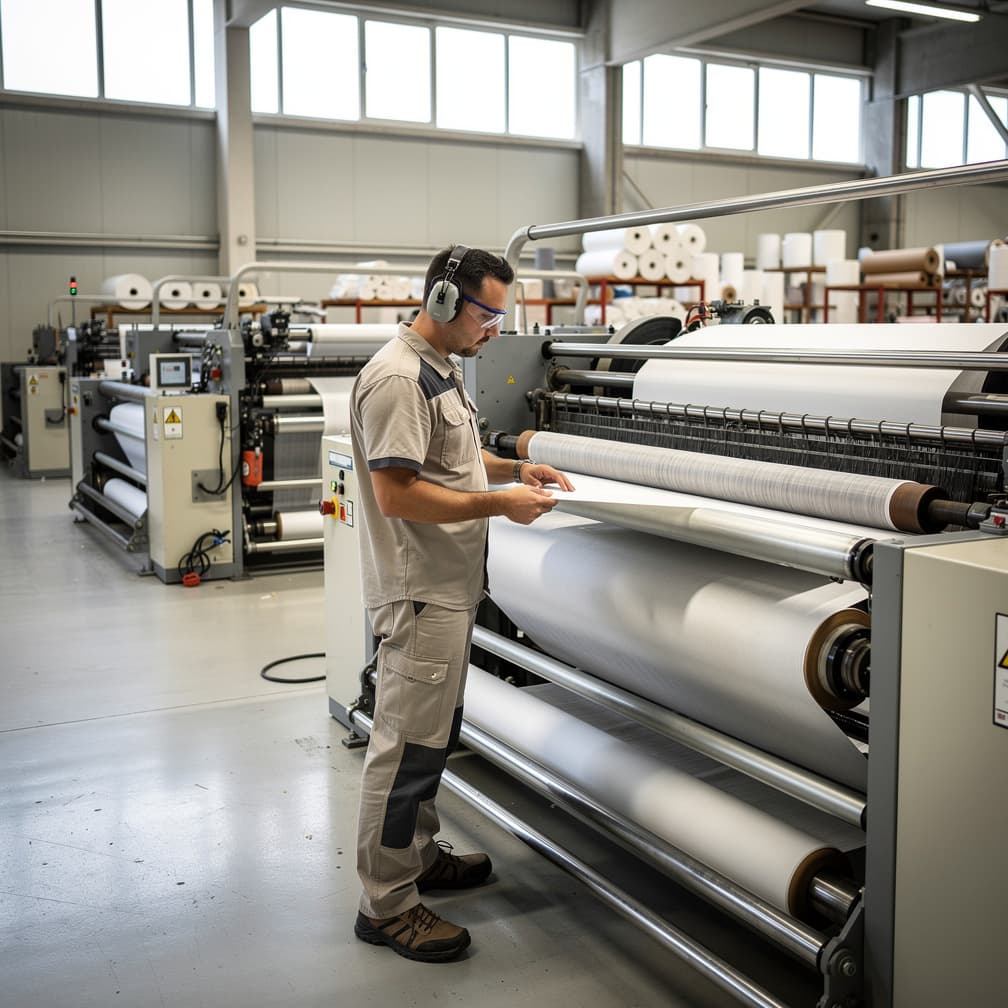

As the owner of a textile plant in New Haven, your risk sits in three places: the machines, the stock, and the people crossing the floor. Each one fails in its own way, and each one gets priced in its own column. Textile manufacturer insurance in New Haven is really a set of separate decisions that arrive quoted as a single number. A loom breakdown is a schedule and a limit question. A dye lot rejected after it ships is a product and defense question. A vendor who slips near a loading door is a liability and a payroll question. Owners who separate those questions collect quotes that can be compared; owners who just ask for a price collect quotes that cannot. Sort the exposures, then let participating carriers bid on one clear picture.
What Makes New Haven Different
Payroll is the meter running your largest insurance cost, and job classification sets how fast it spins. A dye-house worker, a loom fixer, and an office clerk each carry a different rate. Misclassify them and an audit corrects it later, with interest and no room left to argue. Your loss run is the second lever, and it follows you across carriers for years. One serious injury can outweigh every safety improvement made in the year after it. Equipment values are the third, and a stale schedule underprices the risk and underpays the loss. Pricing a policy for a plant in New Haven starts with those three numbers, not a quote form. Get them right and every quote you gather in New Haven finally describes the same plant.
Local Risk Factors in New Haven
A day of high wind can peel back a roof panel and let rain into the very rooms where dye lots and finished rolls sit waiting for shipment. The damage is rarely just the roof; it is the soaked inventory and the electronics on the machines beneath it. Wind is generally a covered peril on a commercial property policy, but a separate hurricane or wind deductible usually applies and lands before the insurer's share begins. Flooding and storm surge remain outside that form and belong to a flood policy instead. Keep the equipment schedule current and stage a shutdown plan so a plant in New Haven can secure stock quickly. Ask a carrier in Connecticut how the wind deductible is calculated, since a percentage deductible bites harder than owners expect.
What Coverage Does a Textile Manufacturer in New Haven Need?
General Liability
Landlords, buyers, and event venues usually ask for it before they let you operate or ship. General Liability can help cover third-party bodily injury and property damage, such as a delivery driver hurt on your floor or a visitor's damaged goods. It typically excludes damage to your own stock and machinery, which belongs with property coverage instead.
Example: A vendor slips on a wet spot near the dye line and later files a claim for a hurt back. General Liability may respond to the medical bills and your legal defense, up to the policy limit.
Commercial Property
Your building, your looms and finishing equipment, and the raw and finished stock on the floor are the core of what this line addresses. Commercial Property might help cover fire, theft, and sudden water damage to those assets. Flood and slow wear are typically excluded, and a business income limit is what carries the weeks a loss keeps the line down.
Example: A finishing-room fire spreads to a rack of finished rolls one night at a plant in New Haven, and smoke reaches stock the flames never touched. Commercial Property can respond to the damaged goods and the building, subject to your deductible.
Workers Compensation
A loom operator catches a hand in a moving part, or a dye-house worker strains a back lifting a roll: those on-the-job injuries are what this line is meant for. Workers' Compensation may help cover medical treatment and lost wages, and it is rated on payroll and job class. It generally does not respond to a customer or vendor injury, which falls to general liability.
Example: During a night run at a New Haven mill, a sewing operator's hand is caught in a machine, and she needs surgery and weeks off. Workers' Compensation can help with the medical bills and a portion of her lost wages.
Tools & Equipment (Inland Marine)
What a standard building policy leaves behind the moment gear leaves the building is exactly what this line picks up. Inland Marine could help cover portable tools, testing gear, and mobile equipment while off site or in transit. It usually does not reach the fixed production line, which stays with your property policy, and it works best when each item is scheduled at replacement cost.
Example: A portable fabric inspection unit is knocked off a cart and cracked while being moved to a trade show. Inland Marine can respond to the repair or replacement, wherever the damage happened.
Commercial Umbrella
Where an underlying liability limit stops, this layer continues. Commercial Umbrella can help cover a judgment or settlement that runs past your General Liability limit, which matters when a buyer's contract demands a high figure. It sits on top of existing policies rather than replacing them, and it does nothing until the underlying limit is exhausted.
Example: A product-defect suit over a bad dye lot settles for more than the General Liability limit can absorb. A Commercial Umbrella may pick up the excess, so one large claim does not reach the plant's own accounts.
How Much Does Textile Manufacturer Insurance Cost in New Haven?
Textile Manufacturer Insurance is a bundle of separate policies, priced separately. The ranges below are typical figures for New Haven for each line, except workers compensation, which is rated per $100 of payroll; a quote prices each one against your own operations.
| Coverage | Typical range | What moves your price |
|---|---|---|
| General Liability Insurance | $130 - $490 per month | Industry and risk classification, annual revenue, number of employees |
| Commercial Property Insurance | $260 - $975 per month | Building value and construction type, roof age and condition, fire protection class |
| Workers Compensation Insurance | $0.75 - $2.74 per $100 of payroll | Employee classification codes, total annual payroll, experience modification rate |
| Inland Marine Insurance | $45 - $160 per month | Total insured value of the scheduled property, type and age of the equipment, where it is stored and how far it travels |
| Commercial Umbrella Insurance | $100 - $330 per month | Umbrella limit requested, limits carried on the underlying policies, loss history on those underlying policies |
Prices shown are general estimates, not guaranteed rates or quotes. Your actual premium will depend on the insurer, coverage selected, business details, location, claims history, and other underwriting factors. Learn about our pricing methodology.
What Are the Insurance Requirements for a Textile Manufacturer in New Haven?
Workers' comp is generally required once you have your first employee. Connecticut generally requires employers to carry workers' compensation at that point. Common exemptions include sole proprietors and partners. Confirm current thresholds with your state's workers' compensation agency before you hire.
Flood damage is typically excluded from standard policies. Standard commercial property and builders-risk-type policies typically exclude flood. Given New Haven's coastal flood exposure, a separate flood policy is worth pricing; FEMA's National Flood Insurance Program is the usual starting point.
Where to verify licensing and coverage rules. The Connecticut Insurance Department publishes consumer guidance and current insurance requirements for Connecticut businesses. When a contract or lease demands specific wording, the Connecticut Insurance Department's guidance is the authoritative place to check.
Get Your Textile Manufacturer Quote in New Haven
Compare rates from multiple carriers. Free quotes, no obligation.
Operating in New Haven
- A buyer in New Haven large enough to run automated compliance checks can freeze an order the moment a certificate expires, with no phone call and nothing wrong with the goods themselves.
- Underwriters read your housekeeping as closely as your revenue: lint and fiber dust around heat-producing equipment push the fire rate up, and a documented cleaning routine can pull it back down.
- Vendors, inspectors, and delivery drivers cross a plant floor every day, and a single slip near a running machine can become a third-party injury claim that lands on your general liability.
- An equipment list that was never updated after the last upgrade quietly underinsures the plant, because a machine carried at an old purchase price pays out far less than it costs to replace.
How to Buy: Advice for New Haven Owners
Payroll classification is where a Workers' Compensation bill is quietly won or lost. A sewing operator, a dye-house worker, and a bookkeeper each fall into a different rate class. List the actual duties rather than the job titles alone, because an audit reclassifies loose codes with interest. Getting the split right can lower the premium without changing a single thing about how the plant in New Haven runs. General Liability rides alongside for visitors and delivery drivers hurt on the premises, and it is priced separately. The Connecticut Insurance Department publishes consumer guidance on classifying employees for coverage. Send accurate classifications to participating carriers, then compare the quotes that come back.
FAQ
Textile Manufacturer Insurance in New Haven: FAQ
Per-occurrence is the ceiling on any single claim; aggregate is the ceiling across the entire policy term. A run of claims in one bad year can use up the aggregate even while each per-occurrence limit still looks healthy. The buyer checking your certificate sees the stated numbers, never how much is already spent. Track what you have promised and how much of the aggregate remains.
The shipment can stop even though nothing is wrong with the goods. Buyers with automated compliance systems flag an expired certificate instantly, and the order freezes until fresh proof arrives. A plant in New Haven can lose a delivery window to a paperwork gap that has nothing to do with a claim. Set renewal dates against your largest contracts so the document never trails the obligation behind it.
That is what Inland Marine is built for. A property policy tends to stay tied to the described location, while Inland Marine can follow tools and mobile equipment off site or in transit. Fixed production machinery is a separate question and may need equipment breakdown wording. Schedule portable items at current replacement cost, because a stale value means a short settlement if one is lost or damaged.
It can, through products and completed-operations coverage inside a general liability policy. If a finished roll fails a wash test or a dye lot is off spec after delivery, a third party may claim damages and the policy may respond to defense and settlement. Intentional acts and simply reworking your own product are usually excluded. Ask how defense costs are treated, because on a disputed lot they can outrun the claim itself.
Likely, because payroll is the main driver of the Workers' Compensation line. Adding people raises the payroll the rate applies to, and a night shift can move some duties into different class codes. Report changes honestly rather than waiting for the audit, which reconciles the real figures with interest. Carriers in Connecticut may rate the same duties a little differently, so it is worth comparing at renewal.
Gather annual payroll split by job, the replacement value of stock and machines, a current equipment list with model and age, and a few years of loss history. Vague inputs get priced as though the worst assumption were true, so precision lowers the number honestly. If contracts require specific limits or additional insureds, bring those too. One clean packet lets several carriers quote the same plant.
Sources
- 1.Connecticut Insurance Department(Connecticut Insurance Department publishes consumer guidance for insurance buyers.)
- 2.FEMA / FloodSmart(Flood coverage is typically purchased separately; FEMA administers the National Flood Insurance Program.)


