Updated July 16, 2026

Commercial Auto Insurance in New Haven
New Haven County has roughly 13,808 business establishments, which means more landlords, hospitals, and retail accounts may ask for your vehicle schedule and certificates before handing you a contract. A policy built for one van and occasional errands can break down fast when your day includes deliveries downtown or service calls near Yale. The local market brings a wide mix of account types into the same streets, from patient transport and home-service driving to retail pickup runs and contractor vehicles carrying tools. When you are ready to compare options, it helps to have your VINs, driver roster, radius of operation, and any personal vehicles used for business errands organized alongside limits and endorsements that fit those patterns.
Commercial Auto Insurance Risk Factors in New Haven
New Haven's top risk factors include Flooding, Hurricane damage, Coastal storm surge, and Wind damage. Flooding can cause significant vehicle damage, make sure comprehensive coverage is included.
Connecticut has a moderate climate risk rating. Top hazards: Hurricane (High), Nor'easter (High), Flooding (Moderate), Winter Storm (Moderate). The state's expected annual loss from natural hazards is $620M, which influences commercial auto insurance premiums and may affect coverage availability in high-risk areas.
What Commercial Auto Insurance Covers
In Connecticut, commercial auto insurance is designed to respond when a business vehicle is involved in an accident, whether that vehicle is a company car, service van, pickup, straight truck, or a mixed fleet. The core protection includes liability coverage for bodily injury and property damage, plus collision for damage to your insured vehicle and comprehensive for losses tied to theft or weather-related events. That matters here because winter storms and coastal flooding are all part of the state's loss history, and those conditions can affect parked vehicles, travel schedules, and accident frequency.
The state minimum liability requirement applies to commercial vehicles, but minimums are only the starting point. Many businesses choose higher limits because accident claims in Connecticut can be costly, so higher limits are often worth reviewing. Uninsured and underinsured motorist coverage may be required, so it should be checked carefully when you build a policy. Medical payments and uninsured motorist protection are also part of the product design, and hired auto or non-owned auto coverage can be added when employees use rental vehicles or personal cars for business errands, client visits, or deliveries.
Hired and non-owned auto coverage needs the right endorsement, and coverage for cargo or equipment is not implied by the basic auto form. If your business operates in Hartford's commuter lanes, New Haven's urban traffic, or coastal routes where weather can change quickly, the policy structure should match the way the vehicle is actually used.
Coverage Included
Bodily Injury Liability
Covers injuries you cause to others in an accident

Property Damage Liability
Covers damage you cause to others' property
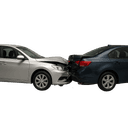
Collision Coverage
Pays for damage to your vehicle in an accident

Comprehensive Coverage
Covers theft, vandalism, weather, and animal damage

Medical Payments
Covers medical costs for your drivers and passengers

Uninsured Motorist
Protection when the other driver lacks insurance
Hired & Non-Owned Auto
Covers rented or employee-owned vehicles used for work
Commercial Auto Insurance Cost in New Haven
Average Cost in Connecticut
$150 - $440
per month
Businesses in Connecticut typically see commercial auto insurance premiums of $150 - $440 per month, which tends to run 7% above the national range of $140 - $410 per month.
- Fleet size and vehicle types
- Driver records and experience
- Coverage limits and deductibles
- Business industry and use
- Annual mileage and operating radius
- Claims history
Rates based on small business averages. Your actual premium may vary.
Prices shown are general estimates, not guaranteed rates or quotes. Your actual premium will depend on the insurer, coverage selected, business details, location, claims history, and other underwriting factors. Learn about our pricing methodology.
The Connecticut pricing picture is shaped by a premium environment that is already above the national average. What you pay depends on factors like vehicle type, fleet size, driver records, coverage limits, deductibles, business use, annual mileage, operating radius, and claims history. Connecticut has roughly 98,200 businesses, nearly all of them small operations, which means carriers are already pricing for the kind of dense traffic and urban driving patterns you deal with every day.
The state saw 89,000 total crashes in 2023. Following too closely, reckless driving, weather conditions, drowsy driving, and failure to yield were among the top causes. If your drivers run those routes frequently, expect underwriters to price for that risk. The market also includes many active insurance companies, so quote differences can come from underwriting style as much as from coverage design. Premiums may also move based on whether you insure one company car or a fleet, whether your operation involves heavy trucks or lighter vehicles, and whether you add endorsements for hired or non-owned vehicles. Rates are based on small business averages, and your actual premium may vary.
Industries & Insurance Needs in New Haven
In the county containing New Haven, the establishment mix leans toward health care and social assistance at 13.8%, retail trade at 13.5%, and other services, except public administration, at 11.3%. That mix matters for commercial auto buying because these sectors often create frequent short-route driving, employee use of personal cars, delivery exposure, and time-sensitive stops in busy commercial areas. A home health agency, pharmacy-related operation, retailer, repair business, or mobile service company can all have very different liability patterns even if each only runs a few vehicles. Here, it is worth asking your agent to separate owned autos from hired and non-owned exposure, confirm who is authorized to drive, and review whether loading, unloading, or attached equipment changes the way your vehicles should be scheduled. If your operation touches more than one of those sectors, classify each use clearly before you bind coverage.
What Makes New Haven Different
Many businesses do not operate a simple fleet that leaves a yard in the morning and returns at night. They mix employee errands, customer pickups, service calls, and occasional use of personal vehicles for business tasks. That creates gaps if your quote assumes every trip looks the same or every driver uses only a company-owned unit. New Haven also sits inside a county economy with a broad service and retail base, and that variety means a sharper picture of who drives, what they carry, where vehicles are kept, and whether any staff use their own cars for work can lead to terms that better match your actual operations. When you document vehicles, drivers, trip types, and non-owned auto exposure together, your application gets cleaner and your coverage is more likely to fit how your business actually operates.
Our Recommendation for New Haven
If staff visit clients, pick up supplies, make bank deposits, or run parts across town in their own vehicles, ask for a hired and non-owned auto review instead of assuming your general liability policy addresses it. For a local operation with shared vehicles, stale driver rosters create avoidable underwriting issues and claims friction, so keeping that list current matters. You should also match each unit to its real use, especially if one vehicle carries tools, another handles deliveries, and another is used by supervisors for site visits. If your customer base includes households, medical offices, retail locations, or property managers, keep certificates and ID cards easy to produce, since proof of coverage is often part of getting work started. Gather loss runs, current declarations, VINs, garaging addresses, and your driver list before you compare options.
Get Commercial Auto Insurance in New Haven
Enter your ZIP code to compare commercial auto insurance rates from carriers in New Haven, CT.
Business insurance starting at $25/mo
FAQ
Frequently Asked Questions
New Haven businesses with only a few vehicles often do need a detailed review, because mixed use is common here. A small fleet that handles deliveries, service calls, and employee errands can need different terms than a simple commute-only vehicle schedule.
New Haven companies that rely on employee cars for deposits, client visits, or supply runs should ask about hired and non-owned auto exposure. That is often the key review point when the business does not own every vehicle used in operations.
South Central Connecticut has roughly 13,808 business establishments, which translates to more competition for contracts that demand current certificates and accurate vehicle schedules. When schedules are sloppy or classifications are unclear, quoting slows down and coverage gaps open up.
Area buyers should describe trip type, cargo or tools, driver assignments, and whether stops are time-sensitive. In the county economy, health care and social assistance account for 13.8%, retail trade 13.5%, and other services 11.3%, meaning a large share of your potential clients may require specific documentation before they let you park on their property or enter their facilities.
If you need regulator information, the **Connecticut Insurance Department** is the state agency to reference.
It may help cover liability for bodily injury and property damage, collision damage to your vehicle, comprehensive losses such as theft or weather damage, medical payments, and uninsured or underinsured motorist protection, with hired and non-owned auto coverage available by endorsement.
Connecticut requires commercial vehicles to carry minimum liability of $25,000 per person for bodily injury, $50,000 per accident for bodily injury, and $25,000 for property damage. All commercial vehicles must be registered with the DMV, and uninsured and underinsured motorist coverage may be required.
Pricing varies based on fleet size, drivers, vehicle type, mileage, coverage limits, and claims history. Your actual premium may differ from published averages.
Sources
- 1.U.S. Census Bureau, County Business Patterns, South Central Connecticut Planning Region(In the county that contains New Haven, there are 13,808 business establishments.; In the county containing New Haven, the establishment mix leans toward health care and social assistance at 13.8%, retail trade at 13.5%, and other services, except public administration, at 11.3%.)
- 2.Connecticut Insurance Department(If you need regulator information, the Connecticut Insurance Department is the state agency to reference.)
Updated July 16, 2026