







































Updated July 16, 2026

Inland Marine Insurance in New Haven
Health care and social assistance is the largest establishment sector in New Haven County at 13.8%, with retail close behind at 13.5%. When your client base spans clinics, storefronts, and service locations, your property may rotate through those spaces more often than it sits at one address. Inland marine insurance often comes up when your property moves between customer sites, stockrooms, pop-up setups, and temporary work areas instead of staying at one fixed location. A contractor serving medical offices, a vendor delivering display equipment downtown, or a service firm carrying diagnostic, electronic, or specialized tools all create a different exposure than property kept only at your main location. The South Central Connecticut Planning Region has 13,808 business establishments, so expect certificates, contract terms, and site access rules to shift from one client to the next. Before you request terms, take stock of what actually travels, where it lands during the day, and who is responsible for it at each stop. Decide whether you need itemized scheduling or broader miscellaneous coverage based on that picture. That gives you a cleaner quote and helps you spot gaps before a loss happens.
Inland Marine Insurance Risk Factors in New Haven
New Haven's top risk factors include Flooding, Hurricane damage, Coastal storm surge, and Wind damage.
Connecticut has a moderate climate risk rating. Top hazards: Hurricane (High), Nor'easter (High), Flooding (Moderate), Winter Storm (Moderate). The state's expected annual loss from natural hazards is $620M, which influences inland marine insurance premiums and may affect coverage availability in high-risk areas.
What Inland Marine Insurance Covers
In Connecticut, inland marine insurance is built around property that is mobile, installed away from your main premises, or temporarily stored between project phases. That includes tools, jobsite equipment, building materials, and goods in transit when items move from one location to another over land. It can also be structured for installation floater coverage when materials are being placed at a customer site before a project is finished, and for builders risk coverage when a project is under construction and the exposure is tied to the work in progress. Unlike a standard commercial property policy that focuses on a fixed location, this coverage follows your property during travel, at job sites, and at temporary storage locations.
Connecticut does not publish a single statewide inland marine mandate, but client contracts and project agreements often set expectations, and the Connecticut Insurance Department regulates carriers in the market. That means endorsements, limits, deductibles, and covered perils can vary by insurer, especially for businesses operating in coastal counties, flood-prone areas, or places with frequent winter storm disruption. A policy may cover theft, damage, vandalism, and other covered perils while property is away from the main business location, but exact terms depend on the quote and policy form. Businesses with temporary storage in Hartford, deliveries into New Haven, or equipment movement along the shoreline should confirm how the policy defines transit, jobsite storage, and off-premises locations before binding.
Coverage Included
Tools & Equipment
Can help repair or replace hand tools, power tools, and gear that are stolen or damaged on the job or in transit.

Goods in Transit
May cover products, materials, and merchandise while they are being shipped or hauled between locations in your care.
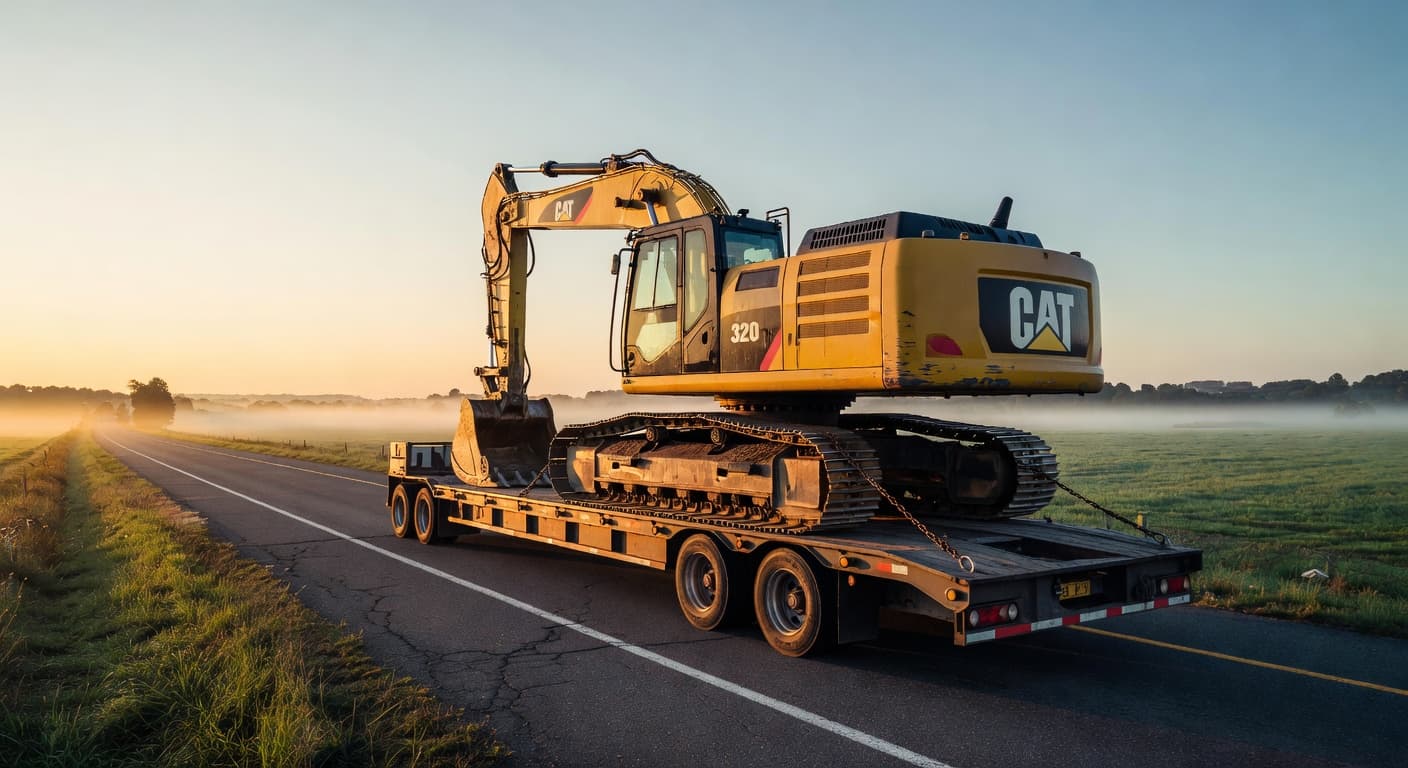
Contractors Equipment
Typically covers heavy machinery like excavators, loaders, and generators against theft or damage at job sites and between them.

Installation Floater
Can help cover materials and fixtures from the moment you buy them until they are installed and accepted at a project.

Builders Risk
May cover a structure under construction, along with materials on site, against damage from fire, wind, theft, and vandalism.
Inland Marine Insurance Cost in New Haven
Average Cost in Connecticut
$25 - $110
per month
Businesses in Connecticut typically see inland marine insurance premiums of $25 - $110 per month, which tends to run 13% above the national range of $20 - $100 per month.
- Total insured value of the scheduled property
- Type and age of the equipment
- Where it is stored and how far it travels
- Jobsite security and theft prevention
- Per-item limits and deductibles
- Prior theft and in-transit losses
Contact CPK Insurance for a personalized quote.
Prices shown are general estimates, not guaranteed rates or quotes. Your actual premium will depend on the insurer, coverage selected, business details, location, claims history, and other underwriting factors. Learn about our pricing methodology.
Pricing in Connecticut varies based on the property schedule and the carrier's underwriting view, with many small-business policies starting at around $25 per month. The state's above-average market baseline can affect pricing even before you add project-specific risks. Several Connecticut factors can move pricing up or down. Coverage limits and deductibles are central, as are claims history, location, industry or risk profile, and policy endorsements. A contractor moving high-value tools through Hartford, Stamford, or coastal job sites may see different pricing than a business with lower-value mobile property and limited travel. Weather exposure matters too. Connecticut's high hurricane and nor'easter risk, moderate flooding risk, and moderate winter storm risk can influence how insurers view transit and temporary storage exposures. Recent storm activity reinforces why carriers pay close attention to where property is stored and how often it moves.
Because Connecticut has a large small-business population, many buyers are comparing a narrow set of exposures rather than broad enterprise risk. That means the price depends more on the actual schedule of tools, equipment, and materials than on a standard class rate. A personalized quote is the best way to see how those details affect premium.
What Makes New Haven Different
New Haven's mix of medical, retail, and neighborhood service activity creates a different kind of exposure for mobile property. It may rotate through patient-facing spaces, leased suites, customer premises, back-room storage, delivery vehicles, and short-term staging points in the same week rather than simply moving between your office and a single job site. Underwriters care about the specifics: what the property is, how often it moves, where it sits overnight, and who has hands on it at each stop. If your work touches clinics, storefronts, or multi-tenant buildings, review whether your quote is built around named high-value items, a blanket tool approach, installation exposures, or broader transit protection. The right structure depends less on your mailing address and more on your chain of custody. You can start by mapping the handoffs, overnight storage habits, and highest-value items that leave your premises.
Our Recommendation for New Haven
Request a quote built from your actual movement pattern rather than a generic equipment list. When you carry specialized devices, tools, or portable stock into customer locations, it pays to separate the property that truly needs scheduled limits from lower-value items that can sit under a broader form. Equipment left in vehicles or at temporary sites during the workday should be stated clearly up front so those conditions can be reviewed instead of discovered after a claim. If you serve larger institutions or property managers, keep an updated inventory with serial numbers, replacement values, and photos, because incomplete records are the single biggest reason claim payments get delayed. For smaller operations, the local median household income is $53,771, which means many households in the area would struggle to absorb a sudden equipment replacement out of pocket. Bring your current property list, your three most common job or delivery scenarios, and any contract insurance requirements into the quote process.
Get Inland Marine Insurance in New Haven
Enter your ZIP code to compare inland marine insurance rates from carriers in New Haven, CT.
Business insurance starting at $25/mo
FAQ
Frequently Asked Questions
Businesses that move tools, equipment, or stock between customer sites, clinics, stores, and temporary work areas tend to benefit most from this kind of policy. Health care and social assistance is the largest sector in the county at 13.8%. That concentration tells you portable professional equipment is a common exposure worth reviewing.
Service vendors often need closer review because property may pass through multiple controlled spaces in one week. County industry mix matters here, with health care and social assistance leading at 13.8%. Stricter access rules, more custody changes, and more temporary placement situations are worth describing clearly on your application.
Applicants should list the items that travel, their replacement values, where they are stored during the day, and whether they stay overnight off premises. The region has 13,808 business establishments, so site requirements and contract language can differ widely by client.
Owners often decide this by asking how easily they could replace mobile equipment after a theft or damage loss. Median household income sits at $53,771. For smaller operators, that figure can make the cost of coverage look modest compared with replacing key gear out of pocket.
In Connecticut, it is commonly used for tools, equipment, materials, and goods that move between job sites, customer locations, or temporary storage, including property in transit over land.
It is designed to follow covered property away from your fixed address, so jobsite storage and temporary storage can be included if the policy form and endorsements address those locations.
Contractors, electricians, plumbers, landscapers, manufacturers moving components, and other Connecticut businesses that regularly relocate valuable property are strong candidates.
Premiums depend on coverage limits, deductibles, claims history, location, industry or risk profile, and policy endorsements, with Connecticut's above-average premium index also influencing the market.
Sources
- 1.U.S. Census Bureau, County Business Patterns, South Central Connecticut Planning Region(Health care and social assistance is the largest establishment sector in the county containing the city, at 13.8%, with retail close behind at 13.5%.; In the South Central Connecticut Planning Region, there are 13,808 business establishments.)
- 2.U.S. Census Bureau, ACS 5-Year Estimates, table B19013(The local median household income is $53,771.)
Updated July 16, 2026





