








































Updated July 16, 2026

Inland Marine Insurance in Stamford
A laptop kit disappears from a parked vehicle after a client meeting downtown, or a contractor tool set is left at a temporary stop between appointments. Inland marine insurance can help address these moving-property losses, which tend to happen when professional work, retail activity, and service calls overlap in the same business day. Professional, scientific, and technical services account for 13.2% of establishments in the county containing Stamford, retail trade 11.9%, and health care and social assistance 11%. That mix means a large share of local businesses depend on equipment that travels, gets set up off-site, or sits briefly in transit before the next job. The practical question is not whether you own valuable property, but how often it leaves your main address and who has custody of it when it does. If your operation moves property between offices, client sites, or vehicles, ask for a quote built around those movements and the places where items are most likely to be left unattended.
Inland Marine Insurance Risk Factors in Stamford
**Temporary stops are the local pressure point here.** A business can start the morning in an office tower, move to a client site, stop at a garage or curbside space, and finish at another location with the same equipment still in the vehicle or being carried through common areas. That creates a different exposure than property that stays inside one controlled premises all day. The county business mix helps explain why: professional, scientific, and technical services make up 13.2% of establishments, retail trade 11.9%, and health care and social assistance 11%, so many firms here depend on portable electronics, instruments, sample inventory, or specialized tools that are regularly in transit. Review whether your policy should schedule individual high-value items, cover property while temporarily stored away from your main location, and address **theft vulnerability during short stops**. If employees use personal vehicles or move equipment between multiple appointments, bring that workflow into the quote request instead of assuming a standard property form follows it.
Connecticut has a moderate climate risk rating. Top hazards: Hurricane (High), Nor'easter (High), Flooding (Moderate), Winter Storm (Moderate). The state's expected annual loss from natural hazards is $620M, which influences inland marine insurance premiums and may affect coverage availability in high-risk areas.
What Inland Marine Insurance Covers
In Connecticut, inland marine insurance is built around property that is mobile, installed away from your main premises, or temporarily stored between project phases. That includes tools, jobsite equipment, building materials, and goods in transit when items move from one location to another over land. It can also be structured for installation floater coverage when materials are being placed at a customer site before a project is finished, and for builders risk coverage when a project is under construction and the exposure is tied to the work in progress. Unlike a standard commercial property policy that focuses on a fixed location, this coverage follows your property during travel, at job sites, and at temporary storage locations.
Connecticut does not publish a single statewide inland marine mandate, but client contracts and project agreements often set expectations, and the Connecticut Insurance Department regulates carriers in the market. That means endorsements, limits, deductibles, and covered perils can vary by insurer, especially for businesses operating in coastal counties, flood-prone areas, or places with frequent winter storm disruption. A policy may cover theft, damage, vandalism, and other covered perils while property is away from the main business location, but exact terms depend on the quote and policy form. Businesses with temporary storage in Hartford, deliveries into New Haven, or equipment movement along the shoreline should confirm how the policy defines transit, jobsite storage, and off-premises locations before binding.
Coverage Included
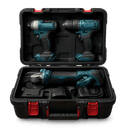
Tools & Equipment
Can help repair or replace hand tools, power tools, and gear that are stolen or damaged on the job or in transit.

Goods in Transit
May cover products, materials, and merchandise while they are being shipped or hauled between locations in your care.
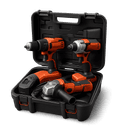
Contractors Equipment
Typically covers heavy machinery like excavators, loaders, and generators against theft or damage at job sites and between them.

Installation Floater
Can help cover materials and fixtures from the moment you buy them until they are installed and accepted at a project.
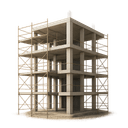
Builders Risk
May cover a structure under construction, along with materials on site, against damage from fire, wind, theft, and vandalism.
Inland Marine Insurance Cost in Stamford
Average Cost in Connecticut
$25 - $110
per month
Businesses in Connecticut typically see inland marine insurance premiums of $25 - $110 per month, which tends to run 13% above the national range of $20 - $100 per month.
- Total insured value of the scheduled property
- Type and age of the equipment
- Where it is stored and how far it travels
- Jobsite security and theft prevention
- Per-item limits and deductibles
- Prior theft and in-transit losses
Contact CPK Insurance for a personalized quote.
Prices shown are general estimates, not guaranteed rates or quotes. Your actual premium will depend on the insurer, coverage selected, business details, location, claims history, and other underwriting factors. Learn about our pricing methodology.
Pricing in Connecticut varies based on the property schedule and the carrier's underwriting view, with many small-business policies starting at around $25 per month. The state's above-average market baseline can affect pricing even before you add project-specific risks. Several Connecticut factors can move pricing up or down. Coverage limits and deductibles are central, as are claims history, location, industry or risk profile, and policy endorsements. A contractor moving high-value tools through Hartford, Stamford, or coastal job sites may see different pricing than a business with lower-value mobile property and limited travel. Weather exposure matters too. Connecticut's high hurricane and nor'easter risk, moderate flooding risk, and moderate winter storm risk can influence how insurers view transit and temporary storage exposures. Recent storm activity reinforces why carriers pay close attention to where property is stored and how often it moves.
Because Connecticut has a large small-business population, many buyers are comparing a narrow set of exposures rather than broad enterprise risk. That means the price depends more on the actual schedule of tools, equipment, and materials than on a standard class rate. A personalized quote is the best way to see how those details affect premium.
What Makes Stamford Different
Mobility of higher-value business property is what changes the calculus here. Most buyers are not asking about bulk stock moving long distances. They are trying to insure compact, expensive items that travel constantly between offices, client meetings, treatment locations, retail setups, and temporary workspaces. The county containing Stamford has 19,826 business establishments. That density means vendors, consultants, clinicians, and service firms operate where property changes hands, locations, and storage conditions quickly. Your buying decision should focus on the exact property classes involved. Those might be tools, electronics, medical devices, installation materials, fine arts, or customer property in your care. Valuation matters too. If replacing one stolen or damaged item would interrupt revenue for days, ask how the policy handles scheduled items, replacement cost options where available, and claims documentation for property that is rarely sitting at one address for long.
Our Recommendation for Stamford
Start with a simple movement map of your property. List what leaves your main location, who transports it, where it is set down during the day, and which items would be hardest to replace quickly. That exercise usually shows whether you need scheduled equipment coverage, a contractor-focused form, or protection for property at another premises. Stamford's median household income is $107,474. In practical terms, that means service expectations and replacement costs for client-facing equipment can be high when a loss delays work, damages a presentation, or forces you to reschedule appointments. It is worth reviewing limits item by item instead of using a rough blanket estimate. Ask specifically about theft from vehicles, temporary storage away from your premises, deductible fit, and how newly acquired equipment is treated before it is added to the schedule. Then compare quotes using the same property list so you can see which option actually matches how your business moves.
Get Inland Marine Insurance in Stamford
Enter your ZIP code to compare inland marine insurance rates from carriers in Stamford, CT.
Business insurance starting at $25/mo
FAQ
Frequently Asked Questions
Businesses with equipment that travels between offices and client sites are a strong fit. Professional, scientific, and technical services represent 13.2% of establishments in the county containing Stamford. That share tells you portable, higher-value gear is a common exposure worth reviewing.
Buyers often need coverage reviewed for property that is set down away from the main premises during appointments, deliveries, or setup. The key step is to describe those temporary stops clearly, because policy terms can treat transit and temporary storage differently.
The county containing Stamford has 19,826 business establishments. With that many firms in one area, site visits, deliveries, and off-site work happen constantly. If your property moves often, your quote should be built around that movement, not just your office address.
Retail and health-related operations often carry display items, devices, or specialized equipment off premises. Retail trade is 11.9% of establishments in the county containing Stamford and health care and social assistance is 11%. Those figures show mobile property exposures are not limited to contractors.
Businesses should set limits from a current equipment list, not a rough guess. With local median household income at $107,474, delays and replacement expectations can be expensive. Underinsuring one critical item can disrupt revenue faster than many owners expect.
In Connecticut, it is commonly used for tools, equipment, materials, and goods that move between job sites, customer locations, or temporary storage, including property in transit over land.
It is designed to follow covered property away from your fixed address, so jobsite storage and temporary storage can be included if the policy form and endorsements address those locations.
Contractors, electricians, plumbers, landscapers, manufacturers moving components, and other Connecticut businesses that regularly relocate valuable property are strong candidates.
Sources
- 1.U.S. Census Bureau, County Business Patterns, Western Connecticut Planning Region(In the county containing Stamford, professional, scientific, and technical services account for 13.2% of establishments, retail trade 11.9%, and health care and social assistance 11%, so a lot of local businesses rely on equipment that travels, gets set up off-site, or sits briefly in transit before the next job.; The county containing Stamford has 19,826 business establishments, so vendors, consultants, clinicians, and service firms often operate in a dense commercial environment where property changes hands, locations, and storage conditions quickly.)
- 2.U.S. Census Bureau, ACS 5-Year Estimates, table B19013(Stamford's median household income is $107,474, so service expectations and replacement costs for client-facing equipment can be high when a loss delays work, damages a presentation, or forces you to reschedule appointments.)
Updated July 16, 2026





