







































Updated July 6, 2026

Veterinary Clinic Insurance in Delaware
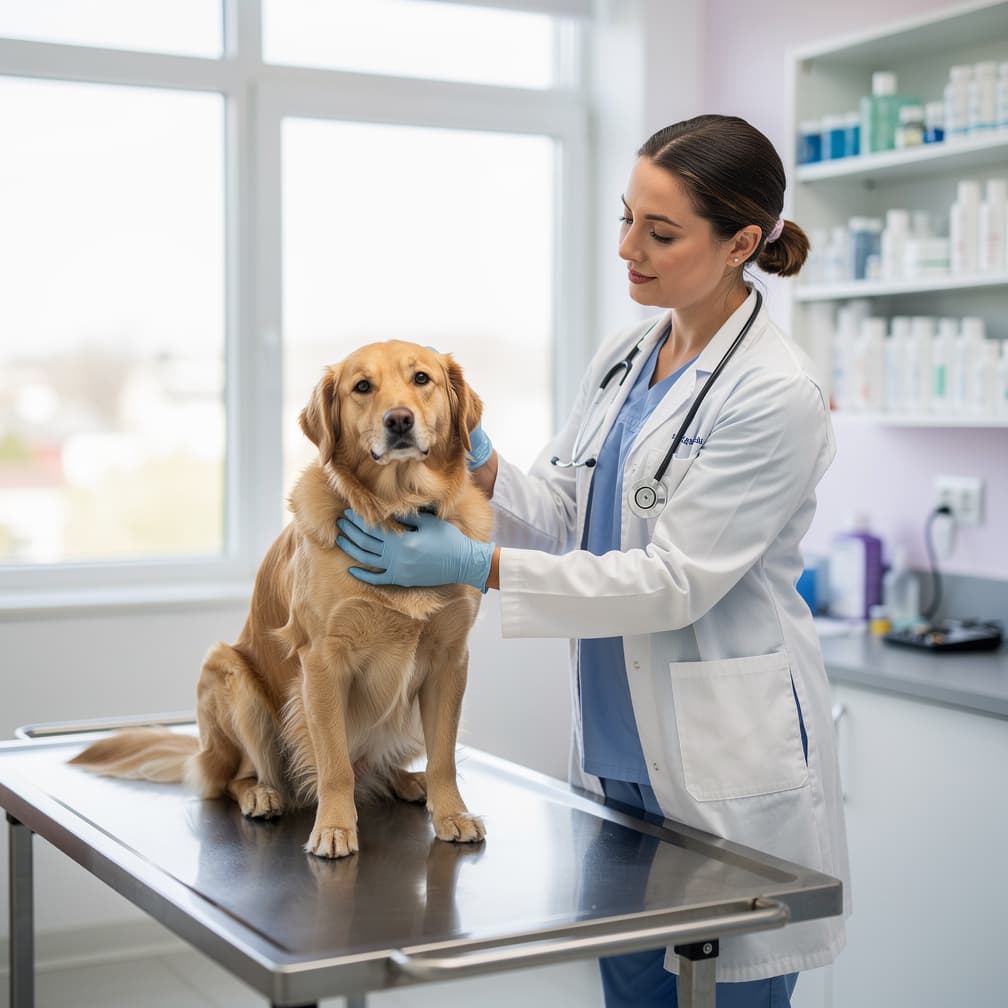
A technician is holding an anxious dog for bloodwork, the doctor is explaining post procedure instructions to the owner, and the front desk is confirming a refill before the afternoon rush starts. In that one stretch of the day, your exposure moves between patient handling, medical judgment, medication controls, client communication, and the computers that hold records and payment data. Veterinary clinic insurance in Delaware should be reviewed around that workflow, not as a generic package, because a claim can start in the treatment area and turn into a dispute about consent, documentation, or follow up. Delaware also affects how you review staffing and compliance. If your clinic has employees, workers compensation may be required starting with one employee, so hiring plans, job duties, and payroll classification should be accurate before you request terms. Weather related property concerns also matter here, especially when your clinic depends on refrigeration, diagnostic equipment, and uninterrupted access for scheduled procedures. Before you shop, map how animals move through exam rooms, treatment, pharmacy storage, recovery, and any boarding space, then compare quotes that match those real operating points.
How Much Does Veterinary Clinic Insurance Cost in Delaware?
Veterinary Clinic Insurance is a bundle of separate policies, priced separately. The ranges below are typical figures for Delaware for each line, except workers compensation, which is rated per $100 of payroll; a quote prices each one against your own operations.
| Coverage | Typical range | What moves your price |
|---|---|---|
| Professional Liability Insurance | $80 - $260 per month | The services you actually perform, annual revenue or billed fees, limit and retention selected |
| General Liability Insurance | $60 - $180 per month | Industry and risk classification, annual revenue, number of employees |
| Commercial Property Insurance | $95 - $320 per month | Building value and construction type, roof age and condition, fire protection class |
| Workers Compensation Insurance | $0.75 - $2.74 per $100 of payroll | Employee classification codes, total annual payroll, experience modification rate |
| Cyber Liability Insurance | $35 - $120 per month | Records held and how sensitive they are, annual revenue and industry, multi-factor authentication and backup practices |
Prices shown are general estimates, not guaranteed rates or quotes. Your actual premium will depend on the insurer, coverage selected, business details, location, claims history, and other underwriting factors. Learn about our pricing methodology.
Common Claims for Veterinary Clinic Businesses in Delaware
A dog becomes reactive during restraint for a nail trim or blood draw, bites a veterinary assistant, and the injury leads to medical treatment, lost work time, and a workers compensation claim.
After a dental procedure, an owner says the discharge instructions were unclear and the pet declined at home, which can turn a medical outcome into a professional liability dispute tied to records and communication.
A storm related power interruption affects refrigeration and computer access overnight, leaving the clinic with compromised medications, delayed appointments, and property related losses that interrupt the next day's schedule.
Coverage Considerations in Delaware
- Professional liability insurance deserves close review when your clinic performs procedures, gives follow up instructions, and documents consent, because a client dispute often turns on what was recommended, recorded, and communicated.
- Workers compensation insurance should be prioritized as soon as you hire, since Delaware may require it with one employee, and veterinary work combines lifting, restraint, sharps, cleaning chemicals, and bite exposure.
- Commercial property insurance matters when your practice relies on exam equipment, lab tools, computers, and refrigerated medications, because even a short disruption can delay care and interrupt scheduled appointments.
- Cyber liability insurance is worth reviewing if your clinic stores medical records, payment information, and appointment data digitally, because a system outage or data incident can disrupt both client communication and daily operations.
Get Your Veterinary Clinic Insurance Quote in Delaware
Compare rates from multiple carriers. Free quotes, no obligation.
Operating a Veterinary Clinic Business in Delaware
- A Delaware veterinary clinic often handles emotionally charged client conversations in tight sequence, so informed consent, discharge instructions, and medical record documentation need to stay consistent from exam room to checkout.
- If your practice stores vaccines, medications, and temperature sensitive supplies on site, a property review should account for how dependent daily care is on refrigeration, power, and functioning treatment equipment.
- A clinic that boards animals, keeps patients for recovery, or manages drop off appointments has risk concentrated in handoffs between staff members, because custody changes quickly during a busy day.
- Delaware staffing decisions can change your insurance obligations early, because workers compensation may be required once your clinic has one employee rather than waiting until the team is larger.
Common Risks for Veterinary Clinic Businesses
- Professional errors during diagnosis, treatment, or recordkeeping that lead to client claims and legal defense costs
- Animals in your care being harmed during exams, surgery, recovery, or boarding, creating an animal bailee exposure
- Slip and fall incidents in reception areas, hallways, exam rooms, or parking-adjacent walkways involving clients or visitors
- Property damage to exam tables, lab equipment, computers, refrigeration units, or other clinic assets from equipment breakdown or vandalism
- Business interruption after a covered building damage event that slows appointments, procedures, or pharmacy operations
- Cyber attacks, phishing, data breach, or privacy violations affecting patient records, payment systems, or online scheduling
- Third-party claims involving bodily injury or property damage caused by visitors, contractors, or activity around the clinic
Preparing for Your Veterinary Clinic Insurance Quote in Delaware
Prepare a current staff breakdown that shows veterinarians, technicians, kennel staff, reception employees, and any owners involved in daily work, because hiring structure affects workers compensation and overall underwriting.
Gather details on procedures performed, average patient flow, pharmacy storage, and whether you board or monitor animals overnight, so the quote reflects how care actually moves through the clinic.
List your major property exposures, including diagnostic equipment, exam room contents, computers, and refrigerated medications, along with any lease responsibilities for interior improvements or tenant installed fixtures.
Review how your clinic handles records, payment processing, refill requests, and client communications across software and email, because cyber liability terms depend on the systems you rely on every day.
What Happens Without Proper Coverage?
Veterinary clinics face claims that combine emotion, medicine, and business interruption. A client may believe a pet’s condition worsened because treatment was delayed, the wrong medication was dispensed, or post procedure instructions were unclear. Another claim may have nothing to do with medicine at all, such as a visitor slipping in the lobby or a delivery driver being injured while bringing supplies into the building. If your coverage is not matched to those separate exposures, one incident can turn into a costly coverage dispute at the same time you are trying to keep the schedule moving.
Property losses can be just as disruptive as liability claims. A water leak in treatment, smoke damage near surgery, or theft of computers and portable equipment can interrupt patient care immediately. Refrigerated medications, diagnostic tools, and practice management systems are part of daily operations, so a covered property loss can affect both revenue and continuity of care. Reviewing commercial property insurance carefully helps you decide whether limits, valuation, and equipment scheduling fit the way your clinic is built.
Operational risk is another reason to treat insurance as an ongoing business decision. Veterinary teams lift animals, restrain frightened pets, clean with chemicals, handle needles, and move quickly between rooms. Those daily tasks affect how you describe staff duties, payroll, and clinic workflow during the quote process. Workers compensation insurance should be lined up with staffing plans so the policy setup matches how the practice actually runs.
Client expectations also make insurance important before a claim ever occurs. Landlords, lenders, and some referral or service agreements may ask for proof of coverage before you sign, renew, or expand. If you are adding a doctor, opening another treatment area, purchasing new equipment, or taking on more advanced procedures, your existing policies may need to be updated so the business is described accurately.
Cyber risk belongs in the same conversation. Clinics store records, payment information, and internal communications in connected systems that can be interrupted or compromised. A cyber event can stop scheduling, delay access to charts, and force difficult client communications. Before you request a quote, gather your lease requirements, service list, payroll details, equipment inventory, and software workflows so the coverage review starts from how your clinic actually operates.
Recommended Coverage for Veterinary Clinic Businesses
Based on the risks and requirements above, veterinary clinic businesses need these coverage types in Delaware:

Professional Liability
Protect your business from claims of negligence, errors, and omissions in your professional services.

General Liability
Essential coverage for every business, protect against third-party bodily injury, property damage, and advertising claims.

Commercial Property
Safeguard your business property, equipment, and inventory against damage and loss.

Workers Compensation
Help cover your employees' medical expenses and lost wages for work-related injuries and illnesses.

Cyber Liability
Defend your business against data breaches, cyberattacks, and digital liability with cyber coverage.
Veterinary Clinic Insurance by City in Delaware
Insurance needs and pricing for veterinary clinic businesses can vary across Delaware. Find coverage information for your city:
Insurance Tips for Veterinary Clinic Owners
Separate medical services by workflow before quoting, because routine wellness care, surgery, dental procedures, imaging, and pharmacy dispensing do not create the same professional liability profile.
Review commercial property insurance using a room by room equipment inventory, including treatment tools, computers, refrigeration, lab devices, and any tenant improvements you paid to install.
Match workers compensation classifications and payroll to actual duties, especially when reception staff also assist with restraint, cleaning, discharge instructions, or basic treatment support.
Ask how cyber liability insurance responds if ransomware blocks access to appointment schedules, treatment notes, imaging files, or payment systems during a normal clinic day.
Document your consent process, discharge instructions, and record retention workflow before renewal, because those procedures often matter when professional liability claims are evaluated.
If you board animals, keep pets for observation, or transfer them between care areas, raise that custody exposure during quoting so related gaps can be reviewed early.
Revisit limits after adding doctors, expanding hours, purchasing diagnostic equipment, or taking on more complex procedures, because growth changes both liability and property exposure.
Compare policy terms for business personal property valuation and equipment scheduling, especially if replacing specialized veterinary tools would delay care or force outside referrals.
FAQ
Frequently Asked Questions About Veterinary Clinic Insurance in Delaware
Delaware may require workers compensation for a veterinary clinic once you have one employee. Sole proprietors, partners, and LLC members are listed as exemptions, so ownership structure and who is actually on payroll should be reviewed before you request a quote.
Delaware business insurance oversight runs through the Delaware Department of Insurance. If you are comparing policy terms, carrier filings, or compliance questions tied to your clinic's coverage, that is the regulator named by the state fact set.
Delaware veterinary clinics should review property limits around operational dependence, not just square footage. If your practice relies on refrigeration, diagnostic equipment, and computers to keep appointments moving, even a short weather related interruption can create both property loss and scheduling disruption.
Delaware veterinary clinic quotes usually go more smoothly when you provide staffing, payroll, procedures performed, boarding or recovery activity, and a clear equipment list. That information helps align professional liability, property, cyber, and workers compensation with your actual workflow.
Delaware lists sole proprietors, partners, and LLC members as exemptions from the state's workers compensation requirement. If your clinic has no employees beyond exempt owners, confirm your structure and duties carefully before deciding how to handle that part of your insurance review.
A veterinary clinic usually reviews professional liability, general liability, commercial property, workers compensation, and cyber liability together. Each policy addresses a different part of clinic operations, so the right mix depends on your services, staff duties, equipment, and record systems.
It can include professional liability for allegations tied to diagnosis, treatment, medication, surgery, or follow up care. The response depends on your policy terms, the services performed, and how the claim is reported and documented.
A vet practice usually needs both because they address different claim types. Professional liability focuses on medical services, while general liability can help with premises injuries, visitor accidents, and property damage unrelated to clinical judgment.
Sources
- 1.Delaware Department of Insurance(Delaware may require workers compensation for veterinary clinics with one employee, with exemptions for sole proprietors, partners, and LLC members.; Delaware business insurance oversight runs through the Delaware Department of Insurance.)
Updated July 6, 2026