Updated July 16, 2026

Builders Risk Insurance in Dover
Dover property values change how you set a course of construction limit before the first draw. Builders risk insurance in Dover often needs a closer look at completed value, soft-cost assumptions, and how much deductible the owner can realistically absorb if materials are damaged or work in place has to be redone. This matters on infill homes, additions, and light commercial jobs where a low limit can leave a gap between the budget on paper and the amount needed to rebuild what is already on site.
The local income picture matters too. Dover median household income is $58,336. For an owner-builder, that can mean cash reserves run thin fast when a delay adds weeks of carrying costs. That is a practical reason to review whether your quote should contemplate temporary storage, theft-sensitive materials, and any time element the lender or contract expects, rather than choosing a deductible only because it lowers the upfront price. Before you bind, line up the limit with the full completed value and ask how the policy treats change orders, stored materials, and partial occupancy.
Builders Risk Insurance Risk Factors in Dover
Dover's top risk factors include Flooding, Hurricane damage, Coastal storm surge, and Wind damage.
Delaware has a moderate climate risk rating. Top hazards: Hurricane (High), Flooding (High), Coastal Erosion (Moderate), Severe Storm (Moderate). The state's expected annual loss from natural hazards is $180M, which influences builders risk insurance premiums and may affect coverage availability in high-risk areas.
What Builders Risk Insurance Covers
In Delaware, the useful review is not the broad promise of protection during construction. It is the property schedule and the causes of loss that fit your site conditions. Start by checking whether the policy is being written for new construction, an addition, or a renovation where an occupied structure stays in service. That distinction affects how you should review existing building exclusions, partial occupancy language, and responsibility for materials that arrive before installation.
For coastal and low-lying jobs, ask specifically how the form treats wind-driven rain, water intrusion during construction, and damage that follows temporary openings in the building envelope. If your project depends on staged deliveries, confirm how materials are handled while in transit, at temporary storage locations, and once dropped at the job site. Those details matter if cabinets, mechanical equipment, or finish materials sit offsite waiting for the next phase.
You should also review the property that supports the work but is easy to overlook in the application. That can include scaffolding, fencing, construction forms, temporary structures, and debris removal needs after a loss. On renovation work, compare the contract scope against the policy wording so you know whether only new work is contemplated or whether certain existing elements are also scheduled. If your lender or owner requires named parties, line up the insured structure before binding. A quote is easier to trust when the policy matches the contract exhibits, the draw schedule, and the way materials actually move onto the project, because the underwriter is pricing the job you described rather than filling gaps with assumptions.
Coverage Included

Structure Coverage
Covers the building or structure under construction.

Materials on Site
Covers building materials stored at the construction site.

Materials in Transit
Covers materials being transported to the job site.
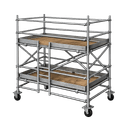
Temporary Structures
Covers scaffolding, fencing, and temporary buildings.

Soft Costs
Covers additional expenses from construction delays due to covered losses.

Equipment Coverage
Covers permanently installed fixtures and equipment.
What Makes Dover Different
Completed value is where the buying calculus shifts. In a market where local home values can push owners and small developers to anchor on purchase price, land basis, or a narrow construction budget, it is easy to miss the amount it would take to replace labor and materials already put in place. A shortfall after a covered loss can result, especially once change orders, site prep already performed, and materials waiting to be installed are added back into the file. That gap falls on you, not the insurer, and it can stall a job mid-frame.
Dover also sits inside Kent County, where there are 4,717 business establishments. With that many active firms, even a modest renovation can pull in three or four vendors whose schedules do not always align. Even smaller projects can involve multiple vendors, specialty trades, and delivery handoffs that increase the number of moments when property is offloaded, stored, or left awaiting the next phase. Build your submission around the actual flow of the job: where materials sit, who has care, custody, or control at each stage, and whether the limit still works after mid-project scope changes.
Our Recommendation for Dover
Start with the completed value worksheet, not the loan amount. For a local home build or substantial renovation, ask your agent to test the limit against current labor and material assumptions. Then check whether foundations, temporary works, and owner-furnished materials are being counted the same way your contract counts them.
From there, trace the job's handoffs from delivery to installation. Kent County's business mix includes professional, scientific, and technical services at 14.1% of establishments, retail trade at 13.8%, and health care and social assistance at 12%. In practical terms, that mix drives a high concentration of tenant build-outs and interior finish work where fixtures and equipment often arrive weeks before installation. Projects here often involve tenant improvements, office build-outs, and service-oriented occupancies where schedules, stored equipment, and phased turnover matter. Ask specifically how the policy responds if materials are delivered early, if one area is occupied before the rest, or if a subcontractor's delay leaves property exposed longer than planned. If you are comparing quotes, request the same limit basis, deductible, and covered property assumptions on each option so the comparison is usable.
Get Builders Risk Insurance in Dover
Enter your ZIP code to compare builders risk insurance rates from carriers in Dover, DE.
Business insurance starting at $25/mo
FAQ
Frequently Asked Questions
Dover buyers usually start with completed value, not just the land price or loan balance. Review whether your limit reflects the full rebuild cost of labor, materials, and approved change orders already tied to the job.
Dover households report median income of $58,336, so deductible decisions often come down to cash flow during a delay. A lower upfront price can look attractive, but you should test whether you could actually fund that deductible and keep the project moving.
Kent County has 4,717 business establishments, which means even modest projects can involve several suppliers and specialty trades. That makes it worth asking where materials are stored, who is responsible at delivery, and whether your policy follows property through those handoffs.
Kent County's establishment mix leans toward professional services, retail, and health care related businesses, at 14.1%, 13.8%, and 12% respectively. For a Dover renovation, that often means checking phased occupancy, interior finish values, and whether equipment or fixtures arrive before installation.
Delaware builders risk insurance is regulated through the Delaware Department of Insurance. That is the place to verify producer licensing, review complaint resources, and confirm you are dealing with a properly regulated insurance transaction before you bind coverage.
Delaware coastal projects often need closer review of water, wind, temporary openings, and material storage conditions. The policy may respond differently depending on the cause of loss and the stage of construction, so site conditions should be explained clearly during quoting.
Delaware renovation projects often require more careful wording review than ground-up jobs because existing structures, occupants, and ongoing operations can create overlapping property exposures. You should confirm exactly what new work is intended to be insured and what stays elsewhere.
Delaware construction lenders often expect evidence that the project is insured before funds continue to move. The practical step is to compare the lender requirements with the contract so insured parties, valuation, and effective dates line up before closing.
Sources
- 1.U.S. Census Bureau, ACS 5-Year Estimates, table B19013(Dover median household income is $58,336.)
- 2.U.S. Census Bureau, County Business Patterns, Kent County(Kent County has 4,717 business establishments.; Kent County's leading sectors by establishment share are professional, scientific, and technical services 14.1%, retail trade 13.8%, and health care and social assistance 12%.)
Updated July 16, 2026