







































Updated July 5, 2026

Commercial Truck Insurance in Dover
Property managers, lenders, warehouse operators, and prime contractors here often ask for current certificates before a truck enters a yard, starts recurring deliveries, or is added to a subcontractor list. For you, satisfying that request locally usually means matching the named insured, vehicle schedule, and liability limits to the contract so a certificate does not create questions later. That is where commercial truck insurance in Dover becomes a practical buying issue, not just a compliance task. You may be running retail delivery routes, service calls, medical supply stops, or contractor hauling across Kent County in the same week, and each use changes what an underwriter needs to see. Kent County has 4,717 business establishments, so there are a lot of local counterparties that may want proof of coverage before they hand over dock access, a vendor agreement, or a work order. Bring your vehicle list, radius, garaging address, driver details, and any trailer information to quote review, then ask for certificates and additional insured wording to be checked against your actual contracts.
Commercial Truck Insurance Risk Factors in Dover
Dover's top risk factors include Flooding, Hurricane damage, Coastal storm surge, and Wind damage.
Delaware has a moderate climate risk rating. Top hazards: Hurricane (High), Flooding (High), Coastal Erosion (Moderate), Severe Storm (Moderate). The state's expected annual loss from natural hazards is $180M, which influences commercial truck insurance premiums and may affect coverage availability in high-risk areas.
What Commercial Truck Insurance Covers
Trucking coverage is usually built in layers, because the state's commercial auto minimums are not the same thing as trucking liability needs. For freight carriers, motor carrier liability is the core protection, and federal minimums for general freight often sit well above state auto requirements, with higher limits often needed for certain loads. Cargo insurance can protect the freight you are moving if it is stolen, damaged, or lost in transit, but the terms depend on the type of cargo and the policy wording.
Physical damage coverage can help with repair or replacement after a collision, theft, or other covered loss, which is especially relevant for equipment moving through dense traffic and storm-prone areas. Trailer interchange coverage matters if you use non-owned trailers under interchange agreements. Bobtail coverage and non-trucking liability are common for owner-operators, but they apply to different situations, so the policy language should match when the truck is under dispatch versus when it is not. Delaware-specific exclusions and endorsements vary by carrier, so a quote should be reviewed line by line before binding.
Coverage Included

Motor Carrier Liability
Can help cover injuries and property damage your truck causes to others, a coverage federal regulators require most for-hire carriers to maintain.
Physical Damage
Can help pay to repair or replace your own truck after an accident, fire, theft, or vandalism.
Cargo Coverage
May pay for damage to or theft of the freight you are hauling while it is in your care.
Trailer Interchange
Can help cover damage to trailers you haul under an interchange agreement but do not own.
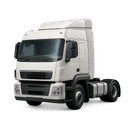
Bobtail Coverage
May provide liability protection when you drive your tractor without a trailer attached, such as after dropping off a load.

Non-Trucking Liability
Can help cover accidents that happen when you use your truck for personal errands rather than dispatched work.
Commercial Truck Insurance Cost in Dover
Average Cost in Delaware
$370 - $1,025
per month
Businesses in Delaware typically see commercial truck insurance premiums of $370 - $1,025 per month, which tends to run 9% below the national range of $400 - $1,125 per month.
- Radius of operation
- Commodities hauled and cargo value
- Number and value of power units
- Driver motor vehicle records and CDL experience
- DOT safety record, inspections, and FMCSA scores
- Liability limits and physical damage deductibles
Contact CPK Insurance for a personalized quote.
Prices shown are general estimates, not guaranteed rates or quotes. Your actual premium will depend on the insurer, coverage selected, business details, location, claims history, and other underwriting factors. Learn about our pricing methodology.
Your cost depends on several local factors: coverage limits and deductibles, claims history, location, industry or risk profile, and policy endorsements. Delaware's risk profile matters because the state has high hurricane and flooding exposure, moderate severe storm risk, and a history of major disaster declarations. Those conditions can influence physical damage pricing, especially for fleets that park near coastal or low-lying areas. Traffic and loss trends also affect pricing: Delaware's fatal crash rate is slightly above the national average, which can translate into higher liability premiums because carriers price for the increased risk of severe accidents.
Cargo-heavy operations, long-haul routes, and higher limits for motor carrier liability usually cost more than basic local-haul policies. Your quote can also vary significantly by carrier, vehicle class, and endorsements.
Industries & Insurance Needs in Dover
Kent County's business mix changes how many truck accounts are really delivery and service accounts rather than long-haul freight only. Professional, scientific, and technical services make up 14.1% of county establishments, retail trade 13.8%, and health care and social assistance 12%, so local trucking demand often includes scheduled deliveries, service-body vehicles, pharmacy or medical supply runs, and contractor support work tied to appointment windows. That matters because your quote should separate occasional hauling from daily stop-and-go operations, loading and unloading expectations, and whether drivers leave vehicles at customer sites. If your trucks support retail replenishment or health-related deliveries, ask your agent to review route density, time-sensitive cargo, hired and non-owned auto exposure, and whether your policy setup matches how dispatch actually works on weekdays.
What Makes Dover Different
Certificate-driven contracting is the main thing that changes the buying calculus here. In a market anchored by county-level service, retail, and care-related businesses, many truck operators are not just moving freight from terminal to terminal. They are entering apartment communities, medical offices, retail back lots, municipal-style facilities, and contractor-controlled job sites where access depends on clean paperwork. That means the practical risk is not only a crash loss. It is also a delayed start because the certificate holder, additional insured request, or vehicle description does not line up with the agreement you signed. Dover buyers usually benefit from treating insurance review as part of contract review. Before you bind, compare your declarations, covered auto symbols, trailer schedule, and certificate requirements against the jobs you already have booked. If a customer requires specific wording, get that reviewed before the first delivery window is missed.
Our Recommendation for Dover
Start with the work pattern, not the truck type. If you run local delivery, contractor support, or recurring service routes, map your normal radius, parking location, trailer use, and who loads the vehicle. Then review whether every driver who may take a unit is disclosed the same way your business actually operates. Dover's median household income is $58,336, so missed deliveries, downtime, and out-of-pocket repairs can put real pressure on a small business owner's cash flow even when the operation looks modest on paper. That is a good reason to ask for quote options that show how deductibles, physical damage choices, and liability limits change the monthly cost. If you work under contracts, request a sample certificate before binding and confirm the named insured matches invoices and agreements. If you use personal vehicles for errands or backup runs, ask whether hired and non-owned auto should be reviewed as part of the package.
Get Commercial Truck Insurance in Dover
Enter your ZIP code to compare commercial truck insurance rates from carriers in Dover, DE.
Business insurance starting at $25/mo
FAQ
Frequently Asked Questions
Dover buyers usually need certificates that match the named insured, vehicle schedule, and contract wording. With 4,717 business establishments in Kent County, many local customers use vendor onboarding, so ask for certificate details to be reviewed against each agreement before dispatch.
Dover operations can be viewed differently when the work is frequent stop-and-go delivery, contractor support, or scheduled service calls instead of mostly highway mileage. Bring your route radius, garaging address, driver list, and trailer use so the quote matches daily operations.
Kent County matters because establishment share is led by professional services at 14.1%, retail at 13.8%, and health care and social assistance at 12%. That mix points to recurring delivery and service exposures, so your policy should be reviewed for route density and customer-site activity.
Dover owner-operators should usually ask before binding, especially when a property manager, contractor, or warehouse requires specific wording. A quote is easier to fix before the policy starts than after a delivery is delayed by certificate holder or additional insured issues.
Dover small fleets should bring the vehicle list, VINs, garaging address, driver information, loss history, trailer details, and any customer insurance requirements. If you use backup personal vehicles or subcontracted drivers, mention that early so the structure can be reviewed.
Your policy can include several layers of protection. Motor carrier liability is the core, and physical damage can help with repairs after a collision or theft. Cargo coverage protects the freight you are hauling. If you use non-owned trailers, trailer interchange applies. Bobtail coverage and non-trucking liability address different situations when the truck is not under dispatch. The right mix depends on whether you run local, regional, or long-haul work.
Delaware commercial auto minimums are $25,000/$50,000/$10,000, but freight carriers may also need to meet federal liability expectations, including at least $750,000 for general freight.
Your final cost depends on limits, deductibles, claims history, location, and endorsements.
Sources
- 1.U.S. Census Bureau, County Business Patterns, Kent County(Kent County has 4,717 business establishments, so there are a lot of local counterparties that may want proof of coverage before they hand over dock access, a vendor agreement, or a work order.; Professional, scientific, and technical services make up 14.1% of county establishments, retail trade 13.8%, and health care and social assistance 12%, so local trucking demand often includes scheduled deliveries, service-body vehicles, pharmacy or medical supply runs, and contractor support work tied to appointment windows.)
- 2.U.S. Census Bureau, ACS 5-Year Estimates, table B19013(Dover's median household income is $58,336, so missed deliveries, downtime, and out-of-pocket repairs can put real pressure on a small business owner's cash flow even when the operation looks modest on paper.)
Updated July 5, 2026





