Updated July 5, 2026

Dealer Open Lot Insurance in Dover
A smaller market changes how you shop this coverage. You usually have fewer local underwriting appetites to work with, and that makes clean submissions, current inventory schedules, and fast proof requests matter more than they might in a larger metro. If you are comparing dealer open lot insurance in Dover, the practical question is not just price. It is whether the carrier is comfortable with how your units are stored, how often inventory turns, and whether vehicles ever sit at a secondary address, service area, or overflow lot.
That local dynamic also affects how quickly a lender, landlord, or auction partner can move once they ask for evidence of coverage. In a tighter business community, people tend to expect documents that match the way your operation actually runs, including where vehicles are kept after hours and who has custody during transport or reconditioning. Kent County has 4,717 business establishments, so proof expectations often travel through a dense local network of vendors, property owners, and finance relationships. Before you request quotes, line up your peak inventory values, every storage address, and any seasonal changes in unit count so the policy review starts from the real exposure.
Dealer Open Lot Insurance Risk Factors in Dover
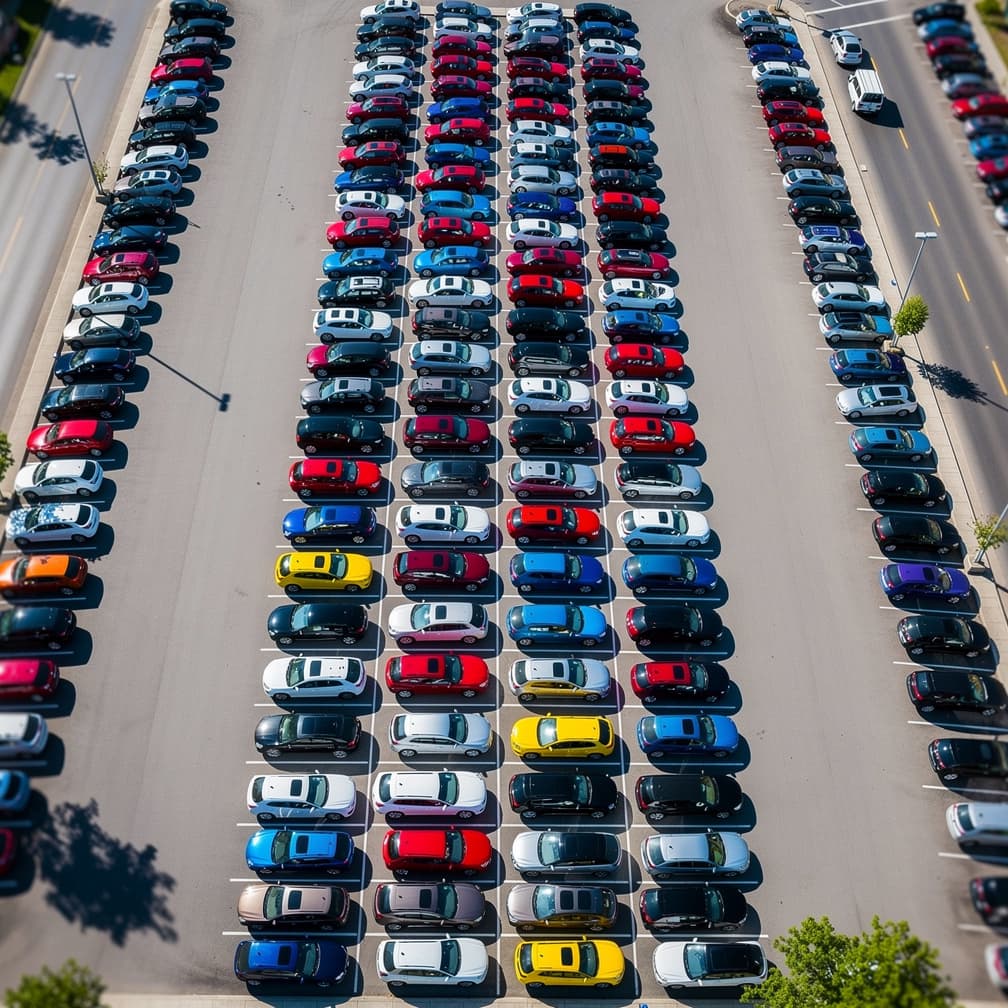
Local lot exposure here is less about a unique city-only peril and more about concentration and storage discipline. Vehicles can sit outside for long stretches, move between your main lot and overflow space, or wait on title, service, detailing, or transport. That means your review should focus on where units are parked overnight, how keys are controlled, whether fencing and lighting are consistent across every address, and how quickly inventory values are updated after purchases or sales. Delaware's broader weather pattern still matters, but the city layer is operational: a smaller market can tempt dealers to use informal overflow arrangements or mixed-use storage that never makes it onto the application. That is where coverage disputes can start. If any unit is stored away from the primary lot, ask for those locations to be scheduled correctly and confirm how transit, temporary storage, and catastrophe deductibles apply before inventory builds up.
Delaware has a moderate climate risk rating. Top hazards: Hurricane (High), Flooding (High), Coastal Erosion (Moderate), Severe Storm (Moderate). The state's expected annual loss from natural hazards is $180M, which influences dealer open lot insurance premiums and may affect coverage availability in high-risk areas.
What Dealer Open Lot Insurance Covers
A policy review should focus on the way vehicles are stored across your primary lot, any overflow area, service or reconditioning space, and any location used after auction purchases arrive. If a unit spends time somewhere other than the address on the application, ask how that location is treated before you assume it is included.
Weather deserves close attention in this state because lot layout can change the severity of a loss. You should review whether low spots on the property collect water, whether perimeter fencing leaves vehicles exposed to wind-driven debris, and whether high-value units are concentrated in the most vulnerable rows. Those operational details matter because a claim is easier to defend when your storage pattern is documented and consistent with the application. If your records do not match your actual lot setup, the insurer may delay your payout or deny the claim entirely.
If employees regularly reposition vehicles between lots, take units to detail or repair, or stage inventory offsite during crowded buying periods, ask where coverage may stop and where another policy may need to respond. The same applies if your dealership uses temporary storage while making room for new arrivals.
Delaware buyers should also pay attention to documentation. If you need to verify licensing, complaint resources, or consumer guidance while comparing policies, check the state's insurance regulator. Before you bind, ask for the scheduled locations, how losses are valued, and your deductible structure, along with any exclusions tied to unattended vehicles, keys, storm conditions, or off-premises storage in writing.
Coverage Included

Weather Damage
Covers hail, wind, flood, and storm damage to lot inventory.
Theft Protection
Covers vehicles stolen from your lot.
Fire Damage
Covers fire and explosion damage to inventory vehicles.

Vandalism
Covers intentional damage to vehicles on your lot.
Test Drive Coverage
Covers vehicles during customer and employee test drives.
Transit Coverage
Covers vehicles being moved between lot locations.
Industries & Insurance Needs in Dover
County business mix changes who asks you for paperwork and how fast they expect it. In Kent County, the leading establishment shares are professional, scientific, and technical services at 14.1%, retail trade at 13.8%, and health care and social assistance at 12%. That does not change the basic purpose of dealer open lot coverage, but it does shape the local transaction environment.
A market with a meaningful retail base and a large professional-services presence tends to run on documented processes, scheduled closings, and vendor compliance. So if you lease space, use outside service providers, buy from auctions, or work with finance sources, you should expect requests for current certificates, named interests where appropriate, and inventory values that reconcile to your actual stock. The practical move is to keep a quote-ready file with your lot addresses, maximum values, and any offsite storage details so you can answer those requests without slowing a deal.
What Makes Dover Different
Smaller-market scrutiny is what changes the calculus here. In a place like this, you are not usually navigating a huge field of carrier options or anonymous counterparties. You are working in a tighter circle where lenders, landlords, vendors, and auction contacts often expect fast, accurate proof and notice when an address, inventory figure, or storage practice does not line up.
That matters because dealer open lot coverage is sensitive to how and where vehicles are actually held. Dover's median household income is $58,336, which can translate into a practical need for some dealers to carry a mix of lower-priced units, hold inventory a bit longer, or rely on overflow arrangements while waiting for the right buyer. If that is how your operation runs, your policy review should test peak values, aging inventory, and every place units can sit, not just the main sales lot. The better your submission matches daily operations, the easier it is to get terms that fit the real exposure.
Our Recommendation for Dover
Start with your storage map, not your current declarations page. List every place a vehicle can be parked, even temporarily, including overflow areas, service locations, and any address used after hours. Then match that map to your highest likely inventory value, not just your average month, because underreporting concentration is where problems tend to surface.
Next, tighten your documentation. Keep a current inventory report, purchase and sale timing, security details for each location, and a short explanation of how units move between addresses. In a smaller local market, that kind of organized submission can matter as much as the premium discussion because it helps an underwriter understand the risk without guessing.
If you lease property or rely on floor plan financing, ask in advance what proof format they want and whether they need specific interests shown. If your operation changes seasonally, request a review before inventory builds, not after, so limits and locations can be updated while you still have options.
Get Dealer Open Lot Insurance in Dover
Enter your ZIP code to compare dealer open lot insurance rates from carriers in Dover, DE.
Business insurance starting at $25/mo
FAQ
Frequently Asked Questions
Dover buyers should start with a current inventory schedule, peak lot values, every storage address, and basic security details for each location. In a smaller market, clean documentation helps carriers evaluate the risk faster and reduces back-and-forth over where vehicles are actually kept.
Kent County has 4,717 business establishments, so local dealers often work inside a dense network of landlords, vendors, and finance contacts. That makes it smart to keep certificates, location details, and inventory values ready before a transaction depends on them.
Dover dealers should disclose any offsite or overflow storage used for inventory, even if vehicles are parked there only part of the time. The key issue is whether the policy reflects where units are actually stored when a loss happens.
Kent County's leading sectors include professional, scientific, and technical services at 14.1%, retail trade at 13.8%, and health care and social assistance at 12%. That kind of market often runs on documented vendor requirements, so organized proof of coverage becomes more important.
Delaware policyholders can direct complaint questions to the Delaware Department of Insurance. For a dealership, it is still better to resolve address, value, and storage-location issues before binding, because those details are easier to fix during the quote review.
Yes, you typically need to list offsite storage lots on your policy. In Delaware, a policy may not extend coverage to secondary locations automatically. If you keep inventory at another address and do not schedule it, a loss there could be denied. Ask for that location to be shown clearly in the quote and final policy.
Delaware regulates insurance through the Delaware Department of Insurance. If you want to verify regulator information while comparing policies, use that agency's consumer resources, then focus your purchase decision on scheduled locations, valuation, deductibles, and exclusions.
Delaware weather can change how you evaluate lot layout, drainage, and where higher-value units are parked. If storm-related water damages vehicles parked in a known low-lying area, an insurer may dispute the claim if you were aware of the drainage issue and did not move the inventory. Ask your agent how storm-related losses, temporary vehicle moves, and storage at multiple addresses are handled.
Sources
- 1.U.S. Census Bureau, County Business Patterns, Kent County(Kent County has 4,717 business establishments, so proof expectations often travel through a dense local network of vendors, property owners, and finance relationships.; In Kent County, the leading establishment shares are professional, scientific, and technical services at 14.1%, retail trade at 13.8%, and health care and social assistance at 12%.)
- 2.U.S. Census Bureau, ACS 5-Year Estimates, table B19013(Dover's median household income is $58,336, which can translate into a practical need for some dealers to carry a mix of lower-priced units, hold inventory a bit longer, or rely on overflow arrangements while waiting for the right buyer.)
- 3.Delaware Department of Insurance(Delaware policyholders can direct complaint questions to the Delaware Department of Insurance.)
Updated July 5, 2026