Updated July 16, 2026

Homeowners Insurance in Dover
Right before closing on a house near downtown, or when you finally replace an older roof, the insurance decision gets specific fast. Your policy works best when it is built around the house you actually own, not a generic Delaware profile. Here, that often means checking whether your dwelling limit still matches local replacement expectations, whether detached structures are scheduled realistically, and whether your deductible still fits your cash reserves if a claim lands at the wrong time. Dover's median home value is $248,500, meaning a standard policy might not fully fund a rebuild if construction costs spike. Put differently, a 15 percent jump in material costs could leave you tens of thousands short of what you need to finish the job. The city's household income profile also makes it sensible to pressure-test how much out-of-pocket loss your budget can absorb before you choose a higher deductible. If you are buying, renovating, or remarketing a home, ask for a quote that itemizes each coverage section, then compare those limits against the way you live in the property now.
Delaware has a moderate climate risk rating. Top hazards: Hurricane (High), Flooding (High), Coastal Erosion (Moderate), Severe Storm (Moderate). The state's expected annual loss from natural hazards is $180M, which influences homeowners insurance premiums and may affect coverage availability in high-risk areas.
What Homeowners Insurance Covers
A standard Delaware homeowners policy is built around four core protections. Dwelling coverage can help pay to repair or rebuild the physical structure, while personal property coverage helps replace your belongings. Liability coverage can respond if someone is injured on your property, and additional living expenses coverage may help with temporary housing and related costs if a covered loss forces you out while repairs are completed. Other structures coverage can also matter for detached garages, sheds, or fences, and medical payments coverage may help with smaller injury claims on the property.
Delaware-specific exclusions and endorsements deserve close attention. Standard policies exclude flood damage, so homes in flood-prone areas near the coast or in low-lying neighborhoods may need separate flood coverage through the National Flood Insurance Program or a private insurer. Wind and hurricane deductibles may apply separately in coastal areas, so the amount you pay after a storm can differ from your standard deductible. Delaware carries a moderate overall risk rating with high hurricane and flooding exposure, which means the coverage limit you choose should match local reconstruction costs rather than your home's market value. Policy language and available endorsements can vary by carrier, but the core protections above are the foundation for most policies.
Coverage Included

Dwelling
Repairs or rebuilds your home itself, the walls, roof, floors, built-in appliances, and attached structures like a garage, after a covered loss. Set this limit to the full cost of rebuilding, not market value.
Other Structures
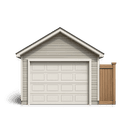
Detached structures on your property, such as a fence, shed, detached garage, or gazebo. Usually set at about 10 percent of your dwelling limit [2].

Personal Property
Your belongings, furniture, clothing, electronics, and appliances, generally written at 50 to 70 percent of your dwelling limit [2]. High-value items like jewelry and art carry special limits.

Additional Living Expenses
Also called loss of use. Pays your added living costs, hotel stays, meals, and a temporary rental, while a covered loss makes your home uninhabitable. Usually set at about 20 percent of your dwelling limit.

Liability
Covers you if someone is injured on your property, or you damage someone else's property, and you are found responsible. The standard $100,000 limit [2] is often raised to $300,000 or $500,000.

Medical Payments
Pays small medical bills, commonly $1,000 to $5,000, if a guest is hurt at your home regardless of fault, without a formal liability claim.
Homeowners Insurance Cost in Dover
Average Cost in Delaware
$80 - $220
per month
In Delaware, homeowners insurance premiums typically run $80 - $220 per month, which tends to run 17% below the national range of $110 - $250 per month.
- Home replacement cost, age, and construction type
- Roof age, material, and condition
- ZIP code and local weather risk (wind, hail, wildfire, hurricane)
- Coverage limits and endorsements
- All-peril and percentage wind/hail deductibles
- Claims history and insurance score where allowed
Typical range for many standard homeowners profiles; lower-risk homes fall below it and coastal, wildfire, or older-roof homes can run well above. Final pricing depends on property details, location, underwriting, and selected coverage.
Prices shown are general estimates, not guaranteed rates or quotes. Your actual premium will depend on the insurer, coverage selected, personal details, location, claims history, and other underwriting factors. Learn about our pricing methodology.
Homeowners insurance cost in Delaware is shaped by a mix of statewide pricing pressure and property-specific risk. Delaware's premium index is 115, which means pricing runs about 15 percent above the national average across the market. In practical terms, that means you should budget a bit more than you might expect in other states, and it makes comparing quotes even more worthwhile. Your individual quote depends on home characteristics, coverage choices, deductibles, and endorsements. Local construction costs and labor rates have a high impact on dwelling coverage, and proximity to fire stations and hydrants can also influence pricing.
Homes in coastal areas may face separate wind or hurricane deductibles, and flood exposure can affect how much additional protection you need beyond the base policy. Delaware's high hazard profile for hurricanes and flooding can make insurers more careful about risk selection. That translates into stricter underwriting for homes in affected zones, which means more questions and potentially higher premiums for properties in those areas. At the same time, the state has a broad field of active insurers competing for business, so you have room to compare quotes from multiple carriers.
What Affects Homeowners Insurance Rates in Dover
Dover's local cost conversation is less about a separate city pricing rule and more about budget tolerance versus property value. The coverage decision usually turns on whether your dwelling limit and endorsements are keeping pace with what it would take to repair or rebuild the house you own, not just what you paid for it. At the same time, the city's median household income is $58,336, so deductible choices deserve a hard look before renewal. A higher deductible can reduce premium, but it also means you need enough liquidity to handle a sudden roof, water, or liability claim without delaying repairs. If your payment feels tight, review deductible options alongside loss of use and personal property limits instead of cutting core structure coverage first. That comparison usually gives you a cleaner way to control premium without creating a bigger gap after a covered loss.
What Makes Dover Different
What shifts the math here is the gap between what a serious claim costs and what a tight monthly budget can absorb. Deductible selection, ordinance-related upgrades after a loss, and realistic personal property limits matter more than broad shopping by price alone. If you own an older house, have a detached garage or shed, or have made improvements over time, ask your agent to walk through the replacement side of the policy in plain language. Then decide where to save money, on deductible structure or optional endorsements, without hollowing out the parts of the policy that matter most after damage.
Our Recommendation for Dover
Start with the house file, not the premium. Pull your latest mortgage statement, any recent contractor invoices, and a rough inventory of higher-value belongings, then ask for a fresh coverage review based on those details. Make sure features like detached structures, updated finishes, or a finished basement are reflected accurately in your coverage amounts. Kent County has 4,717 business establishments, which translates to steady foot traffic from service providers, deliveries, and contractors at homes throughout the area. That means personal liability and medical payments limits are worth reviewing before a project starts at your property. If you work from home or store business equipment there, raise that early so you can see whether standard limits are enough. Then request a quote built around the property as it stands today.
Get Homeowners Insurance in Dover
Enter your ZIP code to compare homeowners insurance rates from carriers in Dover, DE.
Home insurance starting at $50/mo
FAQ
Frequently Asked Questions
Dover buyers should review dwelling coverage against rebuilding exposure, not just the contract price. Before you close, confirm that your structure limit, detached structures limit, and deductible work together without leaving a gap.
Dover households often need to balance premium against cash flow. With median household income at $58,336, choosing a higher deductible to save on premium could strain your finances if you actually need to file a claim. In practical terms, a $2,500 deductible that looked manageable on paper can force you onto a credit card if a pipe bursts in January.
Kent County homeowners often have regular visits from trades, deliveries, and service providers. The county has 4,717 business establishments, so the odds of someone being injured on your property are higher than you might assume. A single slip-and-fall claim from a delivery driver can run well into five figures once medical bills and lost wages enter the picture.
Dover homeowners should bring up home office use early in the quote process. In the county, professional, scientific, and technical services account for 14.1% of establishments, so a standard policy may fall short if your home setup resembles a small office. A laptop and client files may not raise eyebrows, but inventory stored in your garage or regular client visits can change what your policy needs to address.
Kent County's business mix includes professional, scientific, and technical services at 14.1%, retail trade at 13.8%, and health care and social assistance at 12%. If your home doubles as a work base, ask how that changes property or liability limits. The takeaway is that running any kind of business from home, even part time, can create gaps your standard policy was never designed to fill.
In Delaware, a standard policy can help cover dwelling damage, personal property, liability claims, additional living expenses, and often other structures and medical payments. Flood damage is excluded and may require separate coverage through NFIP or a private insurer.
The broader market range runs from about $80 to $220 per month, depending on the home, location, deductibles, and endorsements. Your actual quote may fall outside that range based on your specific risk profile and coverage choices.
Mortgage lenders usually require an active homeowners policy before closing, even though the state does not legally require homeowners insurance for every owner. The lender may also set minimum dwelling coverage limits based on the loan amount.
Sources
- 1.U.S. Census Bureau, ACS 5-Year Estimates, table B25077(Dover's median home value is $248,500, so underinsuring the structure to trim premium can leave a meaningful gap if repairs run higher than expected.)
- 2.U.S. Census Bureau, ACS 5-Year Estimates, table B19013(At the same time, the city's median household income is $58,336, so deductible choices deserve a hard look before renewal.)
- 3.U.S. Census Bureau, County Business Patterns, Kent County(Because Kent County has 4,717 business establishments, homeowners here also have regular foot traffic from service providers, deliveries, and contractors, so personal liability and medical payments limits are worth reviewing before a project starts at your property.; In the county, professional, scientific, and technical services account for 14.1% of establishments, so local work-from-home setups are common enough to justify a careful limits review.)
Updated July 16, 2026