Updated July 16, 2026

Key Takeaways
- List every way customer vehicles enter, move through, and stay on your premises before you request a garage keepers quote.
- Compare collision losses against theft, fire, vandalism, and weather losses so your quote matches your actual custody exposure.
- Ask how customer vehicles are valued after a loss, especially if you handle newer, specialty, or recently upgraded vehicles.
- Review key control, intake photos, lot security, and employee driving rules before renewal to improve both pricing and claim defensibility.
- Request side-by-side quotes with the same limits, deductibles, and storage assumptions so you can spot real coverage differences.
Garage Keepers Insurance in Delaware
Do you need garage keepers insurance in Delaware if customers leave vehicles at your shop, lot, or storage area? In most cases, yes, because once you take possession of a customer's vehicle, you need to review how losses would be handled while it is parked, stored, moved, or waiting for work.
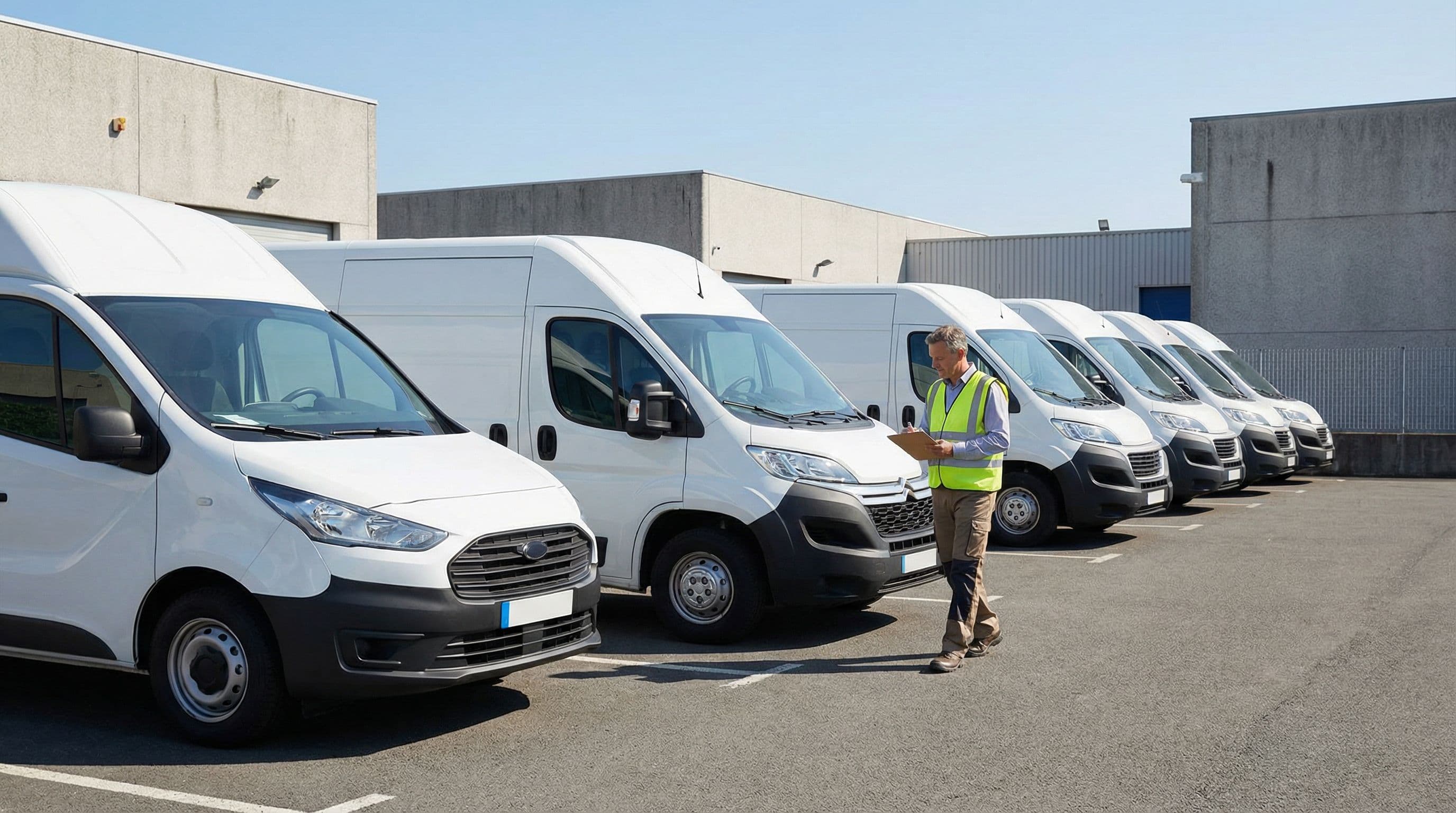
A repair shop with overnight key drops, a detailer holding vehicles over a weekend, or a towing operator staging units before pickup all create different custody patterns. Those details affect what an underwriter needs to see. When you document where customer vehicles sit, who can move them, whether they stay indoors or outdoors, and what happens after hours, you are building a real picture of your operation, not just buying a policy name. Delaware buyers should approach the quote process with a site-specific checklist, because the right review usually starts with your lot layout, storage routine, key control, and written handoff procedures.
What Garage Keepers Insurance Covers
In Delaware, the useful coverage conversation starts with where customer vehicles spend time on your premises and what can happen before, during, and after service. If your operation keeps cars in fenced outdoor rows, inside service bays, in overflow parking, or at a secondary storage area, each setting changes the loss scenarios you should ask an agent to review. Businesses near the shore may face higher wind and hail deductibles or named storm exclusions, while inland shops tend to focus on drainage, roof condition, and how vehicles are repositioned during storms.
You should also look closely at the handoff points that create confusion after a claim. A vehicle dropped off before opening, left for parts delays, or held until an insurer approves repairs may remain in your custody longer than the customer expects. That is where documentation becomes practical, not administrative. Ask how your policy terms respond when a vehicle is waiting on authorization, parked overnight, or moved by an employee between buildings or lots.
For Delaware operations, it also helps to review whether your procedures match the way your business actually runs on busy days. If technicians, porters, tow drivers, or service writers all have access to keys, your controls should be clear and consistent. If you use temporary overflow parking during peak weeks, mention it in the quote process. Line up your coverage review with your real storage conditions, movement patterns, and recordkeeping so fewer gaps appear after a loss.
Collision Coverage
Covers damage to customers' vehicles from collisions while in your care.

Comprehensive Coverage
Covers theft, vandalism, fire, and weather damage to customers' vehicles.
Specified Perils
Covers only specifically named perils at a lower premium.

Legal Liability
Covers damage you or your employees directly cause to a customer's vehicle.

Direct Primary
Pays regardless of fault, the broadest garage keepers coverage available.
Garage Keepers Insurance Requirements in Delaware
- Coastal weather can change where customer vehicles are stored, so outdoor versus indoor parking should be reviewed with your actual storm procedures.
- If your shop uses a secondary lot or overflow area, list that location during quoting rather than assuming the main address tells the whole story.
- After-hours key drops create a distinct custody timeline that should match your written intake and security process.
- Mixed-use commercial properties can create shared access and parking issues, so confirm exactly where customer vehicles are kept overnight.
How Much Does Garage Keepers Insurance Cost in Delaware?
Garage keepers pricing in Delaware usually turns on operational detail, not a simple statewide average. An underwriter may ask how many customer vehicles you hold at one time, how long they stay, whether they are stored inside or outside, and how often employees move them during the day. A shop that keeps a few vehicles overnight in a locked building presents a different profile than a business rotating cars through an open lot, a wash lane, a tow yard, and a pickup area.
Your location setup matters too. If your property has limited indoor storage, uneven pavement, shared access with other tenants, or a lot that can collect water during severe weather, those conditions can affect how the risk is viewed. Delaware businesses near coastal areas may need to explain storm preparation procedures in more detail, while any shop with after-hours drop-off should be ready to describe camera placement, lighting, fencing, and key security. Those are the kinds of facts that help a quote reflect your operation instead of a generic class code.
You can usually get a more usable quote by preparing a short underwriting packet before you apply. Include your maximum vehicle count on site, where high-value vehicles are kept, who is authorized to move customer cars, whether technicians take units on test drives, and what your loss history looks like. Also be ready to discuss deductibles and limits in practical terms. A lower premium can look attractive until you compare it against the value of the vehicles you routinely hold. In Delaware, the better buying move is to price several deductible and limit combinations against your actual lot conditions and overnight storage habits.
Request a Quote Comparison
Enter your ZIP code to compare garage keepers insurance rates from top carriers.
Business insurance starting at $25/mo
Who Needs Garage Keepers Insurance?
Delaware businesses need to review garage keepers exposure whenever customer vehicles stay under their control beyond a quick handoff. That often includes repair facilities, body shops, tire and brake shops, transmission specialists, detailers, towing operators, impound yards, parking operations, and dealerships with service lanes. What connects these operations is the custody relationship itself, since customers leave vehicles with you and expect them returned in the same condition.
Some Delaware operations underestimate the exposure because they do not think of themselves as storage businesses. A quick lube location may still hold vehicles during a backlog. A detail shop may keep cars overnight to finish interior drying or coating cure times. A towing company may stage vehicles for release after normal business hours. A dealership may move units between service, overflow parking, and fenced areas during the same day. Each of those routines creates custody decisions that should be reflected in the quote.
This review also matters for smaller operators. If you run a compact shop with only a few bays, one loss involving a customer vehicle can still disrupt cash flow, customer relationships, and scheduled work. The same is true if you rely on outdoor parking because indoor space is limited. Delaware buyers should think less about business size and more about vehicle responsibility. If your staff parks, stores, secures, transports, or repositions customer vehicles, you should ask for a garage keepers review built around those exact tasks, including after-hours procedures and any secondary lot or yard you use.
Garage Keepers Insurance by City in Delaware
Garage Keepers Insurance rates and coverage options can vary across Delaware. Select your city below for localized information:
How to Buy Garage Keepers Insurance
To buy garage keepers coverage in Delaware, start by building a clear picture of your vehicle flow from drop-off to pickup. Write down where vehicles arrive, where keys are stored, who can move units, whether technicians take units on test drives, and where cars sit overnight. If you use more than one parking area, note which vehicles go where and why.
Next, gather the documents that answer the questions most likely to slow a quote. That usually includes your business details, loss history, estimated vehicle counts, photos of indoor and outdoor storage areas, and a short explanation of security controls such as lighting, cameras, fencing, alarms, and key management. If your Delaware operation is close to coastal weather exposure or uses outdoor overflow parking, say so early and explain how you prepare vehicles and the lot when severe weather is expected.
Then review the quote for fit, not just price. Ask how the policy is written for the way you actually handle customer vehicles, especially if you have after-hours drop-off, tow-ins, delayed pickups, or vehicles waiting on parts approval. Confirm the locations covered, the deductible you would actually be comfortable paying after a loss, and whether your procedures described in the application match daily practice. Delaware buyers usually get the best result when the application is specific, the site photos are current, and the final review focuses on real custody situations instead of broad assumptions. Request a quote through CPK Insurance to compare your options with participating licensed providers.
How to Save on Garage Keepers Insurance
The most practical way to save on garage keepers insurance in Delaware is to reduce uncertainty in how customer vehicles are handled. Underwriters respond better when your operation is easy to understand and easier to defend after a claim. That means written key control, documented check-in and check-out procedures, clear employee authority for moving vehicles, and a consistent plan for where cars are parked during business hours and overnight.
Physical site improvements can help if they address real loss drivers. Better lighting, working cameras, controlled gate access, marked parking rows, and a documented storm preparation routine can all strengthen your submission when they match your actual exposure. If you store vehicles outdoors, show how you separate customer units from employee cars, how you secure keys, and how you decide which vehicles are moved first when weather threatens. In Delaware, that operational clarity can matter more than trying to trim coverage too aggressively.
You can also save by structuring the quote process carefully. Provide accurate vehicle counts, disclose any secondary lot, and avoid understating overnight storage just to chase a lower number. A policy that is reviewed around incomplete information can create expensive problems later. It is often smarter to compare deductible options, confirm that your limits fit the value of vehicles you usually hold, and ask whether bundling with related business coverages changes the overall account pricing. The goal is a policy you can keep, explain, and use if a customer vehicle loss interrupts your week.
Our Recommendation for Delaware
For Delaware buyers, the strongest garage keepers purchase usually starts with a premises review before you request quotes. Walk the property as if you were documenting a claim today, checking entrance points, camera views, drainage, fencing, lighting, bay doors, key storage, and every place a customer vehicle might sit after hours. Then compare that walkthrough to what you plan to tell the underwriter.
You should also ask whether your application reflects seasonal changes in storage. A lot that works in mild conditions may operate very differently when severe weather is expected, especially if you shift vehicles indoors, stack them in overflow areas, or delay pickups. If your business is near the coast, make storm procedures part of the quote conversation instead of leaving them implied.
If you need to verify licensing, complaint resources, or consumer guidance while comparing options, check the Delaware Department of Insurance before binding coverage. Most important, do not treat garage keepers as a box to check. Review deductibles, locations, and custody routines line by line so your application reflects the same details your staff follows every day.
FAQ
Frequently Asked Questions
If customers leave vehicles on site for service, storage, or pickup later, you likely need this coverage. The right question is how your shop handles custody, overnight parking, keys, and vehicle movement, not just what type of repair work you perform. A clear custody routine helps the underwriter match your policy to your actual daily exposure.
Delaware coastal businesses often need a closer review of outdoor storage, storm preparation, and how vehicles are relocated when weather changes. If your lot setup shifts during severe conditions, your quote should reflect those procedures instead of assuming a fixed storage pattern.
Delaware buyers usually get a better quote by providing photos, vehicle counts, storage details, key control procedures, and any secondary lot information up front. A quote works better when it follows your real drop-off, parking, and pickup routine.
Delaware detail shops should review coverage if customer vehicles remain overnight for drying, curing, scheduling delays, or next-day pickup. Even a small operation can have meaningful custody exposure once vehicles are parked, secured, and left in your control after hours.
Delaware insurance oversight comes from the Delaware Department of Insurance. If you want to verify licensing, review consumer information, or understand complaint resources while comparing policies, start there before you bind coverage.
If customer or stored vehicles remain in your yard, staging area, or release lot for extended periods, you should review this coverage. The quote should match how units are secured, moved, and released.
Delaware garage businesses should describe where vehicles are stored, who moves them, whether technicians take units on test drives, how keys are controlled, and what happens after hours. Those details help the insurer evaluate your actual custody exposure instead of making broad assumptions.
Garage keepers insurance may cover damage to customers' vehicles while they are in your care, custody, or control. That may include collision, theft, fire, vandalism, hail, and other covered causes of loss, depending on your policy terms and how your business handles vehicles.
Sources
- 1.Delaware Department of Insurance(Delaware insurance oversight comes from the Delaware Department of Insurance.)
Updated July 16, 2026